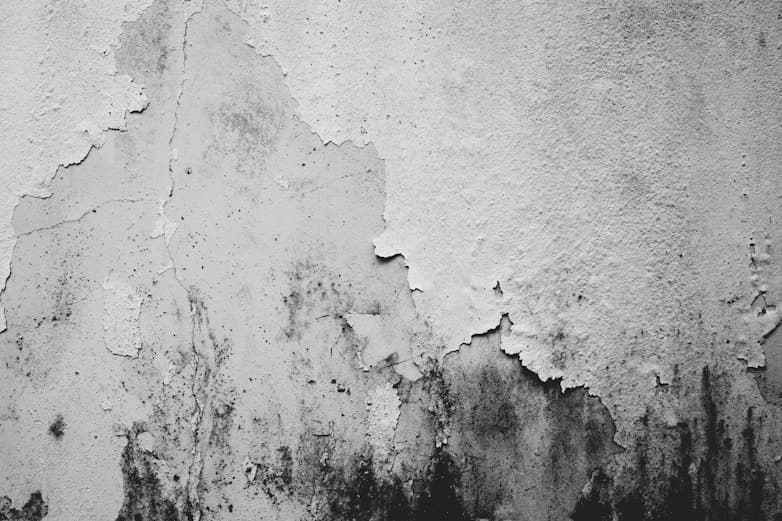
A water heater leak in a Florida garage, closet or attic can soak walls for weeks before anyone notices. The signs, hidden damage and when to test for mold.
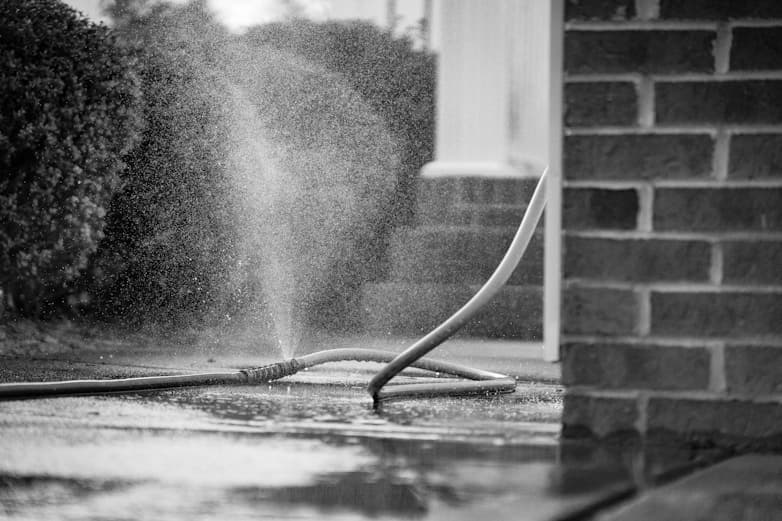
The water heater is the appliance everyone forgets until it fails, and in Florida it is usually installed somewhere nobody looks: a garage corner behind the recycling bins, a hallway closet behind the vacuum, or a platform in the attic. When it leaks, it leaks quietly, and the first sign is often a stain on a ceiling two rooms away.
This post covers how water heater leaks cause damage you cannot see from the appliance itself, which installation locations create which problems and how to decide whether a replacement tank is the end of the story or the beginning of a mold assessment.
The quick answer
A water heater leak is rarely contained to the pan beneath it. Water follows the slab, wicks into adjacent walls and, from attic installations, travels along framing before dripping through a ceiling far from the source. Because the leak is usually discovered late, the surrounding drywall and framing have typically been wet well past 48 hours. Replace the heater, then have the affected area moisture-mapped before assuming it dried on its own.
Where water heaters fail
Tank-style heaters have a service life, and the failure modes are predictable.
- Tank corrosion. The glass lining cracks, the steel rusts through and the tank weeps from the bottom. Usually a slow, steady leak that becomes a steady stream.
- Temperature and pressure relief valve. Drips or discharges when pressure rises. If the discharge line is not routed outside, the water lands on the floor or in the pan.
- Supply and outlet fittings. Corroded nipples, failed flex connectors and loose unions leak from the top and run down the tank into the pan or onto the wall behind it.
- Drain valve. Plastic drain valves crack and drip at the base.
- Pan and drain line. Many Florida installations have a pan with a drain line that is clogged, disconnected or was never connected. The pan overflows and the leak is effectively unpanned.
Tankless units are not immune. Condensate drains, inlet filters and heat exchanger fittings can leak, often onto a wall rather than a floor.
Garage installations: the shared wall problem
The garage is the most common water heater location in Central Florida homes. The slab usually slopes toward the garage door, so a tank leak runs across the floor and away from the house, which sounds reassuring. In practice, the water also spreads sideways along the wall the garage shares with the living space.
That shared wall is drywall over wood framing on a bottom plate sitting directly on the slab. Water wicks into the plate and up the paper backing of the drywall on both sides. On the house side, that wall is often a closet, laundry room or bedroom. Growth shows up on the back of the closet wall or behind the dryer while the garage side looks merely stained.
Stored items make it worse. Cardboard boxes, bags of potting soil and rolled rugs against the garage wall soak up water and hold it there.
Closet installations: no airflow, fast growth
Interior utility closets keep the heater out of the weather but trap humidity. A small leak in a closed closet raises the local humidity enough to support growth on the closet walls, the back of the door and the underside of shelving even before any water pools. Hallway closets often share a wall with a bedroom or bathroom, and the leak path follows the same bottom-plate wicking pattern as a garage.
Signs specific to closet heaters:
- Musty odor when the closet door opens
- Rust stains on the slab or pan
- Soft or discolored drywall behind the tank
- Swollen door casing or baseboards
- Peeling paint low on the adjacent hallway wall
Attic installations: the long-distance leak
Some Florida homes, especially newer ones and those on smaller lots, place the water heater in the attic on a platform. The pan beneath it is supposed to catch leaks and route them outside through a drain line. When the drain is clogged or was never connected, water overflows the pan onto the attic floor.
From there it soaks the ceiling drywall, saturates blown-in insulation and travels along trusses. The stain appears on a ceiling wherever the water finds a low point or a seam, often in a different room from the heater. By the time the stain is visible, the insulation above it has been wet for days or weeks. Wet blown-in insulation compacts and stays wet; it does not dry on its own in a Florida attic.
What hidden damage looks like on instruments
A UES water intrusion and damage assessment does not stop at the stain. Thermal imaging shows where evaporating moisture is cooling the drywall, which usually extends well beyond the visible mark. Pinless meters read through the wall to show how far along the bottom plate the water traveled. Pin meters confirm whether framing is still wet.
| Location checked | Why it matters |
|---|---|
| Garage shared wall, both sides | Most common path into living space |
| Closet or room on the other side of the heater | Growth often appears here first |
| Ceiling below an attic heater, several feet in each direction | Water travels along trusses before dropping |
| Attic insulation around the platform | Holds moisture for weeks |
| Slab under adjacent flooring | Vapor drive into laminate and vinyl plank |
Every reading is compared to a dry reference area in the same house, so the map reflects your building, not a generic number.
When the leak becomes a mold question
If moisture mapping shows elevated readings in drywall or framing, or if there is visible growth or odor, the next step is a comprehensive mold assessment. Air samples from the affected area are compared against outdoor and unaffected indoor samples, suspect surfaces are sampled and everything goes to an independent accredited lab under chain of custody. The written protocol that follows tells a licensed remediator what to remove.
UES is an assessor only. We do not remediate or dry buildings and do not take referral fees, which is why the protocol can be trusted to describe the problem rather than inflate the job.
Prevention that actually works
- Replace the tank before it fails. Ask a plumber for the installation date if you do not know it.
- Confirm the pan has a drain line that goes outside and test it with a cup of water.
- Add a leak sensor with an audible alarm, or one that shuts off the supply valve.
- Keep stored items a foot away from the heater and off the floor against the shared wall.
- Look at the heater monthly. Rust streaks, mineral crust at fittings and a damp pan are early warnings.
- If the heater is in the attic, check the ceiling below it after every long trip away.
When to call UES
Call after a water heater leak when water reached drywall, cabinets or flooring, when a ceiling stain appeared beneath an attic unit, when a closet or garage smells musty, or when you need documentation of the extent for an insurance claim. We serve Orlando, Clermont, Leesburg, The Villages and the entire state of Florida.
Book an assessment online or call (407) 438-4684, Monday through Friday, 9:00 AM to 5:30 PM.
Related reading:
Frequently asked questions
How long does a water heater usually leak before it is noticed?
Tank failures can go unnoticed for days to weeks, especially in garages, utility closets and attics where nobody looks regularly. A slow drip from a fitting or relief valve can run for months. In either case, the surrounding materials have usually been wet far longer than the 24 to 48 hour window where mold can begin.
Is a leaking water heater a mold risk even in a garage?
Yes. Garage walls are typically drywall over wood or block, and the wall shared with the house is often finished on both sides. Water that runs along the garage slab wicks into the bottom of that wall and into closets and rooms on the other side.
Should I test for mold after replacing a leaking water heater?
If there was standing water, stained or swollen drywall, damaged flooring or a musty odor, moisture mapping is worth doing before the area is cleaned up and forgotten. Replacing the tank stops the leak but does nothing about moisture already in the walls.
Worried about what you just read?
An independent UES assessment tells you exactly what is going on, what caused it and what to do next. Book online or call.