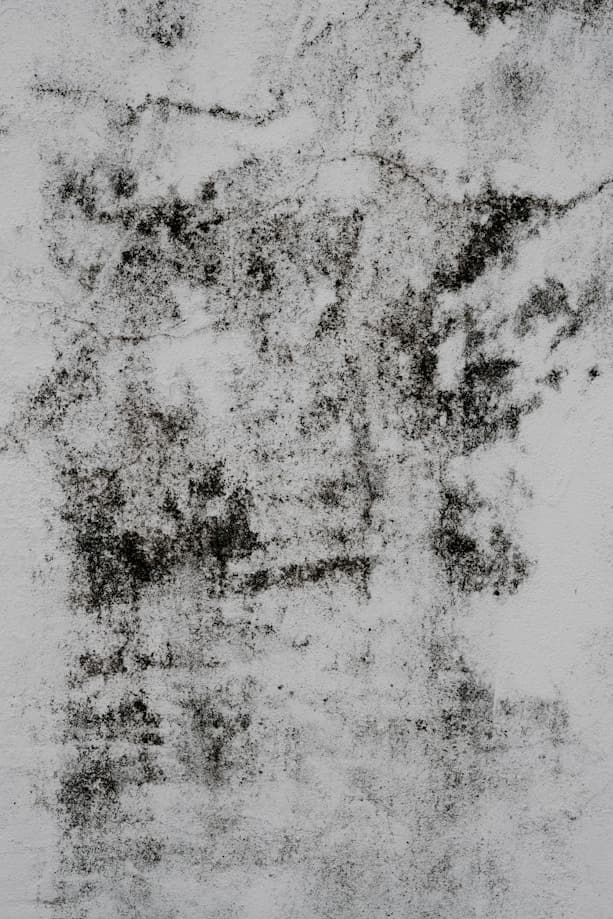
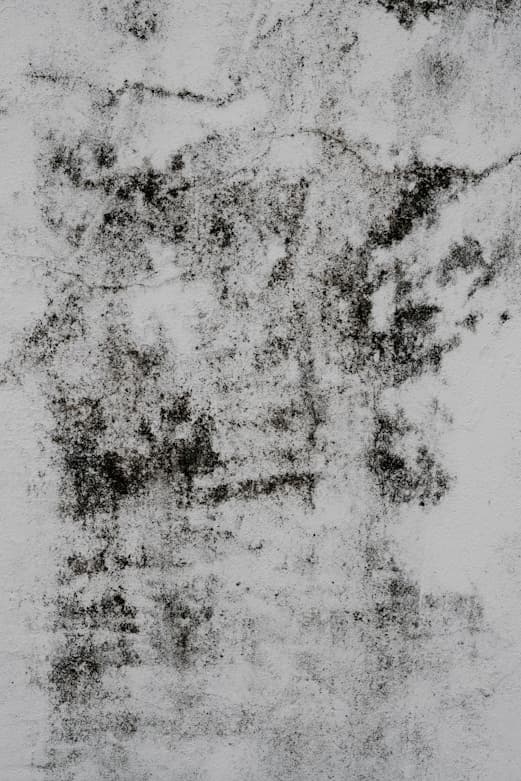
Garage mold is common in Florida because the space is hot, humid and unconditioned. Learn why it grows on walls, ceilings and stored items and what stops it.
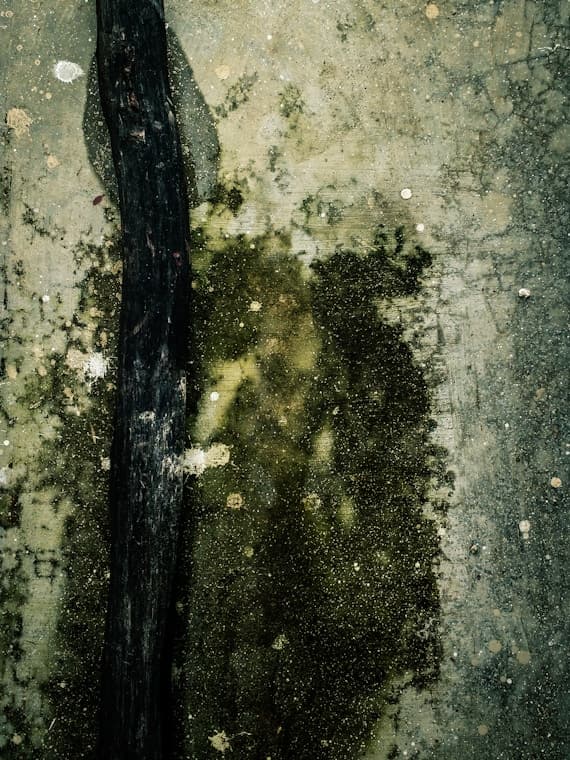
The garage is the one room in a Florida home that gets no air conditioning, sits directly on the slab, has a huge door that opens to the outdoors several times a day, and often houses the water heater, the washer and dryer, and the air handler. It is where cardboard boxes, holiday decorations, tools and furniture go to be forgotten. It is also where a great deal of the mold we find in Central Florida homes is growing.
Why the garage is different
Every other room in the house benefits from the air conditioner, which cools the air and pulls water out of it. The garage does not. It runs at close to outdoor humidity, which in Florida means 70 to 90 percent relative humidity for much of the year, and it heats to well over 100 degrees on summer afternoons. When the sun goes down, the walls and the slab cool, and the moist air in the garage condenses on them.
Several features make it worse:
- The slab is uncoated. Water vapor moves upward through concrete continuously. In the house, flooring and air conditioning deal with it. In the garage, it goes straight into the air and into anything sitting on the floor.
- The walls are bare or painted block. Block is porous and transmits moisture from the outside, especially the wall that faces prevailing afternoon storms and the wall hit by irrigation.
- The ceiling is cold from above. If there is a bonus room overhead, or the attic above the garage is full of supply ducts, the ceiling drywall is chilled from behind. The hot, humid garage air condenses on it. This produces the classic speckled garage ceiling.
- Moisture sources live there. The water heater, washing machine, utility sink, and the air handler with its drain pan and condensate line are all potential leaks. A dryer vented poorly adds a load of warm, wet air.
- Cars bring water in. A car that drove through an afternoon downpour drips for an hour and evaporates a surprising amount of water into the closed garage.
What grows and where
| Location | Typical appearance | Usual cause |
|---|---|---|
| Ceiling drywall | Scattered black or green specks, heavier near the house wall | Condensation from cooled ceiling above |
| Lower exterior walls | White fuzz, dark spots, or chalky deposits | Block moisture, slab wicking, efflorescence mixed with mold |
| Cardboard boxes and paper | White, green or gray powdery growth | Humidity absorbed by cardboard |
| Wood shelving and workbenches | Gray-green film, especially on undersides | High humidity, poor air movement |
| Around the water heater or washer | Dark staining on drywall and the slab | Leaks and condensation |
| Air handler closet or cabinet | Growth on the cabinet interior, insulation and filter housing | Condensate leaks, cabinet sweating |
| Fabric, upholstered furniture, car seats | Musty odor, white bloom | Humidity |
The dominant genera in garages are Aspergillus and Penicillium on stored goods and Cladosporium on painted surfaces and ceilings. White chalky deposits on bare block are often efflorescence, a mineral salt, rather than mold, but the two frequently appear together.
How garage mold reaches the house
Homeowners sometimes dismiss garage mold because the garage is "outside." It is not, from the air's point of view. The door into the house opens constantly. The air handler, if it sits in the garage, pulls in garage air through any gap in the cabinet, the filter slot or the return plenum, and sends it to every room. The shared wall and ceiling have penetrations for plumbing, wiring and ducts that are rarely sealed. When indoor air samples show garage genera at elevated levels in the room nearest the garage, the connection is clear.
What an assessment covers
A comprehensive mold assessment of a garage problem looks at the garage and at the house together.
- Humidity and temperature readings in the garage, the adjacent room and outdoors.
- Moisture readings on the walls and ceiling, with thermal imaging to show where the ceiling is being chilled from above and where block walls are wet.
- Inspection of the water heater, washer connections, utility sink and air handler, including the drain pan and condensate line.
- Inspection of the air handler cabinet and return for growth and for air leaks that pull garage air into the system.
- Surface sampling of representative growth and air sampling in the garage, in the adjacent room and outdoors, sent under chain of custody to an independent accredited laboratory.
Where readings show the block or slab is wet from exterior water, a water intrusion and damage assessment traces the entry point. If the air handler appears to be distributing garage air, indoor air quality and allergen testing in the living space documents the effect. The written protocol in the UES Client Portal spells out what should be cleaned or removed and what moisture and air-sealing corrections are needed. Because UES only assesses and never remediates, you receive a scope based on measurements, not on sales.
What actually helps in a Florida garage
Spraying the ceiling with cleaner once a year does not work. The fixes that last address humidity, condensation and air sealing:
- Keep the garage door closed as much as possible, including the minutes after you pull in.
- Get everything off the floor and off the walls. Metal or plastic shelving with a gap behind it, plastic bins instead of cardboard, nothing stored directly on the slab.
- Run a dehumidifier sized for the garage volume, draining to a floor drain or outdoors. A humidity target near 55 percent prevents most growth.
- Insulate the garage ceiling if it is below a conditioned room, so the drywall is not chilled from above, and have attic supply ducts above the garage sealed and insulated.
- Seal the boundary with the house. Weatherstrip the door into the house, seal penetrations in the shared wall and ceiling, and make sure the air handler cabinet and return are tight.
- Vent the dryer outdoors with a proper hood and keep the duct short and clean.
- Fix drainage outside. Irrigation heads that hit the garage wall and downspouts that discharge beside the foundation keep the block wet.
- Consider a float switch on the air handler drain pan so a clogged condensate line shuts the system down before it floods the garage.
When to call UES
Call when garage mold has spread to the ceiling or the shared wall with the house, when stored belongings are repeatedly ruined, when the air handler in the garage shows growth, when the room nearest the garage smells musty, or when you have found wet drywall around the water heater or washer. An independent assessment will tell you whether the problem is humidity, a leak, or both, and how far it has traveled. Book online or call (407) 438-4684, Monday through Friday, 9:00 AM to 5:30 PM. UES serves Orlando, Clermont, The Villages and all of Florida.
Related reading:
Frequently asked questions
Why does my garage ceiling have mold spots?
Garage ceilings in Florida are often the underside of a conditioned room or an attic full of ductwork. Cold supply ducts and the cooled floor above chill the drywall from behind, and the hot humid garage air condenses on it. Add a water heater or washer venting moisture into the space, and spotting on the ceiling drywall is a predictable result.
Can garage mold spread into the house?
Yes. The door between the garage and the house is opened many times a day, and air handlers located in the garage pull in garage air through any gaps in the cabinet or return. Garages also share a wall and ceiling with the living space, and gaps around that boundary let air move. Air sampling inside the home shows whether garage conditions are affecting indoor counts.
Should I air condition my garage to prevent mold?
Conditioning the garage is one option, but a dehumidifier sized for the space, better air sealing between the garage and the house, keeping the garage door closed, and moving stored goods off the floor and off the walls often achieve most of the benefit at lower cost. The right answer depends on how the garage is used and what the assessment finds.
Worried about what you just read?
An independent UES assessment tells you exactly what is going on, what caused it and what to do next. Book online or call.