Mold inspection in Winter Park, FL for older homes: how 1920s to 1970s construction, oak shade and chain-of-lakes humidity create hidden moisture problems.
Winter Park's tree-lined brick streets and lakefront lots are the reason people pay a premium to live here, and the same features make the housing stock unusual for Central Florida. Many homes near Park Avenue, in the Virginia Heights and College Quarter neighborhoods and along the chain of lakes date from the 1920s through the 1970s. They were built for a different era of cooling, plumbing and roofing, and generations of owners have added on, closed in and renovated. A mold inspection in Winter Park has to read all of that history.
This guide covers what makes older Winter Park homes vulnerable, where assessors find problems most often, and how to approach an inspection whether you own the home or are about to buy one.
The direct answer
A mold inspection in an older Winter Park home should be performed by a Florida-licensed mold assessor who does not sell remediation. It combines a room-by-room visual inspection with moisture meter readings, thermal imaging of walls and ceilings, humidity measurements, and air and surface samples analyzed by an independent accredited laboratory. In older construction, the assessor pays particular attention to additions, enclosed porches, original plumbing, crawl spaces and the places where decades of repairs meet.
Why older Winter Park homes are different
Most Central Florida housing is slab-on-grade concrete block built after 1980 with central air from day one. Winter Park's older neighborhoods break that mold in several ways.
- Mixed construction. Wood frame, brick veneer over frame, early concrete block and plaster on lath all appear within a few blocks. Each handles moisture differently.
- Pier-and-beam foundations and crawl spaces. Many pre-1950s homes sit above a crawl space. Ventilated crawl spaces in Florida pull in humid air that condenses on cool floor framing and ductwork.
- Retrofitted air conditioning. Central air was added to homes designed to breathe through open windows. Ducts were run through hot attics and crawl spaces, and supply registers were cut into plaster ceilings never meant to see cold air.
- Original or partially replaced plumbing. Cast iron drains, galvanized supply lines and early copper have failed or been patched in sections. A slow leak behind a bathroom wall can run for years.
- Additions and enclosures. Carports became bedrooms, porches became Florida rooms, garages became offices. The joints between old and new structure are where flashing fails.
- Mature oak canopy. The shade that keeps a yard pleasant also keeps roofs, siding and soil damp long after a rain. North-facing walls under heavy canopy may never fully dry in summer.
None of these conditions means a home has mold. They mean the home has more places for a moisture problem to hide.
Where we find problems in older Winter Park homes
Plaster walls and ceilings
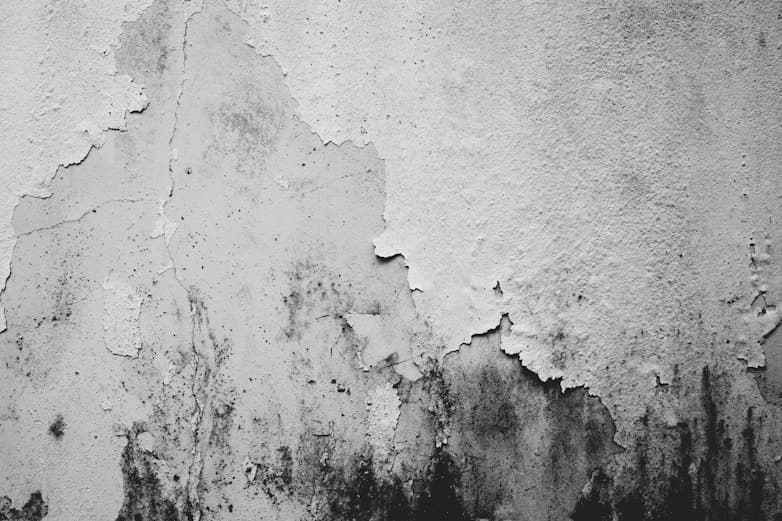
Plaster on wood or metal lath is dense and slow to dry. Staining often appears months after a leak begins, and by then the lath and framing behind it may support growth. Thermal imaging shows cool, damp areas in plaster well before any stain is visible, and a pinless moisture meter confirms them without marking the finish.
Enclosed porches and Florida rooms
Original screened porches were designed to shed water outward. When they are enclosed with windows and tied into the home's air conditioning, the old floor slab often sits below grade relative to the yard, the walls lack a vapor barrier, and the roof connection to the main house was never flashed for a conditioned space. These rooms are among the most common sampling locations in our Winter Park work.
Bathrooms over original plumbing
A 1940s bathroom with a new tile job may look fresh while the drain line beneath it weeps into the subfloor. We read moisture around tubs and toilets and check the ceiling or crawl space below.
Attics with retrofitted ductwork
Older attics were built for ventilation, not ducts. Flexible duct runs added later may be poorly insulated or crushed, and moisture condenses on the cold jacket and drips onto ceiling joists. Dark staining around ceiling registers is the visible sign.
Crawl spaces
Where a home has a crawl space, we inspect it directly. Standing water, damp soil, condensation on ductwork and growth on the underside of the subfloor all affect the air in the living space above.
How Winter Park humidity and the lakes factor in
Winter Park sits on a chain of lakes, from Lake Virginia and Lake Osceola to Lake Maitland and Lake Killarney. Lakefront lots often have higher water tables and more frequent morning fog, and summer thunderstorms drive rain against older windows and siding.
Indoors, the physics is the same as anywhere in Florida. When warm humid air reaches a surface cooler than its dew point, water condenses. In older homes the cool surfaces are more numerous and less predictable: an uninsulated exterior wall behind a dresser, a supply register in a plaster ceiling, a floor over a damp crawl space. Keeping indoor relative humidity below 60 percent helps, but it does not fix a wall that is wet from the outside.
Buying an older Winter Park home
A general home inspection is not a mold assessment, and most home inspectors say so in their reports. If you are under contract on a 1950s home in Winter Park, a pre-purchase mold inspection by a licensed assessor gives you three things the home inspection does not:
- Moisture readings and thermal images of the walls, not just a note that staining was observed
- Laboratory data on what is in the air compared with the outdoors
- A written scope of work, if growth is found, that you can use to negotiate repairs or price
Because UES does not perform remediation, the findings carry no incentive to find more than is there, which matters when a buyer, a seller and two agents are all reading the same report. Realtors who work the Winter Park market can read more on our page for real estate professionals.
What an inspection in your Winter Park home includes
| Step | What it involves in an older home |
|---|---|
| Interview and history | Age of home, past leaks, additions, renovations, when AC was added |
| Visual inspection | Every room, closets, attic, crawl space, enclosed porches, exterior walls and grading |
| Moisture mapping | Pinless and pin meters at window sills, wall bases, bathrooms, additions |
| Thermal imaging | Plaster walls and ceilings, ceilings below bathrooms, areas around registers |
| Humidity readings | Relative humidity and temperature in several rooms, attic and crawl space |
| Sampling | Air samples indoors and outdoors, surface samples of suspect growth, sent under chain of custody |
| Report and protocol | Findings, photos, lab data and a written remediation protocol if needed, in the UES Client Portal |
This is the scope of a comprehensive mold assessment. If a water source is active, we document it under a water intrusion assessment so the repair and remediation can be coordinated.
Preserving original finishes
Owners of older Winter Park homes are often more worried about the fix than the finding. A protocol written by an assessor who understands historic materials can specify that sound plaster be dried and cleaned rather than demolished, that original trim be removed and reinstalled, and that containment protect finishes in adjoining rooms. The protocol tells the remediator how far to go, and it is where preservation goals get written down. See our remediation protocol page for what it contains.
When to call UES
If your Winter Park home is showing stains on plaster, a musty smell in an enclosed porch, dark rings around ceiling registers or any sign that an old leak has resurfaced, or if you are buying an older home in Orange County and want to know what is behind the walls before you close, UES can help. We have served Winter Park, Maitland, Orlando and the rest of Central Florida since 2000 as independent assessors. We test and diagnose. We never remediate. Book an assessment online or call (407) 438-4684, Monday through Friday, 9:00 AM to 5:30 PM. Our Winter Park service area page has more on how we work in the city.
Related reading
Frequently asked questions
Do older Winter Park homes have more mold than newer ones?
Not necessarily more, but different. Older homes have had decades for small leaks, past repairs and additions to accumulate, and many were built before vapor barriers, central air and modern flashing were standard. The result is often a scattered pattern of small moisture histories rather than one large event, which is why a thorough inspection matters more than a quick walk-through.
Can a mold inspection damage the plaster or original finishes in my home?
A proper assessment is non-destructive. Thermal imaging, pinless moisture meters and air sampling do not mark walls. Pin meters leave two tiny holes, and we use them only where a reading is needed and ask first in finished rooms. If a wall cavity needs to be opened to confirm growth, that is written into the protocol for the remediator, not done during the inspection.
Should I get a mold inspection before buying an older Winter Park home?
Yes, and separately from the general home inspection. A home inspector notes visible staining; a licensed mold assessor measures moisture, images the walls and samples the air, then tells you whether what you see is cosmetic or the surface of a larger problem. In a market where many homes are sold with renovations that covered old damage, that distinction can be worth a great deal.
Worried about what you just read?
An independent UES assessment tells you exactly what is going on, what caused it and what to do next. Book online or call.