How salt air, sea breeze and coastal humidity affect indoor moisture and mold in Volusia County homes from Daytona Beach to New Smyrna, and what owners can do.
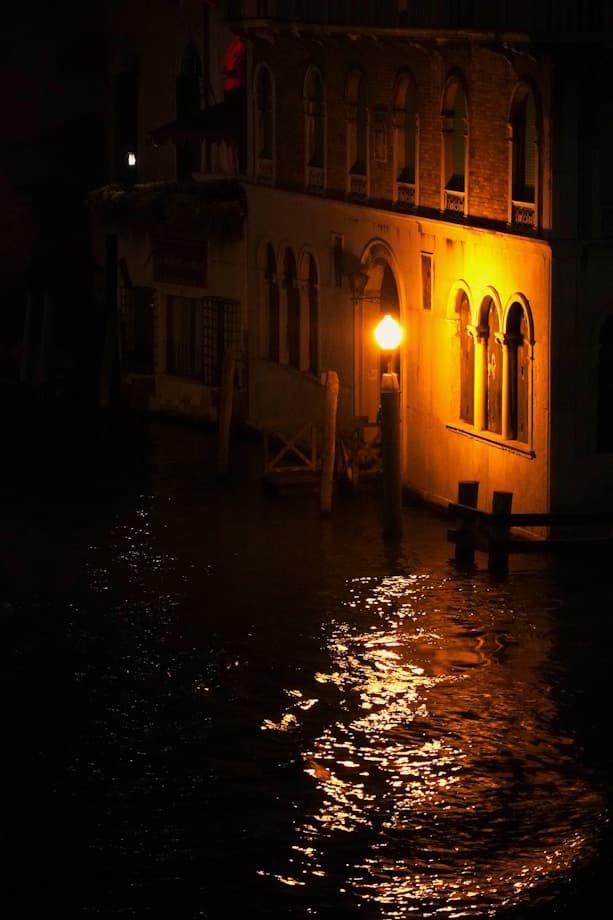
Living near the ocean in Volusia County comes with a constant companion: salt. It coats windows, pits metal railings, shortens the life of air conditioners and corrodes anything with a fastener. What is less obvious is how salt air and the coastal climate change moisture behavior inside homes from Ormond Beach to New Smyrna Beach. The result is that coastal homes develop condensation, leaks and mold through paths that inland homeowners rarely encounter.
This guide explains how salt air and coastal conditions affect indoor moisture, where problems appear in Volusia County homes and what owners can do to manage them.
The direct answer
Salt air affects indoor moisture in Volusia County in three ways. The coastal environment is more humid than inland Florida, so homes near the ocean and the Halifax River carry a higher baseline humidity load. Salt corrodes window hardware, flashing, fasteners and HVAC components, creating leaks and condensation problems earlier than they would appear inland. And salt deposited on and in materials attracts moisture, so surfaces that get wet stay damp longer. Managing indoor humidity below 60 percent, maintaining the envelope aggressively and inspecting the ocean- and river-facing sides of the home regularly keeps most problems small.
Coastal climate: why the air is different
Volusia County's coast sits between the Atlantic and the Halifax River, with the Intracoastal Waterway and the Tomoka and Spruce Creek systems adding more open water. The sea breeze that makes summer afternoons tolerable carries moisture and salt inland. Nights near the water stay humid; dew forms on everything. Fog is common in cooler months. Inland, toward DeLand and Deltona, the air dries out more at night and the daily pattern looks more like Orlando's.
For a home, that means outdoor air infiltrating through gaps and openings arrives wetter near the coast than inland. Every time a door opens, a window leaks or a return duct pulls attic air, the house takes on a larger moisture load. The AC has to do more dehumidification work, and any shortfall shows up faster.
How salt accelerates moisture problems
Corrosion of windows and sliders
Salt attacks the aluminum and steel in window frames, slider tracks, rollers, locks and weep covers. Tracks pit and no longer drain. Weep holes clog with salt and sand. Sealant fails at corroded edges. Wind-driven rain, which is routine on the coast, enters the wall below the opening.
Flashing and fasteners
Roof flashing, drip edges, screws and nails corrode and loosen. Water follows the gap. Balcony railings anchored into concrete rust and crack the slab around them, creating a path for water into the structure below.
Air conditioning
Salt corrodes outdoor condenser coils and cabinets, which shortens equipment life and reduces efficiency. A struggling system cools less and dehumidifies less. Inside, salt and sand carried into the home clog filters and coils. Condensate lines exposed to the exterior corrode and leak.
Door thresholds and garage doors
Thresholds and weatherstripping fail faster in salt air. Garage door bottom seals degrade. Both let water and humid air in at floor level.
Salt in materials
Salt deposited on exterior walls, in stucco and on surfaces near openings is hygroscopic. It pulls moisture from the air. Stucco and concrete near the coast stay damp longer after rain, and salt that migrates into drywall or wood at a leak keeps that material damp even after the leak is fixed.
Volusia County housing and where problems appear
| Housing type | Where | Typical moisture issue |
|---|---|---|
| Beachside condos | A1A corridor, Daytona Beach Shores | Slider leaks, shared plumbing, HVAC condensation |
| Beachside block homes | Ormond-by-the-Sea, Wilbur-by-the-Sea, Ponce Inlet | Window intrusion, corroded flashing, ocean-side wall growth |
| Riverfront homes | Halifax River, Spruce Creek | River-side humidity, enclosed porches, docks |
| Mainland block homes | Holly Hill, South Daytona, Port Orange | Duct condensation, slab moisture, AC strain |
| Inland homes | DeLand, Deltona, DeBary area | Closer to inland Florida pattern |
Beachside and riverfront homes carry the heaviest load. Mainland homes within a mile or two of the water still see more humidity and faster equipment wear than homes farther inland.
Signs of salt-air-related moisture problems
- Pitted, sticking or non-draining slider and window tracks.
- Staining or soft drywall below windows and sliders on the ocean or river side.
- White salt crust on exterior walls or around openings, with damp stucco behind it.
- An air conditioner that runs constantly but leaves the home clammy.
- Condensation at registers and on the inside of ocean-facing glass in the morning.
- Musty odor in closets along exterior walls.
- Rust streaks from fasteners, railings and flashing with staining inside nearby.
Managing moisture in a coastal Volusia County home
- Hold indoor humidity below 60 percent. A hygrometer in two rooms tells you whether the AC is keeping up. Add a dehumidifier if it is not.
- Maintain windows and sliders. Rinse tracks with fresh water, keep weep holes clear, replace corroded rollers and sealant promptly.
- Service the AC more often than inland. Coil cleaning, condensate line flushing and inspection of corroded components extend equipment life and preserve dehumidification.
- Inspect flashing and fasteners annually and after every storm.
- Replace thresholds and weatherstripping at the first sign of wear.
- Rinse exterior walls near openings periodically to reduce salt accumulation.
- Keep closets on exterior walls breathing with louvered doors and space behind stored items.
- Condition or isolate enclosed porches facing the water.
When testing is the right step
Humidity readings and visual checks tell you whether conditions favor growth. They do not tell you whether growth is active inside a wall below a corroded slider, in a ceiling under a neighbor's unit or in the air handler. A comprehensive mold assessment meters moisture in the ocean- and river-facing walls, uses thermal imaging to find hidden wet areas and sweating ducts, and collects air and surface samples for analysis by an independent accredited laboratory. When the concern is how the air feels rather than visible growth, indoor air quality and allergen testing measures spores, allergens and chemical compounds directly. For stubborn intrusion that defies simple explanation, our building forensics and specialized diagnostics work traces the path.
UES assesses, tests and diagnoses only. We never remediate and never accept referral fees from contractors, so the findings describe the building and nothing more. Results are delivered through the UES Client Portal.
When to call UES
UES assesses beachside condos, riverfront homes and inland properties across Volusia County, from Ormond Beach and Daytona Beach to Port Orange, New Smyrna Beach, DeLand and Deltona. If your coastal home is clammy despite the AC, shows staining below windows or sliders, or carries a musty odor in exterior wall closets, book an assessment online or call (407) 438-4684. Our Daytona Beach service area page has more on how we serve the coast.
Related reading
Frequently asked questions
Does salt air make indoor humidity higher?
Coastal air in Volusia County is more humid than inland air because of the ocean and the sea breeze, and salt deposited on surfaces attracts moisture, so surfaces near the coast stay damp longer. Salt itself does not raise the humidity reading in your living room, but the coastal environment does, and salt makes everything it touches harder to dry.
How far inland does salt air affect homes in Volusia County?
Corrosion and salt deposits are most intense on the barrier island and within the first mile or so of the ocean and the Intracoastal Waterway. The elevated humidity of the coastal environment reaches farther, and mainland neighborhoods in Daytona Beach, Holly Hill, Port Orange and South Daytona still live in a more humid climate than DeLand or Deltona.
What should I check in a coastal home each year to stay ahead of moisture problems?
Window and slider tracks and sealant, flashing and roof penetrations, the AC coil and condensate line, exterior door thresholds and the inside face of closets and walls along the ocean or river side. A hygrometer in the main living area and the master bedroom tells you whether the AC is holding humidity below 60 percent.
Worried about what you just read?
An independent UES assessment tells you exactly what is going on, what caused it and what to do next. Book online or call.