
Testing & Process · 7 min read
Damage beyond the flames.
Damage beyond the flames.
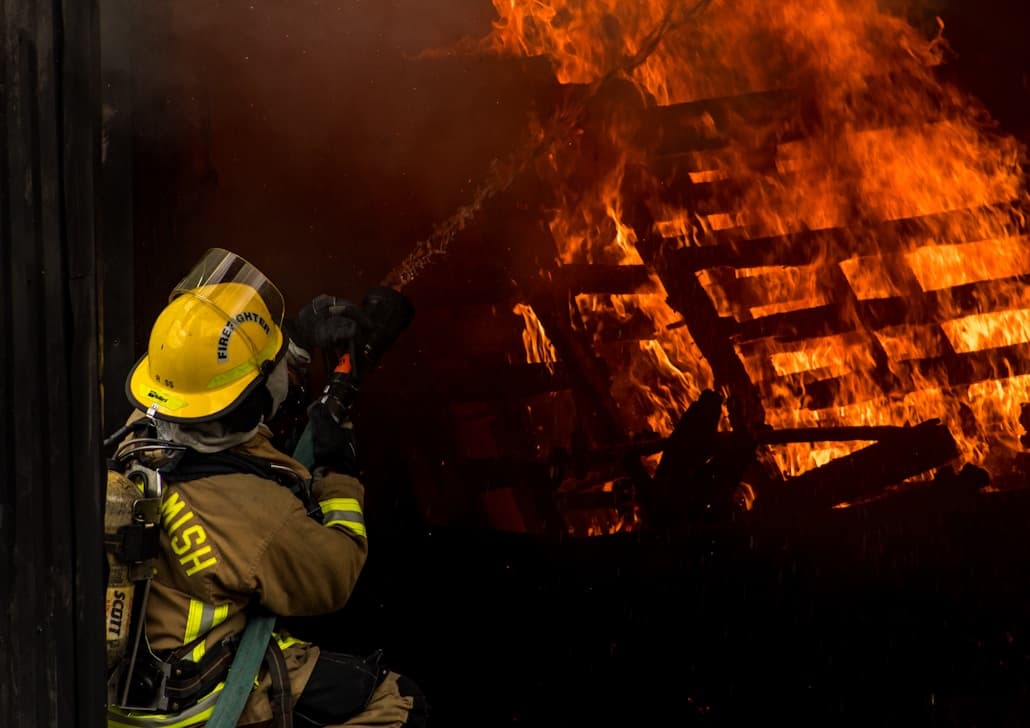
Building fires are unfortunately common and cause significant damage to structural systems including wood, concrete and steel framing. The effects of fire damage may not be obvious to the untrained eye, but fire can release a number of toxic chemicals into the air. When building materials and furnishings are burned there can be residual chemicals that cause serious health complications for the building's occupants.
The damage to a building is often compounded by the water used to extinguish the fire. Water can affect areas of your building that were never touched by flame and can cause subsequent mold growth within days. We evaluate the extent of fire damage, document the water intrusion and determine the need for additional testing before restoration begins.
Soot damage can be obvious, but it can also settle on surfaces and contents that look clean. Our assessors are trained to seek out and document this damage so that restoration scopes are complete, contents decisions are defensible and the building is safe to reoccupy.
Not necessarily. Even a small, contained fire can distribute soot and combustion gases through the HVAC system. Testing confirms whether the air and surfaces are safe before you move back in.
Yes, when water was used to extinguish the fire. We assess moisture in affected materials and sample for mold where indicated, because secondary mold growth is one of the most common post-fire problems.
You deserve a clear path forward. Our process is designed to replace your uncertainty with irrefutable data and an actionable plan.
Our state-licensed consultant begins where a simple inspection ends. We conduct a thorough forensic investigation of your property, documenting its history, identifying potential moisture intrusion points, and assessing ventilation systems. We look for the subtle warning signs that unqualified inspectors often miss.
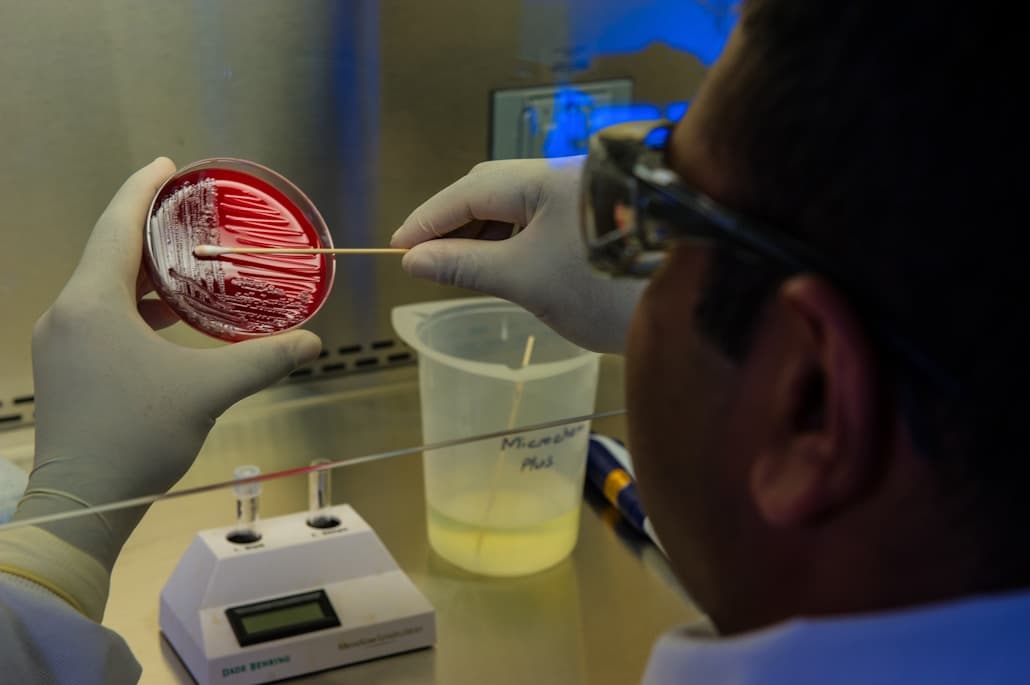
Based on our initial findings, we use industry-leading tools to collect strategic air and surface samples. These are sent under strict chain of custody to an independent, accredited laboratory. The analysis identifies the precise species and concentration of mold spores present, giving us the hard data needed to assess the health risk.
This is the step that separates a temporary fix from a permanent solution. Mold cannot exist without moisture. Using thermal imaging cameras and moisture meters, we pinpoint the hidden water source fueling the growth, whether it's a slow pipe leak, a condensation issue, or a compromised building envelope. We don't just find the mold; we find the cause.
You receive a clear, step-by-step remediation protocol and interactive findings in the UES Client Portal, along with a vetted list of local remediators. Share the protocol with contractors, get accurate quotes and track the work item by item.
Once remediation is complete, we return to inspect and sample again. Clearance is issued only when the data confirms the work was done right, so you can rebuild and move back in with confidence.
Call now or book online in minutes. We serve Orlando, Leesburg, Central Florida and the entire state.
Testing & Process · 7 min read
Jacksonville, FL · 6 min read
Real Estate · 7 min read
Commercial & Property Management · 7 min read
Our commitment to every Florida client
Independent, state-licensed mold assessors and indoor air quality consultants since 2000. We test, we diagnose and we document; we never sell remediation, so the only thing our report has to serve is you.
Ultimate Environmental Solutions, Inc.
Florida licensed mold assessors · Leesburg & Orlando · Serving the entire state