A step-by-step guide for Florida landlords and property managers on handling a tenant mold complaint, from first notice to independent inspection and clearance.
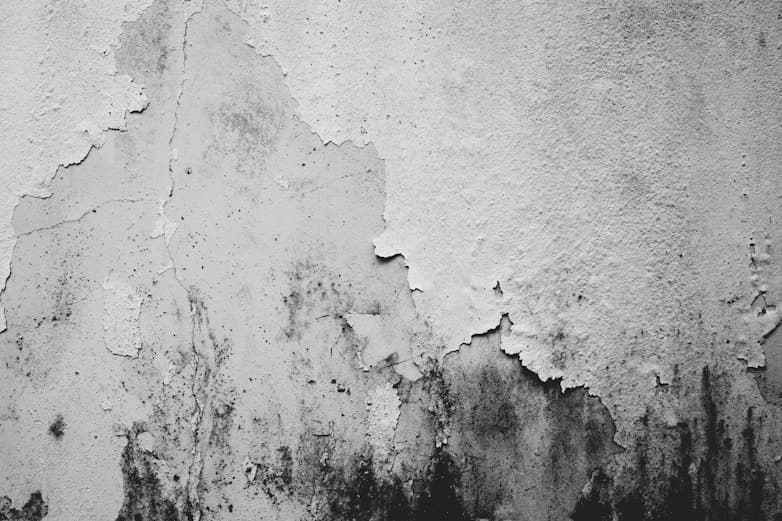
The email arrives at 7:40 on a Monday morning with three photos attached: a dark ring on a bedroom ceiling, a closet wall with speckled growth and a thermostat reading 78 degrees. The tenant says the kids have been coughing. You own or manage the unit, and the next few decisions will determine whether this becomes a routine repair or a months-long dispute.
Florida landlords and property managers field mold complaints year-round because of the climate, and the ones who handle them well follow a repeatable process. This guide lays out that process, from the first message to clearance testing, and explains where independent assessment fits. It is practical guidance, not legal advice; consult your attorney for lease and liability questions.
The direct answer
Respond to every mold complaint as a water problem first. Acknowledge the complaint in writing, inspect promptly, identify and stop the moisture source, document conditions with an independent licensed assessor when growth or a hidden source is suspected, remediate under a written protocol if needed, and verify the result with clearance testing. Keep every step dated and on paper.
Why mold complaints escalate
Most disputes do not start with mold. They start with a slow response, a vague answer or a handyman who paints over a stain and leaves. Tenants read silence as indifference, and the complaint moves from a repair request to a demand, a code enforcement call or a lawyer's letter.
The underlying building issue is usually simple: a roof leak, a failed window seal, a sweating air handler, a supply line drip or an undersized air conditioner that cannot keep humidity below 60 percent. Finding it quickly is cheaper than arguing about it.
Step one: acknowledge in writing within a day
Reply to the tenant promptly, even if you cannot schedule the inspection yet. Thank them for the photos, confirm you take the report seriously and give a date for the first visit. Ask them to keep the air conditioning running, use exhaust fans and avoid disturbing the affected area.
This message does three things. It stops the clock on the tenant's frustration, it establishes a record of good faith and it begins the collaborative tone you want for the rest of the process.
Step two: look for water before you look for mold
At the first visit, your maintenance person or manager should focus on the moisture source, not the stain. Check:
- Roof and ceiling above the stain, including attic insulation if accessible
- Window and door flashing on the wall in question
- Plumbing under sinks, behind the toilet and at the water heater
- The air handler closet for condensate overflow, a clogged drain line or a sweating plenum
- Supply registers for condensation, which often shows up as dark spotting on the ceiling around the grille
- Indoor relative humidity with a hygrometer
In Florida, a surprising share of complaints trace to humidity and condensation rather than a leak. A thermostat set in the upper 70s with the fan on continuous circulation can push indoor humidity above 60 percent, and closets on exterior walls grow mold without a drop of liquid water ever entering.
Step three: decide when to bring in an independent assessor
A small bathroom ceiling stain with an obvious exhaust fan failure may be handled directly. Bring in a licensed independent mold assessor when any of the following apply:
- Visible growth larger than a small patch, or growth in more than one room
- A musty odor without a visible source
- Staining that suggests water inside a wall or ceiling cavity
- A tenant reporting health symptoms
- Any complaint that has already involved a lawyer, a housing office or threatened rent withholding
- A prior repair that did not resolve the issue
Florida licenses mold assessors and mold remediators separately through the Department of Business and Professional Regulation, and state law keeps the roles apart. An assessor who does not remediate has no reason to inflate or minimize the finding, which is exactly what makes the report credible to the tenant, your insurer and anyone reviewing the file. UES has provided that kind of neutral assessment to Florida owners and managers since 2000, and our rental property mold inspection is structured for occupied units.
What the assessment produces
A thorough rental assessment includes a visual inspection with photographs, moisture meter and thermal imaging readings to locate wet materials, humidity measurements, air and surface samples analyzed by an independent accredited laboratory, and a written report. When growth is found, the report includes a remediation protocol that defines the scope, containment, HVAC protection and clearance criteria.
For you as the owner, the two most valuable pages are the moisture source diagnosis and the protocol. The first tells you what to repair. The second lets you obtain comparable bids from licensed remediators without any one of them writing their own scope.
Step four: communicate findings to the tenant
Share the report. Withholding it invites suspicion, and the independent nature of the document works in your favor. Explain in writing what the source was, what repairs are scheduled and what the timeline is. If the assessment found conditions attributable to tenant behavior, such as blocked registers or a thermostat left off for weeks, present that neutrally with the report as the source, and review next steps with your attorney before making any claim against the tenant.
Step five: repair the source, then remediate under the protocol
Order matters. Remediation without source repair fails, and the growth returns. Fix the roof, the flashing, the plumbing or the HVAC condensation issue first or at the same time. Then have a licensed remediator perform the work described in the protocol.
| Phase | Who does it | What you keep on file |
|---|---|---|
| Source repair | Roofer, plumber, HVAC contractor | Invoice and photos |
| Remediation | Licensed mold remediator | Contract referencing the protocol, daily logs |
| Clearance | Independent mold assessor | PRV report with lab results |
| Closeout | You | Written notice to tenant with results |
Step six: verify with post-remediation testing
Do not accept the remediator's own word that the unit is clean. Post-remediation verification by the independent assessor compares the finished work to the clearance criteria set in the protocol: visual inspection, moisture confirmation that materials are dry and air sampling compared to outdoors. A passing PRV report is the document that closes the complaint, and it is the one your tenant, your insurer and any future buyer will want to see.
Recordkeeping that protects you
Keep a single file per complaint containing:
- The tenant's original notice and photos
- Your written acknowledgment and every subsequent message
- Maintenance visit notes with dates and readings
- The independent assessment report and lab data
- Repair invoices
- The remediation contract and protocol
- The PRV report
- Your closeout letter to the tenant
If the dispute ever reaches a mediator or a judge, this file tells the story in order and shows a responsive owner.
Preventing the next complaint
Across a portfolio, the same few issues produce most mold calls. Consider:
- Setting lease expectations for thermostat use and reporting leaks promptly
- Annual HVAC service that includes condensate drain line clearing and coil inspection
- Inspecting window and door seals before hurricane season
- Replacing failed bathroom exhaust fans rather than waiting for a complaint
- Checking humidity during turnover walkthroughs, especially in units that sat vacant
Our landlords and tenants page covers portfolio-level programs and how we coordinate access with occupied units.
When to call UES
If you own or manage rental housing in Orlando, Kissimmee, Leesburg, Tampa or anywhere in Florida and need an independent assessment of a tenant mold complaint, UES inspects, tests and documents without performing remediation or accepting referral fees. Reports are delivered through the UES Client Portal, where you can also track remediation progress. Book an assessment online or call (407) 438-4684, Monday through Friday, 9:00 AM to 5:30 PM.
Related reading
Frequently asked questions
How fast should a landlord respond to a mold complaint in Florida?
Treat it as an active water problem and respond within a day or two, even if only to schedule an inspection. Wet materials can support mold growth within 24 to 48 hours, so delay turns a small repair into a remediation project. Prompt written acknowledgment also shows good faith if the matter is ever reviewed by a housing office or court.
Can my remediation contractor do the inspection?
Florida licenses mold assessors and remediators separately, and the two roles are kept apart by state law. A remediator who inspects, prices and performs the work has an obvious conflict of interest, and tenants and insurers know it. An independent assessor's report is neutral documentation that protects you whether the finding is a small humidity issue or a hidden leak.
Who pays for the mold inspection, landlord or tenant?
In most cases the owner commissions and pays for the assessment because the owner is responsible for the building and benefits most from a defensible record. Some tenants hire their own assessor when they distrust the owner's response. If the report shows tenant-caused conditions, the lease and your attorney's advice will govern any cost recovery.
Worried about what you just read?
An independent UES assessment tells you exactly what is going on, what caused it and what to do next. Book online or call.