Mold in a Florida rental worries tenants and landlords alike. Learn how to document it, why independent testing settles disputes and what each side should do.
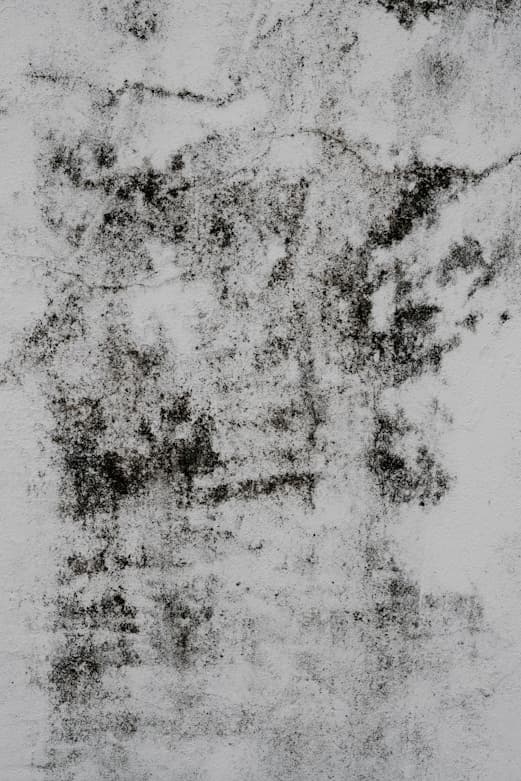
A tenant in Kissimmee notices a musty smell in the bedroom closet and dark spots along the baseboard, and sends a photo to the property manager. The manager suspects the tenant has been running the air conditioner at 80 degrees. The tenant suspects a leak the owner never fixed. Both might be right. In Florida rentals, mold disputes almost always come down to one question nobody can answer by text message: where is the moisture coming from?
The direct answer
When mold appears in a rental property, the most useful thing either party can do is get the moisture source and the extent of contamination identified by someone who has no stake in the answer. A licensed, independent mold assessor who does not perform remediation provides a report that documents what is growing, how much, and why. That report is the foundation for repairs, for any insurance claim, and for whatever conversation the lease and Florida law require between tenant and landlord. UES does not give legal advice, and this guide does not either. It explains how the assessment process works for rentals and what each side can do to protect themselves.
Why rentals grow mold differently
Rental housing in Florida has a few features that make mold more common than in owner-occupied homes.
- Thermostat habits. Tenants paying their own electric bill often set the thermostat high or turn the system off when away. Indoor humidity climbs above 60 percent and mold follows in closets, on registers and behind furniture.
- Deferred maintenance. A small roof leak, a dripping supply valve or a failing window seal that an owner-occupant would notice can go unreported for months in a rental.
- Turnover. Units sit vacant between tenants, sometimes with the air conditioning off, in the middle of summer.
- Vacation rentals and seasonal units. Properties near the theme parks in Kissimmee, Davenport and the Four Corners area, or snowbird rentals in The Villages, sit empty for stretches and host guests who do not know the house.
- Shared systems in multifamily buildings. A leak in one unit wets the one below. A shared wall carries moisture from a neighbor's bathroom.
- Older housing stock. Many rentals in Orlando, Sanford and Leesburg are block homes from the 1960s and 1970s with original windows and aging plumbing.
What tenants should do
If you are renting and you find mold or smell it:
- Report it in writing to the landlord or property manager right away, with photos and the date. Keep a copy.
- Describe what you see and smell, where, and any water events you know of: a leak, a storm, an appliance failure, a neighbor's overflow.
- Keep running the air conditioning in auto mode and keep humidity down. This protects you and prevents the situation from being attributed to how you live.
- Do not clean or disturb growth on drywall or large areas. It spreads spores and destroys evidence of the extent.
- Photograph everything before any repair, including the surrounding area, and keep a log of dates, communications and symptoms.
- If anyone has symptoms, see a physician and keep records. An assessment report gives the doctor context.
- Consider commissioning your own assessment if you want documentation that is independent of the owner. The report belongs to whoever pays for it.
What landlords and property managers should do
If you own or manage rentals:
- Respond promptly and in writing to any report of mold or moisture.
- Order an independent assessment before ordering remediation. An assessor who also remediates has an obvious interest in the scope. An independent one gives you a defensible report on cause and extent.
- Fix the moisture source first. Remediation without correcting the leak or humidity problem guarantees a repeat and a second dispute.
- Follow a written protocol. It defines the scope for the remediation contractor and gives you a basis for comparing bids.
- Get post-remediation verification. Clearance testing by the same independent assessor documents that the unit was returned to normal conditions. This protects you with the current tenant and the next one.
- Keep the records. Assessment report, protocol, remediation invoices and clearance results together form the file you want if a claim or dispute arises later.
- Set humidity expectations in the lease and consider a humidity monitor in units with a history of problems.
What the assessment establishes
A comprehensive mold assessment of a rental unit produces the facts both parties need.
| Question | How the assessment answers it |
|---|---|
| Is it mold? | Surface sampling analyzed by an independent accredited lab |
| How much is in the air? | Air samples in affected rooms compared with outdoors |
| Where is the water coming from? | Moisture readings, thermal imaging, inspection of plumbing, roof, windows and HVAC |
| Is it a leak or a humidity problem? | Pattern of moisture readings and growth, humidity measurements, HVAC evaluation |
| How far does it extend? | Moisture mapping and sampling beyond the visible area |
| What has to be done? | Written protocol specifying removal, containment and source correction |
The moisture source finding is the one that matters most in a rental. A wet wall traced to a failed window seal reads very differently from Cladosporium on every register in a unit held at 82 degrees with 70 percent humidity. When the water path is unclear or disputed, a water intrusion and damage assessment focuses on tracing it. When tenants report symptoms, indoor air quality and allergen testing documents the air they are breathing.
Results are delivered through the UES Client Portal, where the commissioning party can share them. The portal includes the digital protocol, a vetted remediator list for landlords who need to hire a contractor, and a Remediation Tracker so progress can be followed and documented through to clearance.
Because UES assesses and never remediates, and never accepts referral fees from contractors, the report says what the evidence shows regardless of who hired us. That independence is the entire value of the report in a landlord-tenant situation, where each side may reasonably doubt a finding produced by the other side's contractor.
Common rental mold scenarios
- Closet and register mold in an otherwise sound unit. Usually humidity. The assessment documents indoor humidity, HVAC performance and the absence of leaks.
- Stain and growth at a ceiling or wall after rain. Usually a roof, window or stucco leak. The assessment traces the entry point and extent.
- Mold under a sink or around a water heater. Usually a slow plumbing leak. The assessment maps how far water traveled into cabinets, walls and flooring.
- Growth returning after a prior cleanup. Usually the moisture source was never corrected or contaminated material was left in place. The assessment identifies what was missed.
- Tenant reports odor, landlord sees nothing. A hidden-source investigation with moisture readings, thermal imaging and sampling finds it or documents its absence.
When to call UES
Tenants and landlords in Florida can both book an independent assessment. Call when mold has been reported in a rental, when the cause is disputed, when a remediation has been completed and clearance documentation is needed, or when a unit will be turned over after a water event. Book online or call (407) 438-4684, Monday through Friday, 9:00 AM to 5:30 PM. UES serves Kissimmee, Orlando, Tampa and all of Florida. See the FAQ for more on how assessments work.
Related reading:
Frequently asked questions
Who pays for mold testing in a rental?
It depends on the lease and on the cause, and we cannot give legal advice. In practice, landlords often order testing because they own the building and need to know what repairs are required, while tenants sometimes order testing when they want documentation independent of the owner. Either party can hire a licensed assessor, and the report belongs to whoever commissioned it.
Can a tenant be blamed for mold?
Mold caused by tenant behavior, such as never running the air conditioning, blocking vents, or failing to report a leak, is a different situation from mold caused by a roof leak, a slab leak or a failed appliance the landlord was responsible for. An independent assessment identifies the moisture source, which is the fact that usually determines responsibility. The lease and Florida law govern the rest.
Should a tenant move out if there is mold?
That is a decision for the tenant, ideally made with a physician if anyone has symptoms, and with awareness of the lease terms. An assessment can clarify how extensive the problem is and whether the living space air is affected, which helps both the health decision and any conversation with the landlord. UES does not give legal or medical advice.
Worried about what you just read?
An independent UES assessment tells you exactly what is going on, what caused it and what to do next. Book online or call.