A practical guide for Florida renters on documenting mold in a rental, notifying the landlord in writing and when an independent mold inspection helps.
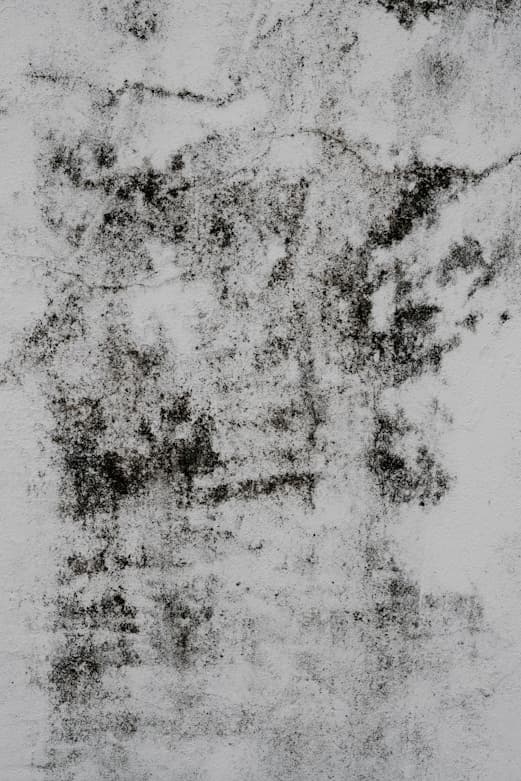
You noticed a black line creeping along the bathroom ceiling, then a sour smell in the bedroom closet, and now your allergies are worse every morning. You rent, so you cannot simply tear out the drywall and fix it. What you can do is build a clear, dated record that gets the problem taken seriously and protects you if the situation escalates.
This guide explains how Florida tenants can document a mold problem properly, how to communicate with a landlord effectively and where an independent mold inspection fits in. It is general information, not legal advice. For questions about your specific lease or legal remedies, speak with an attorney, a legal aid organization or your local housing office.
The direct answer
Florida landlords generally have a duty to keep rental housing in a habitable condition and to make repairs, and Florida renters generally have the right to notify the landlord in writing of conditions that need repair. Mold itself is usually treated as a symptom of a moisture problem, which is a repair issue. Your strongest position comes from written notice, dated photographs, a log of symptoms and events, and, when needed, an independent assessment from a licensed mold assessor.
Why documentation matters more than argument
Mold disputes between tenants and landlords tend to stall on two points: whether the problem is real, and who caused it. A landlord may believe the tenant is not running the air conditioning or is exaggerating a small bathroom stain. A tenant may believe the landlord is ignoring a roof leak.
Documentation moves the conversation from opinion to evidence. Dated photos showing a stain growing over three weeks, hygrometer readings and a report showing a wet wall cavity under a window are hard to argue with, and they make you a credible witness if the dispute ever reaches a mediator, a code officer or a courtroom.
Step one: photograph and date everything
Start the day you notice something.
- Take wide shots that show the room and close-ups that show detail.
- Include a ruler, coin or your hand for scale.
- Capture water stains, bubbling paint, warped baseboards, condensation on windows and any visible growth.
- Photograph the air handler closet, supply registers and the area under sinks even if they look fine today; you may want a baseline later.
- Keep the original files with their metadata rather than screenshots.
Repeat every week or two so the record shows change over time.
Step two: keep a written log
A simple notebook or a notes app works. Record:
| Date | What you observed | What you did | Who you told |
|---|---|---|---|
| Day you first saw it | Stain size, odor, location | Photographed | Nobody yet |
| Day you notified | Sent written notice | Email or letter | Landlord or manager |
| Follow-up | Response or no response | Called, emailed | Name of person |
| Any symptoms | Headaches, congestion, asthma flare | Doctor visit if any | Physician |
Symptom notes are not a diagnosis; only a physician can tell you whether mold is affecting your health. But a record of when symptoms began relative to the moisture is useful to your doctor and to anyone evaluating the housing issue.
Step three: notify the landlord in writing
A phone call is easy to forget or deny. Written notice creates a record. Florida law has requirements about how notice is delivered and what it must say for certain remedies to be available, so for anything beyond an ordinary repair request, get guidance from a tenant attorney or legal aid office on the proper form.
For the notice itself:
- Describe the problem specifically: location, size, odor, any water source you suspect.
- Attach a few photographs.
- Ask for an inspection and repair of the moisture source, not just cleaning of the stain.
- Request a response by a reasonable date.
- Keep a copy and proof of delivery.
Send it to the address the lease specifies for notices and to the property manager if there is one.
Step four: control what you can control
Landlords often blame tenant habits for humidity. Make that argument impossible to sustain.
- Run the air conditioning and keep indoor relative humidity below about 60 percent. A hygrometer costs little and lets you log readings.
- Use bathroom and kitchen exhaust fans and leave bathroom doors open after showers.
- Do not dry laundry indoors or block supply registers with furniture.
- Report leaks immediately, including slow drips under sinks.
If you are doing all of this and the problem persists, the source is in the building, and your log will show it.
Step five: know what the landlord's contractor can and cannot tell you
When a landlord responds, they may send a handyman or a remediation company. Florida licenses mold assessors and mold remediators separately through the Department of Business and Professional Regulation, and state law keeps the two roles apart. A remediation company has a financial interest in the scope of work; a handyman typically has no mold license at all.
Ask who is inspecting, what license they hold and whether you will receive a written report. If the answer is a wipe-down and a coat of paint, document that too, because growth that returns within weeks is strong evidence the source was never fixed.
When an independent inspection helps your case
An independent, licensed mold assessor who does not perform remediation has no incentive to find more or less than what is there. That neutrality is precisely why the report carries weight with landlords, property managers, insurers and code officials. UES has provided this kind of assessment to Florida tenants and landlords since 2000, and our rental property mold inspection is built around the questions a dispute raises.
A rental assessment typically includes:
- A visual inspection of the unit with photographs
- Moisture meter readings and thermal imaging to locate wet building materials
- Humidity readings in each room
- Air samples compared to an outdoor control and surface samples of suspect growth, analyzed by an independent accredited laboratory
- A written report identifying the moisture source and, where growth is found, a remediation protocol any licensed contractor can follow
The moisture source finding is often the most useful part for a tenant. A wet wall below a window or an air handler condensing onto the closet floor demonstrates a building defect rather than a lifestyle issue.
Our landlords and tenants page describes how we handle access, scheduling and reporting when the landlord and tenant are both involved.
Sharing the report
Send the full report to the landlord with a short cover note asking for a repair plan. If the landlord engages a remediator, the protocol in the report gives them a clear scope, and post-remediation verification by an independent assessor confirms the work was completed to the clearance criteria before you move back into the affected rooms.
What to avoid
- Do not stop paying rent on your own. Florida has specific procedures and timelines before certain remedies apply. Get legal guidance first.
- Do not demolish or remove materials yourself. Beyond lease issues, disturbing growth without containment can spread spores through the unit.
- Do not rely on a home test kit. A petri dish that grows mold proves only that spores exist, which is true in every building. It cannot locate a source or compare to outdoors.
- Do not delete old messages. Texts and emails with the landlord are part of the record.
Where to get legal help
For questions about notice requirements, repair deadlines, lease termination or rent remedies, contact a tenant attorney, your county's legal aid program, or the local housing or code enforcement office. Bring your log, your photos and your assessment report to that conversation.
When to call UES
If you rent in Orlando, Leesburg, Tampa or anywhere in Florida and need neutral documentation of a mold or moisture problem, UES can inspect, sample and report with no stake in the repair. We never remediate. Book an assessment online or call (407) 438-4684, Monday through Friday, 9:00 AM to 5:30 PM.
Related reading
Frequently asked questions
Can I withhold rent in Florida because of mold?
Florida law sets out specific procedures and notice requirements before a tenant may take remedies like withholding rent, and getting the steps wrong can put you at risk. This article is not legal advice. Before withholding anything, talk with a tenant attorney, a legal aid office or your county's housing or code enforcement office so you understand the exact procedure that applies to you.
Should I pay for my own mold inspection as a tenant?
Often, yes, if the landlord has not responded or you disagree with their contractor's conclusion. An independent, licensed assessor who does not perform remediation gives you objective documentation of moisture, growth and air quality that neither side can dismiss as self-interested. Many tenants find the report pays for itself in a faster resolution.
What if the landlord's handyman just painted over the mold?
Painting over growth does not remove it or fix the moisture source, and the stain usually returns. Photograph the area before and after, note the date and keep your written notice trail going. If the problem recurs, an independent inspection with moisture readings and sampling can show that the underlying condition was never addressed.
Worried about what you just read?
An independent UES assessment tells you exactly what is going on, what caused it and what to do next. Book online or call.