Vacation rental mold near Orlando's theme parks costs bookings and reviews. A Florida owner's guide to humidity control, turnover checks and guest complaints.
A vacation rental near the theme parks lives a harder life than almost any other Florida house. Twenty different families a year set the thermostat to 68, prop the sliders open to the pool, run six showers a morning and then leave. Between stays, the house sits closed in the heat with the AC turned up to save money. That cycle is a mold recipe, and the first person to notice is usually a guest leaving a review.
This guide is for owners and managers of short-term rentals in Kissimmee, Davenport, Clermont, Championsgate and the rest of Central Florida's rental corridor. It covers why rentals grow mold, what to check at every turnover and when to bring in an independent assessor.
The direct answer
Vacation rentals get mold because of humidity swings: cold, humid conditions during stays and warm, humid conditions between them. Preventing it means controlling humidity rather than temperature, checking the usual growth spots at every turnover and responding to the first musty-smell complaint with an inspection rather than an air freshener.
The rental humidity cycle
Here is what happens in a typical week.
During the stay. Guests from cooler climates set the AC to 68 or lower. Pool doors open and close dozens of times a day, pulling in air at 80 percent humidity. That humid air hits cold supply registers, cold tile and cold windows and condenses. The air conditioner runs constantly but the house never dries out because the moisture keeps arriving.
Between stays. The manager or smart thermostat raises the setpoint to 78 or 80 to save on electricity. The AC barely runs, so it barely dehumidifies. Indoor humidity climbs toward outdoor levels. Wet towels in the laundry room, damp pool toys in the garage and a shower that was used that morning all add moisture. Over three empty days, humidity can sit above 65 percent, and the clock on mold growth starts.
Repeat forty times a year. Materials that never quite dry, closets that never see airflow and an air handler that spends half its life wet and the other half warm.
Where mold shows up in rentals
| Location | Why |
|---|---|
| Air handler closet and coil | Constant condensation during stays, warm and damp between |
| Supply registers and the ceiling around them | Cold metal meets humid air every time the slider opens |
| Closets, especially along exterior walls | No airflow, cool surfaces, often storing linens |
| Behind headboards and dressers on exterior walls | Furniture blocks airflow against cool walls |
| Bathroom ceilings and exhaust fan housings | Many showers, fans run briefly or not at all |
| Window sills and tracks | Condensation from cold interior air against warm glass |
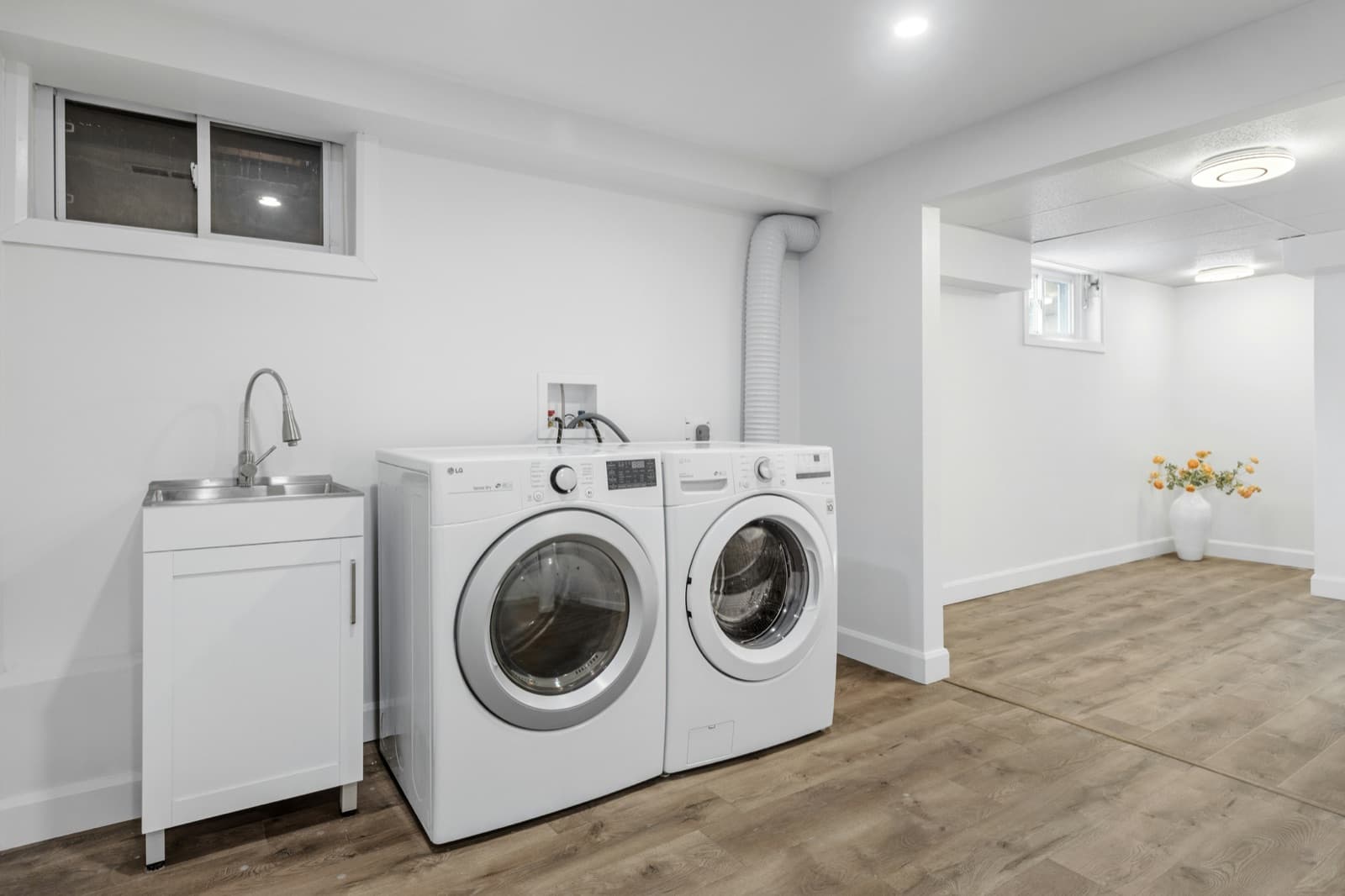
| Laundry room | Wet towels sit for days, dryer vent leaks |
| Garage | Pool floats, wet shoes, no conditioning |
| Game rooms converted from garages | Often under-insulated with cold spots and poor supply air |
Converted garage game rooms deserve their own mention. Many Four Corners homes have one, and the conversion often leaves a slab floor with minimal insulation, a single supply register and a door to the humid garage. They are among the most common problem rooms we assess in rental homes.
The turnover checklist
Your cleaning crew is in the house more than anyone. Give them a short list and a way to report.
- Note the humidity reading on a hygrometer in the main living area. Flag anything above 60 percent.
- Open the air handler closet. Look at the coil access panel, the drain line and the walls for staining or growth. Smell.
- Check the ceiling around every supply register for dark spots or dripping.
- Open every closet and look at the back wall and the ceiling corners.
- Pull back the shower curtain and look at the ceiling and the exhaust fan.
- Check under every sink and behind every toilet for dampness.
- Walk the garage and any converted room for odor.
- Confirm the thermostat setpoint and that the system is running on auto, not fan-on.
Photos of anything flagged go to the manager the same day. A dated photo log also becomes useful documentation if a problem develops.
Setting the thermostat for humidity, not savings
The single most effective change a rental owner can make is to control humidity between stays. Options, from simplest to most effective:
- Set the vacant thermostat no higher than 76 to 77 degrees so the AC still cycles enough to dehumidify.
- Use a thermostat that reads humidity and can run the system to a humidity setpoint.
- Add a whole-house dehumidifier tied into the air handler, which removes moisture without overcooling.
- Install a remote humidity sensor so the manager sees the reading without a site visit.
- Replace "fan on" with "fan auto" everywhere; constant fan operation re-evaporates water off the coil back into the house.
A dehumidifier that holds the house at 50 percent while vacant usually costs less to run than the AC fighting humidity by overcooling during the next stay.
Guest complaints: respond like a professional
A review that says "musty" or "smelled like mildew" costs more than an inspection. When a guest reports an odor:
- Thank them and have someone check the air handler, bathrooms and closets the same day.
- Do not mask the odor with sprays or plug-ins. It hides the symptom and irritates the next guest.
- If the odor persists or anything is visible, schedule a comprehensive mold assessment before the next check-in.
- Keep the report. It documents the condition of the home on a specific date, which is useful if a guest later claims a health issue.
An indoor air quality and allergen test can also support marketing claims honestly. Advertising an allergy-friendly home is reasonable if you have independent sampling to back it up.
Why independence matters for rental owners
Rental owners are a target for "free mold inspection" offers from companies that also sell remediation. UES is licensed to assess only; we do not perform remediation, do not dry buildings and do not accept referral fees. When the report says the air handler closet needs attention and the rest of the house is fine, that is because it is, not because a crew needs work. Results are delivered in the UES Client Portal, where your manager can access the protocol, the vetted remediator list and the Remediation Tracker from anywhere.
When to call UES
Call when a guest reports an odor, when your cleaners flag staining or humidity, when you are buying a rental home, or when you want a baseline assessment to document the home's condition before the busy season. We serve Kissimmee, Clermont, Orlando and vacation rental areas across Florida.
Book an assessment online or call (407) 438-4684, Monday through Friday, 9:00 AM to 5:30 PM.
Related reading:
Frequently asked questions
Why do vacation rentals get mold more often than regular homes?
Guests run the air conditioning very cold and leave doors to the pool open, then the home sits empty for days with the thermostat set high. The result is repeated condensation during stays and high humidity between them. Add many showers, wet towels and pool traffic, and a rental sees more moisture load than a typical household.
A guest complained about a musty smell. What should I do first?
Have your cleaner or manager check the air handler closet, the bathrooms and the closets the same day, and check the thermostat and humidity reading. If the odor persists or anything is visible, book an independent assessment before the next check-in. Guest complaints about odor are often the first sign of a moisture problem that has been building for weeks.
Should I test a vacation rental for mold before buying it?
Yes, particularly in the Four Corners and Kissimmee areas where many homes have been rentals for years. A pre-purchase assessment with moisture mapping and air sampling tells you whether the home has a humidity history and whether the air handler, closets and bathrooms are clean before you put guests in it.
Worried about what you just read?
An independent UES assessment tells you exactly what is going on, what caused it and what to do next. Book online or call.