What a mold inspection covers in Daytona Beach beachside condos, from salt air and shared HVAC to stacked plumbing, and how Volusia County owners use it.
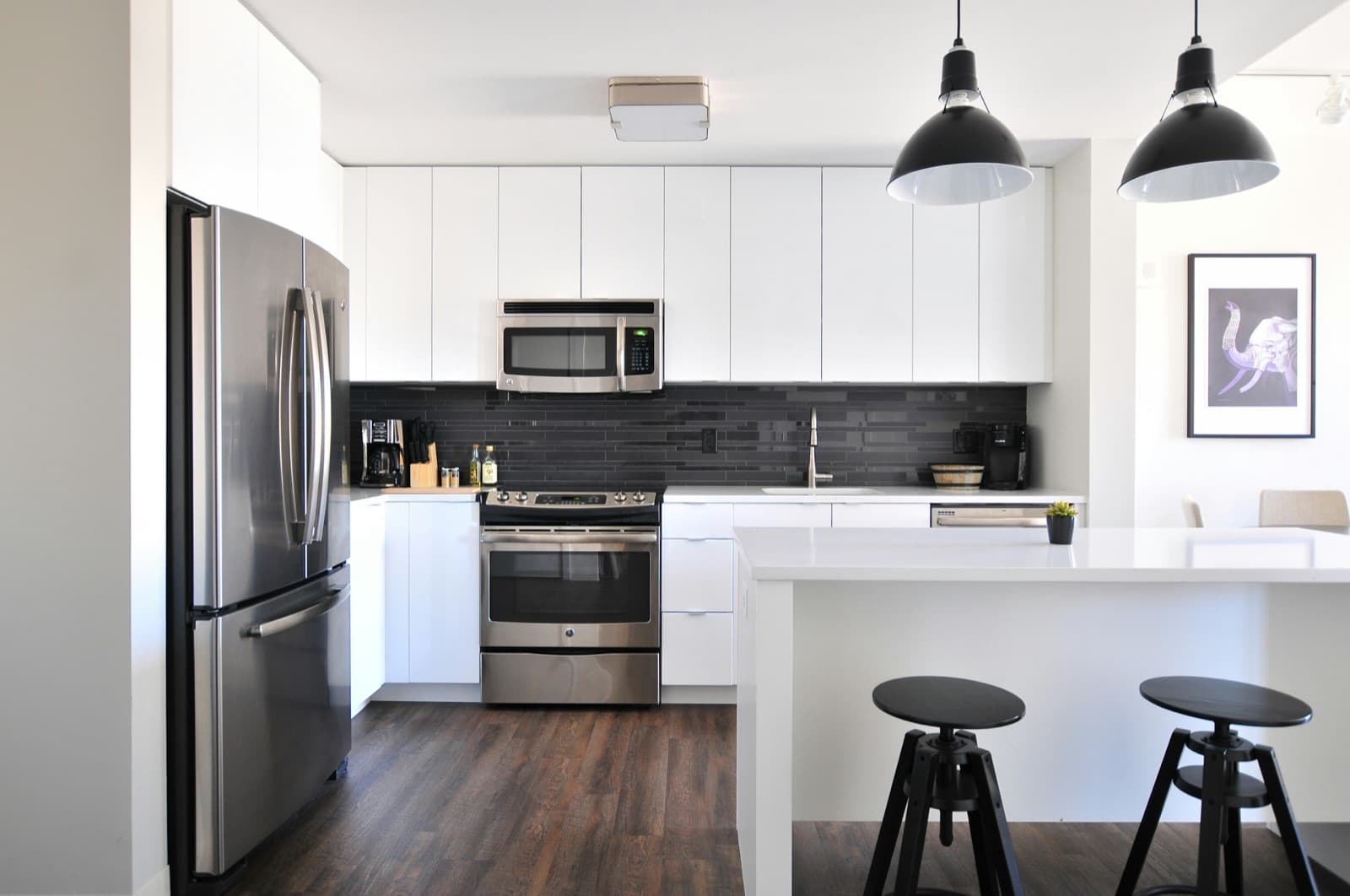
Beachside Daytona Beach is a narrow barrier island between the Atlantic and the Halifax River, and nearly every building along A1A from Ormond Beach down through Daytona Beach Shores is a condominium. Unit owners here deal with a combination few inland homeowners face: salt air that corrodes everything, hurricane exposure from both the ocean and the river, shared HVAC and plumbing systems and a mix of full-time residents, seasonal owners and short-term renters. When a musty odor or a ceiling stain appears, figuring out where it came from and who is responsible is as much of a challenge as fixing it.
This guide explains what a mold inspection covers in a beachside condo, the specific moisture paths these buildings create and how owners and associations use an independent report.
The direct answer
A mold inspection in a Daytona Beach beachside condo should be conducted by a Florida-licensed mold assessor who does not perform remediation. It includes a visual inspection of the unit and its boundaries, moisture meter and thermal imaging work on exterior walls, ceilings and around plumbing chases, an evaluation of the unit's HVAC and condensate system, air and surface samples analyzed by an independent accredited laboratory and a written protocol if growth is found. The report documents the moisture source and path so the owner and association can resolve responsibility with data.
How moisture gets into a beachside condo
Exterior wall and window assemblies
Beachside buildings take wind-driven rain from the ocean side and the river side. Sliding glass doors and windows with salt-corroded tracks, failed sealant and worn weep systems let water into the wall cavity below. Stucco cracks and failed expansion joints on older buildings do the same. Water that enters a wall at one floor can travel down to the unit below.
Shared plumbing
Stacked units share supply and drain risers. A leak at a fitting, a failed shower pan or an overflowing tub two floors up appears as a ceiling stain in your bathroom. Condensate from a neighbor's air handler that drains improperly wets your ceiling. These leaks are intermittent and hard to trace from inside a single unit.
HVAC and condensation
Most units have their own air handler in a closet, often with a condensate line that runs a long way to a drain. Clogs are common. Cold supply air meeting humid beach air condenses at registers and on the plenum. Older buildings with chilled water systems have insulated piping that sweats when insulation fails. Tightly sealed units with limited fresh air hold humidity from showers and cooking.
Salt air and corrosion
Salt accelerates the failure of every metal component: window and slider hardware, fasteners in flashing, AC coils and cabinets, door thresholds and balcony railings anchored into the slab. Corrosion opens paths for water and shortens the life of the systems that control moisture.
Seasonal and rental occupancy
Many beachside units are occupied part of the year or rented weekly. Thermostats set high during vacancies let humidity climb, closets with no airflow grow mold and small leaks go unnoticed for weeks. Guests leave sliders open to the balcony, flooding the unit with ocean air.
Hurricanes and flooding
Tropical systems bring wind-driven rain to every opening, sometimes for a day or more, and the river side of the island can flood during surge. Ground-floor units, parking garages and lobbies take water. Power loss leaves units closed and humid for days.
What the inspection covers in a condo
- Interview and history. Odors, stains, prior leaks, HVAC service, association notices about building work or neighboring leaks.
- Unit boundaries. Exterior walls, windows and sliders, the ceiling, floors and any shared chases are inspected visually and metered for moisture. Thermal imaging shows wet areas inside walls and ceilings and cool, sweating pipes or ducts.
- HVAC. Air handler closet, plenum, visible ductwork, condensate drain and the condition of insulation.
- Interior rooms. Closets, cabinets, bathrooms, laundry and behind furniture against exterior walls.
- Sampling. Spore trap air samples compared with an outdoor control taken on the balcony or at the building exterior, surface samples of visible growth, analyzed under chain of custody by an independent accredited laboratory.
- Reporting. A moisture map, photographs, lab data and a remediation protocol if growth is confirmed, delivered through the UES Client Portal with a vetted remediator list, Remediation Tracker and optional post-remediation verification.
Common findings in beachside condos
| Location | Finding | Likely source |
|---|---|---|
| Ceiling below a bathroom | Stain, growth on drywall | Riser or shower pan leak in unit above |
| Wall below slider | Soft drywall, growth at base | Failed slider track, sealant or weep |
| Air handler closet | Growth on plenum and drywall | Condensate clog or plenum sweating |
| Exterior wall closet | Growth behind stored items | Humid air against cool wall, no airflow |
| Around registers | Dark halos | Duct boot condensation |
| Ground-floor unit | Growth at base of walls | Flooding or slab moisture |
Why independence matters in condo disputes
Mold in a condo almost always raises the question of who pays. The association, the unit owner, the neighbor above and sometimes an insurer each have a stake. Florida licenses mold assessors and mold remediators separately through the DBPR, and the law keeps those roles apart. UES assesses, tests and diagnoses only. We never perform remediation or accept referral fees, so the report describes the moisture source and path without any interest in the size of the repair. Associations and owners in Volusia County use that neutrality to apply their governing documents to facts rather than to competing opinions.
When unit owners and associations should book
- A stain or odor that appears without a leak inside the unit.
- A neighbor's reported leak, flood or remediation.
- Growth in closets or around registers after a seasonal absence.
- A dispute between an owner and the association about cause or scope.
- Storm intrusion, surge or extended power loss.
- Purchase of a beachside unit where you want documented conditions before closing.
- Completed remediation that needs clearance before the unit is reoccupied or rented.
A comprehensive mold assessment covers most of these. When water from above or outside is the obvious cause, a water intrusion and damage assessment traces the path. When the complaint is about the air rather than visible growth, indoor air quality and allergen testing measures spores, allergens and chemical compounds directly.
When to call UES
UES assesses beachside condos, inland homes and commercial properties from Daytona Beach to Ormond Beach, Port Orange, New Smyrna Beach, DeLand and Deltona. If your unit has an odor or stain you cannot explain, if a neighbor's leak has reached you or if your association needs independent documentation, book an assessment online or call (407) 438-4684. Our Daytona Beach service area page has more on how we serve Volusia County.
Related reading
Frequently asked questions
Who is responsible for mold in a Daytona Beach condo, the owner or the association?
It depends on where the moisture came from and what the governing documents say. Water from a common element such as the roof, exterior wall or a shared riser typically falls on one side, while a unit's own appliance or fixture falls on the other. An independent assessment documents the source and the path so the parties can apply their documents to facts. Consult an attorney for the legal question.
Can a mold inspection be done in a beachside condo while the unit is occupied or rented?
Yes. Most condo inspections take two to three hours. We coordinate with owners, managers and tenants, and for seasonal owners we arrange access through the association or a local contact. Results post to the UES Client Portal, and the owner controls what is shared.
Does salt air really cause mold inside a condo?
Not directly, but it accelerates the failures that let water in. Salt corrodes window and slider hardware, flashing, fasteners and HVAC components, which creates leaks and condensation problems. Beachside buildings also live in more humid air than inland Volusia County, so any ventilation shortfall shows up faster.
Worried about what you just read?
An independent UES assessment tells you exactly what is going on, what caused it and what to do next. Book online or call.