What a mold inspection in Sanford and Lake Mary, FL covers, from historic downtown homes and Lake Monroe waterfront to Seminole County subdivisions.
Sanford and Lake Mary sit side by side on the south shore of Lake Monroe, yet they could not look more different. Sanford's downtown is a grid of late 1800s and early 1900s brick storefronts and frame houses with porches and crawl spaces. Lake Mary is subdivisions, townhomes and office parks built mostly since the 1980s along I-4. A mold inspection in Seminole County has to be ready for both, and the moisture problems in each follow their own logic.
This guide explains what an inspection involves in Sanford and Lake Mary, the local conditions that cause most of the problems we document and when testing makes sense.
The direct answer
A mold inspection in Sanford or Lake Mary should be conducted by a Florida-licensed mold assessor who does not sell remediation. It includes a full visual inspection, moisture meter and thermal imaging work to locate the water source, air and surface samples analyzed by an independent accredited laboratory and a written protocol if growth is found. In the historic district, expect attention on crawl spaces and plaster. In newer Lake Mary and Heathrow homes, expect attention on the HVAC system, closets and window installations.
Seminole County's two housing worlds
Historic Sanford
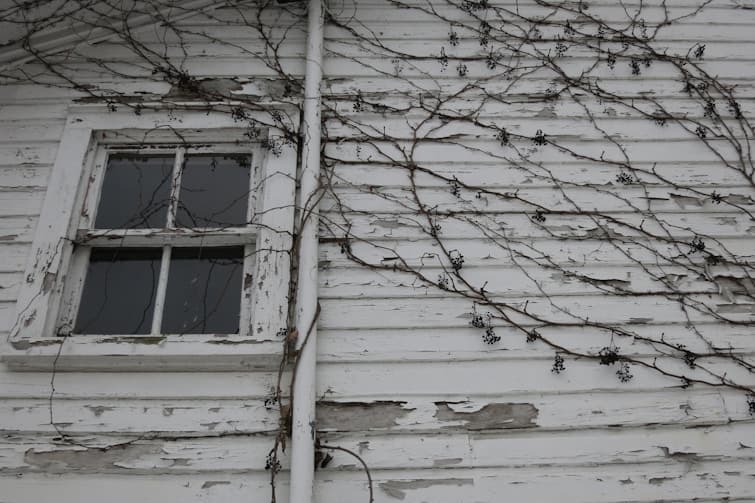
The Sanford Historic District and the surrounding older neighborhoods near Lake Monroe and the RiverWalk include Victorian, Craftsman and Frame Vernacular homes, many on brick piers with open or partially enclosed crawl spaces. Original heart pine floors, plaster and lath walls, double-hung wood windows and generations of additions are common. Moisture rises from the crawl space, water sits in plaster long before a stain shows and additions leak where they meet the original structure. Many of these homes have been renovated with modern finishes that hide what is behind them.
Lake Mary, Heathrow and the I-4 corridor
Lake Mary, Heathrow and the newer sections toward Longwood and Winter Springs are mostly slab-on-grade block and frame homes with central air, tight envelopes and attic ductwork. Townhome communities add shared walls and roofs. Problems here are condensation at supply registers, air handler closets that sweat, closets with little airflow and storm intrusion at window installations and roof penetrations.
Lakefront and riverfront
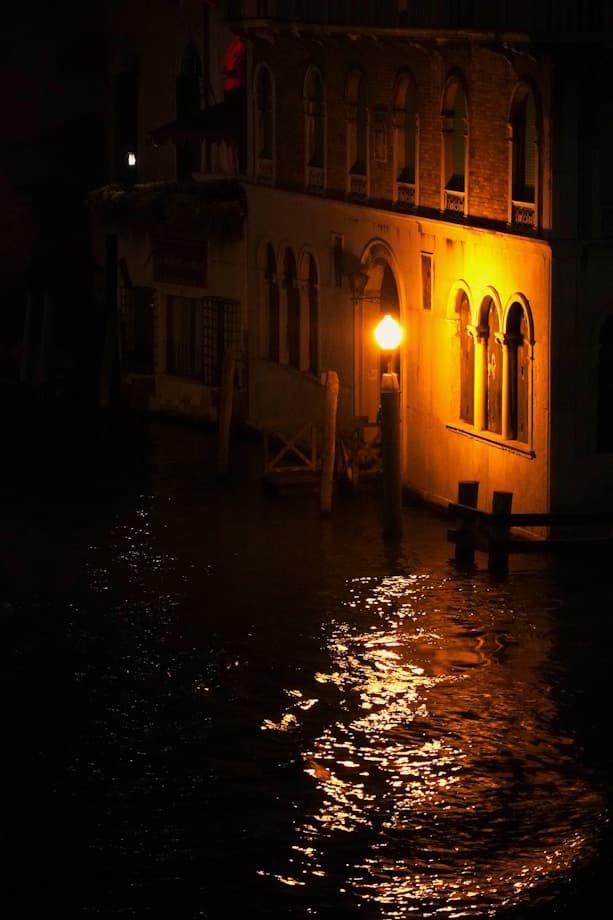
Homes along Lake Monroe, the St. Johns River toward DeBary and the smaller lakes scattered through Seminole County live in a more humid microclimate with morning fog, high water tables and large glass walls facing the view. Enclosed porches and docks add moisture, and the lake-facing wall takes the brunt of storms.
Climate drivers in Sanford and Lake Mary
Seminole County shares the Central Florida pattern of long humid summers, afternoon thunderstorms from June through September and tropical systems that cross the peninsula with sustained wind-driven rain. Air conditioning runs most of the year, and the gap between cold supply air and humid indoor air produces condensation at registers and plenums. Lake Monroe and the St. Johns River add local humidity for homes near the water. Older homes without vapor barriers see slab and crawl space moisture rise continuously, and mature tree canopy in the historic neighborhoods keeps roofs and walls shaded and slow to dry.
What the inspection covers
- Interview. Odors, leaks, renovations, occupancy patterns, symptoms.
- Exterior. Grading, downspouts, siding or stucco, roof edges, window seals, crawl space vents, AC condensate discharge.
- Crawl space or slab. In pier homes, the assessor enters or inspects the crawl space for standing water, wet soil, damaged vapor barrier and growth on joists. In slab homes, flooring is checked for signs of vapor from below.
- Interior visual inspection. All rooms, closets, cabinets, the garage and attic access, with photos.
- Moisture and thermal mapping. Pin and pinless readings in drywall, plaster, trim and flooring. Thermal imaging to find wet insulation, cool duct runs and hidden intrusion behind renovated finishes.
- Sampling. Spore trap air samples compared with an outdoor control, surface samples of visible growth, all sent under chain of custody to an independent accredited laboratory.
- Reporting. Results, moisture map, photographs and any remediation protocol delivered through the UES Client Portal with a vetted remediator list and the Remediation Tracker.
Common findings in Seminole County
| Home type | Frequent finding | Root cause |
|---|---|---|
| Historic Sanford | Musty floors, growth at wall base | Crawl space moisture, no vapor barrier |
| Historic Sanford | Hidden growth behind new drywall | Renovation over wet plaster or framing |
| Lake Mary subdivision | Halos at registers, closet growth | Duct condensation, high humidity |
| Lake Mary townhome | Growth at shared wall or ceiling | Neighbor's leak, shared attic moisture |
| Lakefront | Growth on enclosed porch wall | Lake humidity, unconditioned enclosure |
| Any | Air handler closet growth | Plenum sweating, clogged condensate line |
Why independence matters here
Sanford and Lake Mary have an active renovation and remediation market, and many companies offer free mold inspections as a path to selling removal work. Florida licenses mold assessors and mold remediators separately through the DBPR, and the law keeps the roles apart. UES assesses, tests and diagnoses only. We never remediate and never accept referral fees from contractors, so the scope in your report reflects the building, not a sales target. In a historic home where the difference between "replace this wall" and "dry this wall" can mean losing original materials, that neutrality matters.
When to book
- Musty odor with no visible source, especially in a pier-and-beam home.
- Any leak, overflow or storm intrusion in the past year.
- A recent renovation of an older home where the condition behind the new finishes is unknown.
- Soft flooring, cupped heart pine, bubbling paint or swollen trim.
- Buying or selling in Sanford, Lake Mary, Longwood or Altamonte Springs and wanting documented conditions.
- Household symptoms that improve away from home. Speak with a physician, and have the home tested so both conversations have data.
- Completed remediation that needs post-remediation verification.
A comprehensive mold assessment covers most of these. When the cause is clearly water, a water intrusion and damage assessment concentrates on the leak path. When the question is about the air more than visible growth, indoor air quality and allergen testing measures spores, allergens and chemical compounds directly.
Preparing for the visit
Run the AC normally for a day beforehand. Leave suspected areas uncleaned. Clear access to closets, the air handler, under-sink cabinets, the attic hatch and the crawl space entry. Gather prior reports, renovation records and photos of past leaks.
When to call UES
UES serves Sanford, Lake Mary, Longwood, Altamonte Springs, Oviedo, Winter Springs and DeBary, and we have assessed Seminole County homes since 2000. If your home has an odor you cannot trace, a leak that may not have dried or a renovation that covered unknown conditions, book an assessment online or call (407) 438-4684. Our Sanford service area page has more on how we serve Seminole County.
Related reading
Frequently asked questions
Is a mold inspection different for a historic Sanford home than for a Lake Mary subdivision home?
The process is the same, but the focus shifts. In a historic home the assessor spends more time on the crawl space, plaster walls, original windows and additions. In a newer Lake Mary home the attention goes to the air handler, duct condensation, closets and window installations. Both get moisture mapping, thermal imaging and lab sampling.
How long does a mold inspection take in Seminole County?
Most single-family inspections take two to three hours on site. Larger homes, properties with crawl spaces and townhomes with shared-wall concerns can take longer. The independent laboratory typically returns results within a few business days, and the full report posts to the UES Client Portal.
Can UES inspect a townhome or condo in Lake Mary?
Yes. Shared walls, shared attic spaces and stacked plumbing in attached housing create moisture paths from one unit to another. We assess the unit, document conditions at shared boundaries and provide a report that owners and associations can use to sort out responsibility.
Worried about what you just read?
An independent UES assessment tells you exactly what is going on, what caused it and what to do next. Book online or call.