How Orlando's humidity, thunderstorms and year-round air conditioning affect indoor air quality, and what Orange County homeowners can measure and control.

Orlando's weather is famous for a reason. Afternoon storms roll in on schedule from late spring through early fall, the air outside feels like a warm towel, and inside most homes the air conditioner barely rests. That combination shapes indoor air quality in Orange County more than any other single factor, and understanding it is the first step toward a healthier house.
This guide covers how Orlando humidity gets into your home, why it matters for the air you breathe, what you can measure yourself and when professional indoor air quality testing is the right next step.
The direct answer
Orlando indoor air quality problems are, in most cases, moisture problems. Elevated indoor humidity feeds mold and dust mites, encourages condensation on cold surfaces, and raises the concentration of odors and volatile compounds that materials release. Control the humidity, keep it consistently under 60 percent, and most of the air quality complaints we hear about from Baldwin Park to Dr. Phillips become far easier to solve.
How humidity gets inside an Orlando home
Humid outdoor air does not need an open door to come in. It arrives through several routes that are common across Central Florida housing:
- Infiltration through the envelope. Gaps around windows, doors, recessed lights and plumbing penetrations let outdoor air leak in. Older block homes in Audubon Park and Colonialtown have plenty of them.
- Attic air pulled through leaky ducts. Return ducts in a hot, humid attic draw moist air into the system every time the fan runs. This is a frequent issue in 1980s and 1990s homes around MetroWest and the east side of town.
- Occupant activity. Showers, cooking, laundry and even breathing add moisture. A bathroom fan that vents into the attic rather than outdoors makes the attic the wet room.
- Slab moisture. Florida slabs sit close to a high water table. Vapor moves up through the concrete and into flooring, especially under vinyl, laminate or carpet pads in homes built before modern vapor barriers were standard.
- Storm intrusion. Wind-driven rain during summer storms and tropical systems gets behind stucco cracks, around window frames and under roof flashing. The water may dry on the surface while the wall cavity stays wet.
Why Orlando's air conditioning is both the cure and the cause
Your AC removes humidity as a side effect of cooling. Warm, moist indoor air passes over a cold coil, water condenses and drains away. For this to work well, the system has to run long enough for the coil to stay cold and wet for a sustained stretch.
Here is where Orlando homes run into trouble. A system sized for the hottest August afternoon is oversized for the other 300 days. It satisfies the thermostat in ten minutes and shuts down before meaningful dehumidification happens. The house is cool but clammy. Seasonal residents and vacation rental owners in the Lake Nona and Windermere areas who set the thermostat to 80 or higher while away make it worse: the system runs rarely, humidity climbs and closets, cabinets and furniture backs grow a fine film of mold.
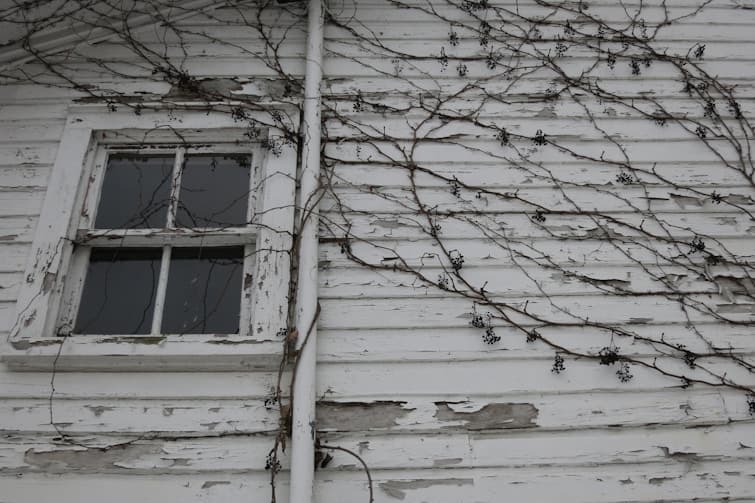
The second AC issue is condensation at the supply side. Cold air leaving a register chills the metal boot and the drywall around it. When indoor humidity is high, that cold surface reaches its dew point and sweats. The dark halo you see around a ceiling register in so many Orlando homes is a humidity signal, not a dust problem.
What poor indoor air quality looks like in Orange County homes
The EPA notes that people spend roughly 90 percent of their time indoors and that indoor pollutant levels are often two to five times higher than outdoor levels. In Orlando, the pollutants that most often drive complaints are:
| Pollutant | Common Orlando source | What it tends to cause |
|---|---|---|
| Mold spores | Humidity, AC condensation, leaks | Musty odor, allergy-type symptoms |
| Dust mite allergens | Humidity above 50 percent in bedding and carpet | Nighttime congestion, asthma triggers |
| VOCs and formaldehyde | New construction, new furniture, renovation | Headaches, eye and throat irritation |
| Fine particulates | Cooking, candles, outdoor smoke, dirty filters | Respiratory irritation |
| Combustion gases | Attached garages, gas appliances | Headaches, fatigue (test and consult a physician) |
Symptoms that improve when you leave the house and return when you come home are worth taking seriously. Talk with your physician about the symptoms, and have the home evaluated so both conversations are informed by data.
What you can measure yourself
You do not need a lab to get started. A few inexpensive tools give you a clear picture of how your home behaves through an Orlando week:
- A digital hygrometer in two or three rooms. Check readings morning and evening. Anything consistently above 60 percent is a problem; readings above 55 percent in bedrooms deserve attention because of dust mites.
- A look at your supply registers. Beads of water or dark staining on the drywall around them means the surface is reaching dew point.
- Your AC run time. If the system cycles on and off every few minutes on a hot afternoon, it is likely oversized or short-cycling and not dehumidifying well.
- Window condensation in the morning. Interior condensation on single-pane windows in Conway or Pine Hills homes points to high indoor humidity overnight.
- Closet and cabinet smells. Open a closet that has been shut for a week. A musty hit means moisture is accumulating in enclosed spaces.
These observations will not tell you what is in the air, but they tell you whether the conditions for a problem exist.
When professional testing adds value
Home measurements show humidity. They cannot show whether mold is actively growing behind a wall, what species are present, or whether a formaldehyde or VOC source is responsible for a headache that will not go away. That is where indoor air quality and allergen testing comes in. An assessor collects air samples under chain of custody for an independent accredited lab, measures moisture in building materials, uses thermal imaging to locate wet or cold areas and compares indoor spore levels against an outdoor control.
If the data points to growth, a comprehensive mold assessment maps the extent and produces a protocol. For stubborn odors that do not behave like mold, our building forensics and specialized diagnostics work isolates the source, whether it is a sewer gas path, a chemical off-gassing issue or a hidden moisture reservoir.
Because UES assesses and tests only and never performs remediation, the recommendations in your report are not tied to selling you any repair. That independence is especially useful in a market like Orlando, where the volume of remediation marketing can make it hard to know whose advice to trust.
Practical humidity control for Orlando homes
- Set the thermostat no higher than the mid-70s when away for extended periods, or use a humidity-controlled setting if your thermostat supports it.
- Have ductwork inspected for leaks, particularly return ducts in the attic.
- Confirm bathroom and dryer vents terminate outdoors.
- Keep closet doors slightly open or add louvered doors to improve airflow.
- Consider a whole-house or portable dehumidifier for the June through September stretch if the AC cannot hold humidity below 60 percent on its own.
- Address stucco cracks and window seals before hurricane season.
When to call UES
If your Orlando home feels clammy, smells musty or is making someone in the household feel worse at home than away, measuring humidity is a good first step and professional testing is the second. UES has served Orange County since 2000, and our assessors are in Orlando every week. Book an assessment online or call (407) 438-4684, and see our Orlando service area page for more on how we work locally.
Related reading
Frequently asked questions
What indoor humidity should an Orlando home maintain?
Aim to keep indoor relative humidity below 60 percent, and ideally between 30 and 50 percent. In Orlando that usually means the air conditioner has to run long enough to dehumidify, not just cool, and some homes need a dedicated dehumidifier during the wettest months to hold that range.
Why does my Orlando home feel clammy even with the AC on?
A system that is oversized for the home cools the air quickly and shuts off before it removes much moisture. Leaky ductwork in a hot attic, an open return path to the garage or a thermostat set very high while you are away can produce the same clammy feeling. Measuring humidity over several days is the fastest way to confirm the pattern.
Can indoor air quality testing tell me whether humidity has caused mold?
Testing can show whether airborne spore levels indoors are elevated compared with outdoors and which types are present, which is a strong indicator of hidden growth. Paired with moisture readings and humidity data, it tells you whether the problem is active and where to look, rather than leaving you guessing.
Worried about what you just read?
An independent UES assessment tells you exactly what is going on, what caused it and what to do next. Book online or call.