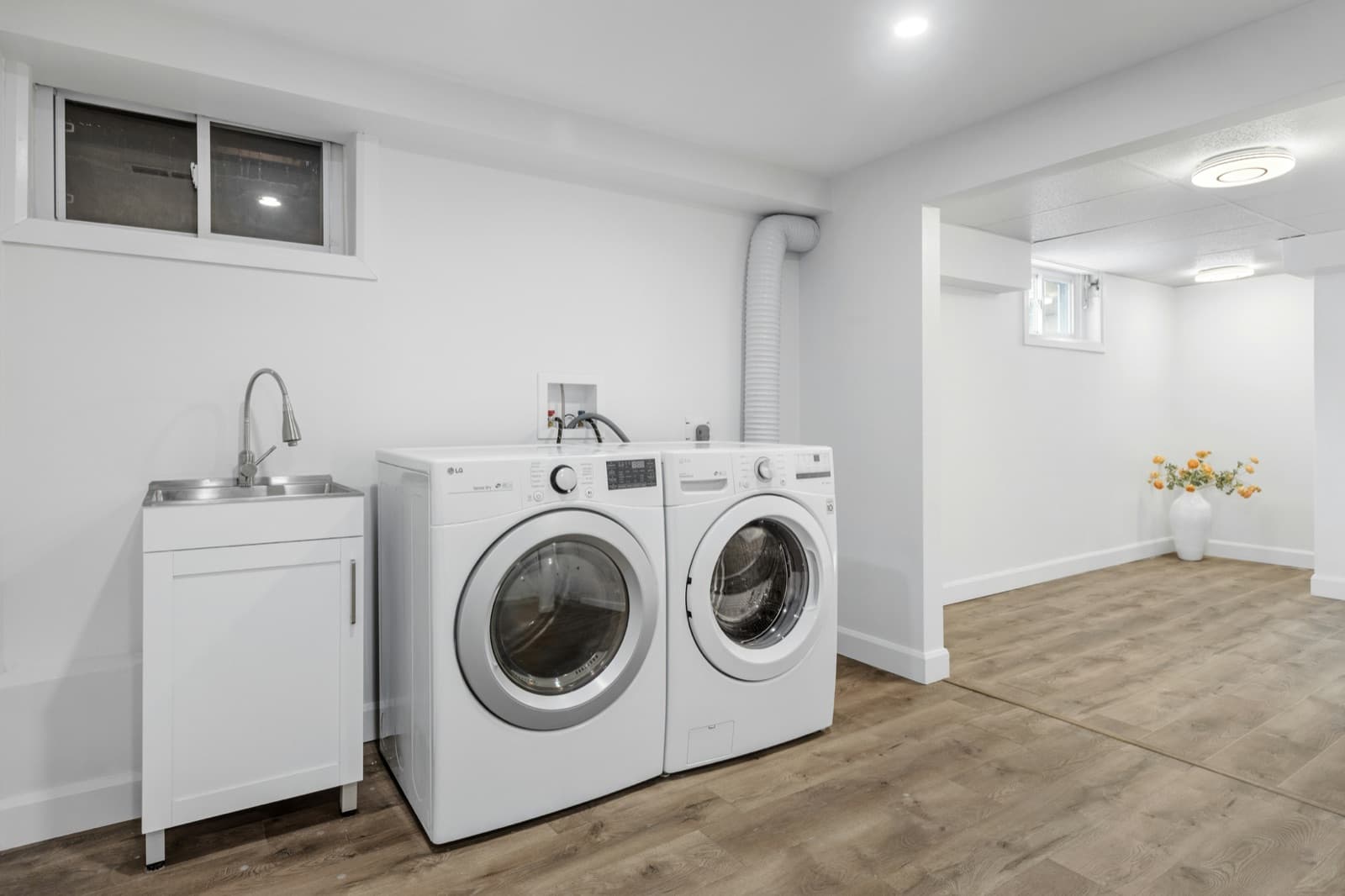
What an independent mold inspection in Orlando involves, how Orange County humidity, air conditioning and storms shape mold risk, and when testing makes sense.
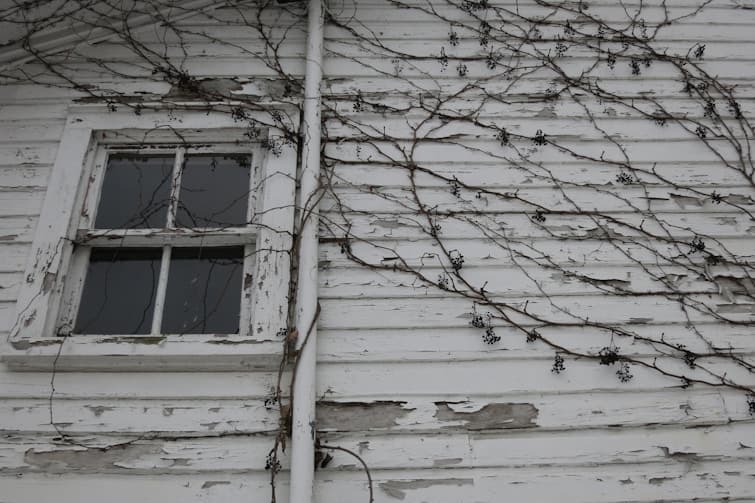
A musty smell in the hallway closet, a gray shadow at the edge of a supply register, or a stain that reappears on the ceiling after every afternoon storm: these are the moments Orlando homeowners start searching for a mold inspection. Orange County's climate makes moisture problems routine rather than rare, and the hard part is figuring out whether what you are seeing is cosmetic or the surface of something larger.
This guide explains what a professional mold inspection in Orlando actually involves, which local conditions drive most of the problems we document, and how to tell a real assessment from a sales call.
The short answer
A mold inspection in Orlando should be performed by a Florida-licensed mold assessor who does not also sell remediation. It should include a visual inspection of the whole home, moisture readings and thermal imaging to find the water source, air and surface samples analyzed by an independent accredited lab, and a written report that tells you exactly what to fix and how. If any of those pieces are missing, you are not getting a complete picture.
Why Orlando homes grow mold
Orlando sits in the middle of the state, far enough from both coasts to miss the sea breeze but close enough to catch every tropical system that crosses the peninsula. The result is a long, humid summer, near-daily thunderstorms from June through September and air conditioning that runs most of the year.
Those conditions create a few recurring patterns across Orange County:
- Condensation at supply registers and in air handler closets. Cold supply air meets humid indoor air, the metal boot sweats and the drywall around the register stays damp. We see this in College Park bungalows and brand-new Lake Nona builds alike.
- Oversized or short-cycling AC systems. A unit that cools the house quickly but never runs long enough to pull moisture out leaves indoor humidity above 60 percent, which is enough for growth on closet contents, furniture backs and bathroom ceilings.
- Roof and window intrusion after storms. Older block homes in Conway, Azalea Park and Pine Hills often have original windows and aging roof penetrations. Wind-driven rain finds those gaps and soaks insulation and drywall that may not show a stain for weeks.
- Plumbing and slab leaks. Most Orlando homes sit on a slab. A pinhole leak in a supply line under the kitchen can wet the base of a wall for months before anyone notices the baseboard swelling.
- Tightly sealed new construction. Energy-efficient homes in Horizon West, Avalon Park and the Winter Garden corridor hold conditioned air well, but they also hold moisture and construction off-gassing when ventilation is inadequate.
Each of these leaves a different signature, and a good inspection is designed to read those signatures rather than simply confirm that mold exists.
What a thorough Orlando mold inspection includes
Forensic visual inspection
The assessor walks every room, the garage, the attic access and the exterior. They are looking at the building the way a water drop would travel through it: where the roofline drains, where the AC condensate line terminates, where the grade slopes toward the slab. Stains, staining patterns, peeling paint and swollen trim all get documented with photos.
Moisture source detection
This is the step that separates an assessment from a glance. Pin and pinless moisture meters measure how wet the drywall, trim and subfloor actually are. A thermal imaging camera shows temperature differences that often reveal wet insulation behind a wall or a cold, sweating duct in the ceiling before any stain appears. If the source is not found, the mold comes back after remediation, so this step gets most of the time on site.
Air and surface sampling
Spore trap air samples are collected indoors and compared against an outdoor control taken the same day. Surface samples, usually tape lifts or swabs, confirm what a visible growth actually is. Everything goes to an independent accredited laboratory under chain of custody. UES does not run its own lab, which keeps the analysis separate from the people who collected the samples.
Written protocol and the Client Portal
When growth is confirmed, the report includes a remediation protocol: which materials to remove, how far beyond the visible growth to cut, what containment is needed and how the work should be verified. You receive everything through the UES Client Portal, which includes interactive findings, the digital protocol, a list of vetted remediators and a Remediation Tracker to follow the job through to clearance.
Independence matters more in Orlando than you might think
Orlando has a large remediation market, and many companies offer "free mold inspections" as a path to selling removal work. Florida licenses mold assessors and mold remediators separately through the DBPR, and the law keeps those roles apart for a reason. When the person diagnosing the problem also profits from fixing it, the scope tends to grow. UES only assesses, tests and diagnoses. We do not remediate, and we do not accept referral fees from contractors, so our findings have one audience: you.
A quick comparison of common Orlando scenarios
| Situation | What we typically find | What the inspection should produce |
|---|---|---|
| Musty smell, nothing visible | Elevated humidity, growth inside closets or behind furniture | Humidity data, targeted samples, source recommendations |
| Stain around a ceiling register | Duct sweating or a disconnected boot | Thermal images, moisture readings, HVAC correction notes |
| Swollen baseboard, no leak known | Slab or supply line leak | Moisture map, plumbing referral, scope for drywall removal |
| Post-storm ceiling stain | Roof or flashing intrusion into attic insulation | Attic inspection, extent of wet insulation, protocol if growth present |
| Buying a home in Orange County | Deferred maintenance, prior water events | Baseline air data, documented conditions before closing |
When Orlando homeowners should book an inspection
Not every spot needs a lab. A small patch of growth on a shower caulk line, with no odor elsewhere and no moisture reading in the wall behind it, is a cleaning job. The situations below are different:
- You smell mold but cannot find it.
- There has been a leak, flood or roof intrusion in the past year, even if it "dried out."
- Someone in the home has allergy or respiratory symptoms that ease when they leave. Speak with a physician about the symptoms, and get the home assessed so the two conversations can inform each other.
- You are buying or selling a home in Winter Park, Dr. Phillips, Oviedo or anywhere in the metro and want documentation rather than assumptions.
- A remediation company has already quoted you work and you want an independent second opinion on the scope.
- Remediation is finished and you need post-remediation verification before you rebuild.
A comprehensive mold assessment covers the first five. If water is the obvious culprit, a water intrusion and damage assessment focuses the inspection on the leak path and the materials it affected. When the complaint is more about air than visible growth, indoor air quality and allergen testing measures what you are actually breathing.
Preparing for the visit
A few simple steps help the assessor get accurate data. Run the AC normally for at least 24 hours before the appointment so the humidity and spore conditions reflect how you live. Do not clean or spray suspected areas, since that destroys the evidence that tells us what is growing. Clear access to closets, the air handler, under-sink cabinets and the attic hatch. Have any prior reports, insurance paperwork or photos of past leaks ready to share.
When to call UES
UES has been assessing Orlando homes since 2000, and Orange County is our largest service market. If you are dealing with a persistent odor, a leak that may not have dried, or a stain that keeps returning, book an assessment online or call (407) 438-4684. Our team is in the Orlando area every week, and you can learn more about local scheduling on our Orlando service area page.
Related reading
Frequently asked questions
How long does a mold inspection in Orlando take?
Most single-family inspections in the Orlando area take two to three hours on site, depending on the size of the home and how many areas of concern there are. Lab results from the independent laboratory usually follow within a few business days, and the written report and protocol are delivered through the UES Client Portal once the data is reviewed.
Do I need a mold inspection if I can already see mold?
Visible growth tells you there is a problem, but not how far it extends, what is feeding it or whether the air in the rest of the home is affected. An inspection maps the moisture source and the full extent of the growth so a remediator has a clear scope to follow and you have a baseline to verify the work against later.
Is a mold inspection different from a home inspection?
Yes. A general home inspector looks at the overall condition of the property and may note visible staining. A licensed mold assessor focuses specifically on moisture and microbial growth, uses moisture meters and thermal imaging, collects samples under chain of custody and writes a remediation protocol if one is needed.
Worried about what you just read?
An independent UES assessment tells you exactly what is going on, what caused it and what to do next. Book online or call.