What a mold inspection in Ocala, FL involves, from historic district homes and well-water properties to new builds along the SR 200 corridor in Marion County.
Ocala is a different kind of Florida city. Rolling pasture, live oaks, horse farms on the northwest side, a downtown historic district with homes more than a century old and a fast-growing southwest corridor of new subdivisions all sit within Marion County's borders. That variety means mold problems here do not follow a single script, and a good mold inspection in Ocala has to account for which kind of property it is standing in.
This guide covers what an inspection involves, the moisture patterns we see most often across Marion County and how to decide whether your home needs testing.
The direct answer
A mold inspection in Ocala should be performed by a Florida-licensed mold assessor with no stake in remediation and should include a full visual inspection, moisture meter and thermal imaging work, air and surface sampling analyzed by an independent accredited laboratory, and a written protocol if growth is confirmed. In Marion County, the assessor should also pay attention to well equipment, slab moisture in older homes, crawl spaces in the historic district and off-gassing in new construction, because those are the local sources that most often drive complaints.
Ocala's housing stock and what each type tends to do
Historic district and older in-town homes
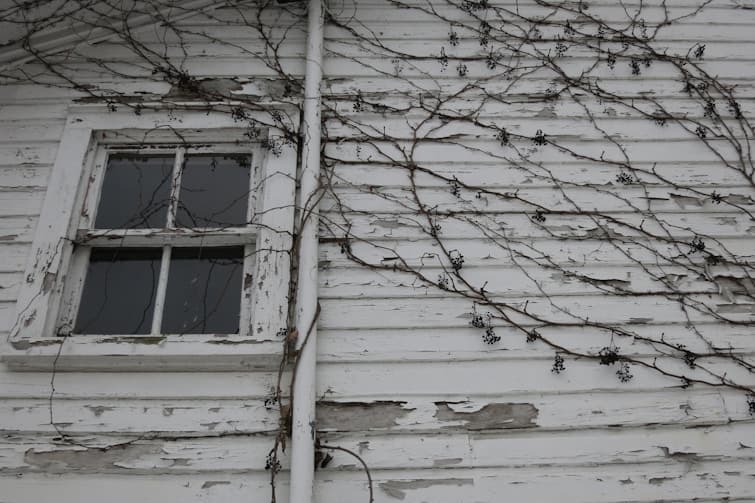
The neighborhoods around downtown Ocala, including the historic district east of the square, hold frame and brick homes from the late 1800s through the mid-1900s. Many sit on piers with crawl spaces, have original wood windows and plaster walls, and have been added onto several times. Crawl space moisture migrates into floors and wall bases. Plaster and lath hold water invisibly. Additions join at seams that leak.
Mid-century block homes
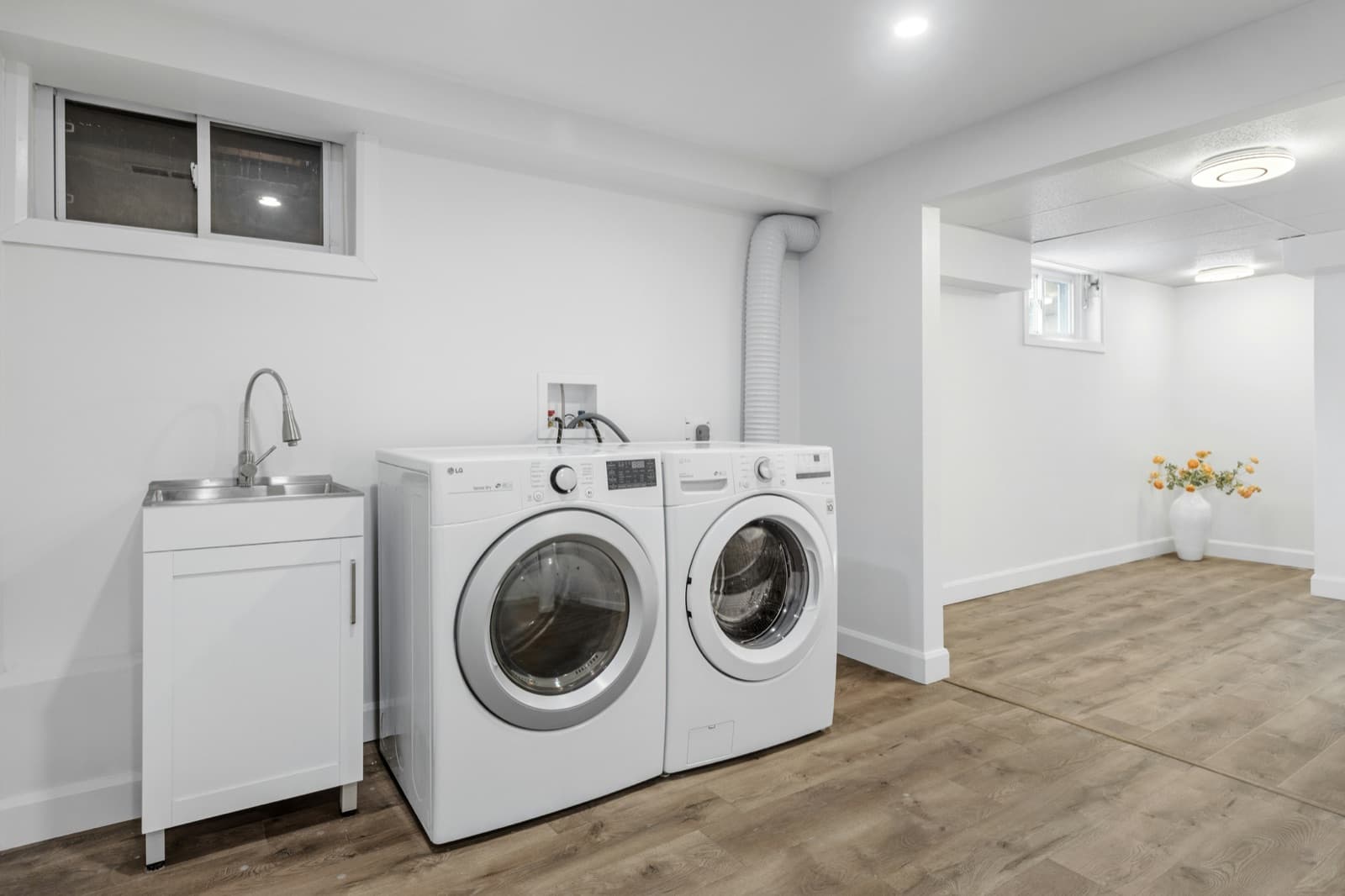
Block homes from the 1950s through the 1980s in neighborhoods toward Silver Springs and along the older corridors east and west of downtown typically have slab foundations without modern vapor barriers, original single-pane windows and older ductwork. Slab moisture under vinyl and laminate flooring, window condensation and duct sweating are the usual findings.
Southwest corridor new construction
The subdivisions along and south of State Road 200, and the large developments stretching toward Marion Oaks and Summerfield, are mostly tightly sealed, energy-efficient block or frame homes built within the past 15 years. Their issues are humidity from oversized AC systems, construction moisture trapped in the build, VOC and formaldehyde off-gassing from new finishes and occasional storm intrusion at window installations.
Rural and equestrian properties
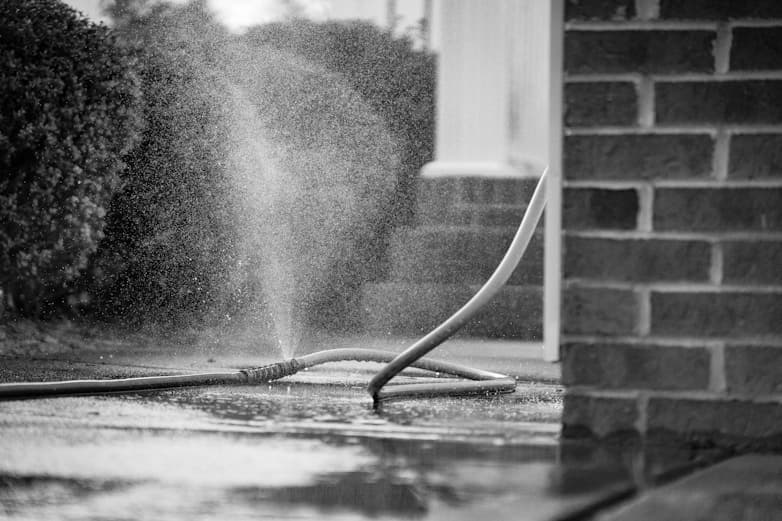
Homes on acreage toward Dunnellon, Ocklawaha and the northwest farm country often have private wells, septic systems, barns, workshops and guest apartments. Well pressure tanks and softeners leak slowly. Pole barns and metal-roofed outbuildings condense heavily. The main house may be fine while an attached garage or breezeway is not.
Manufactured homes
Marion County has many manufactured home communities, particularly in the Belleview and Summerfield areas. Belly board tears, marriage line leaks, window and door seal failures and roof-to-wall joints are the common intrusion points.
Climate drivers in Marion County
Ocala is far enough north and inland to have slightly cooler winters than Orlando, and clear nights in the pasture country produce heavy dew and morning fog. That matters in two ways. First, humid mornings load outdoor air with moisture that infiltrates homes. Second, cool nights followed by hot days create large daily temperature swings inside unconditioned spaces like garages, barns and lanais, which drives condensation on metal, concrete and glass.
Summer brings the same afternoon thunderstorm pattern as the rest of Central Florida, with heavy rain and wind that tests roofs and windows. Tropical systems crossing the peninsula bring sustained wind-driven rain. Air conditioners run from April through October at minimum, and homes that are conditioned unevenly, with a cold main house and a warm addition or garage, develop condensation at the boundary.
What the inspection covers
- History and interview. Odors, past leaks, well and septic equipment, renovations, how the home is occupied.
- Exterior and site. Grading, downspouts, stucco or siding condition, roof edges, well house and pressure tank area, AC condensate discharge.
- Interior visual inspection. Every room, closet, cabinet, garage, utility room and attic or crawl access, with photos.
- Moisture and thermal mapping. Pin and pinless meter readings in drywall, plaster, trim and flooring. Thermal imaging to locate wet insulation, cool duct runs and hidden slab moisture.
- Sampling. Spore trap air samples indoors against an outdoor control. Surface samples on visible growth. For new homes with chemical odors, VOC or formaldehyde sampling as part of indoor air quality and allergen testing. All samples travel under chain of custody to an independent accredited laboratory.
- Reporting. Findings, data, photographs and a remediation protocol if needed, delivered through the UES Client Portal with a vetted remediator list and Remediation Tracker.
Common Ocala findings
| Property type | Frequent finding | Root cause |
|---|---|---|
| Historic district | Growth at wall base, musty floors | Crawl space moisture |
| Mid-century block | Growth under laminate or vinyl | Slab vapor, no barrier |
| SR 200 new build | Closet growth, chemical odor | High humidity, off-gassing |
| Rural well property | Garage or utility room growth | Pressure tank or softener drip |
| Manufactured home | Soft floor, ceiling stain | Belly board or roof joint leak |
Why independence matters
Florida licenses mold assessors and mold remediators separately through the DBPR, and the law keeps those roles apart. UES assesses, tests and diagnoses only. We never perform remediation and never accept referral fees from contractors. For Ocala homeowners comparing a "free inspection" from a remediation company against an independent assessment, the difference is who benefits from a larger scope. Our report has one purpose: to tell you what the building needs.
When Marion County homeowners should book
- A musty odor without a visible source, particularly in older homes with crawl spaces.
- Any leak, overflow or storm intrusion in the past year, including well equipment leaks.
- Headaches or irritation in a newly built or newly renovated home. Speak with a physician about symptoms while the home is tested for both mold and chemical compounds.
- Soft flooring, cupped wood or lifting laminate with no obvious leak.
- Buying or selling a home in Ocala, Belleview or Dunnellon and wanting documented conditions.
- Completed remediation that needs post-remediation verification before rebuilding.
A comprehensive mold assessment covers most of these. When water is clearly the cause, a water intrusion and damage assessment focuses the inspection on the leak path and affected materials.
When to call UES
UES covers Ocala and all of Marion County, from the historic district to the equestrian country and the SR 200 corridor, for residential, equestrian and commercial properties. If your home has an odor you cannot place, a leak that may not have dried or a new-construction smell that will not fade, book an assessment online or call (407) 438-4684. Our Ocala service area page has more about how we serve Marion County.
Related reading
Frequently asked questions
Does well water affect mold risk in Ocala homes?
Indirectly, yes. Many Marion County homes rely on private wells, and the pressure tanks, softeners and filtration equipment that come with them are frequent sources of slow leaks in garages and utility rooms. Hard water scale can also hide drips at fittings. The water itself does not cause mold, but the equipment and the moisture it leaks do.
Do new homes in southwest Ocala really get mold?
They can. Tightly sealed new construction holds moisture from the build, from concrete curing and from occupants, and if the HVAC system is oversized or ventilation is limited, humidity stays high. We also see construction-phase water exposure in materials that were installed before the roof was dried in. New-home odors can be mold, off-gassing or both, and testing separates them.
How long does a mold inspection take in Ocala?
Most single-family inspections take two to three hours on site. Larger properties with barns, workshops or guest quarters take longer. Lab analysis by the independent laboratory usually adds a few business days before the full report and any protocol are posted to the UES Client Portal.
Worried about what you just read?
An independent UES assessment tells you exactly what is going on, what caused it and what to do next. Book online or call.