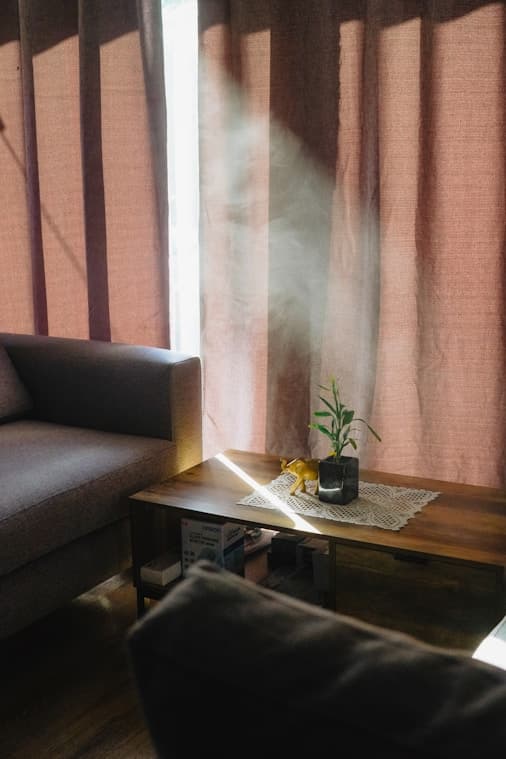
Where formaldehyde hides in new Florida homes and furniture, how heat and humidity speed off-gassing, and how indoor air testing measures your exposure.
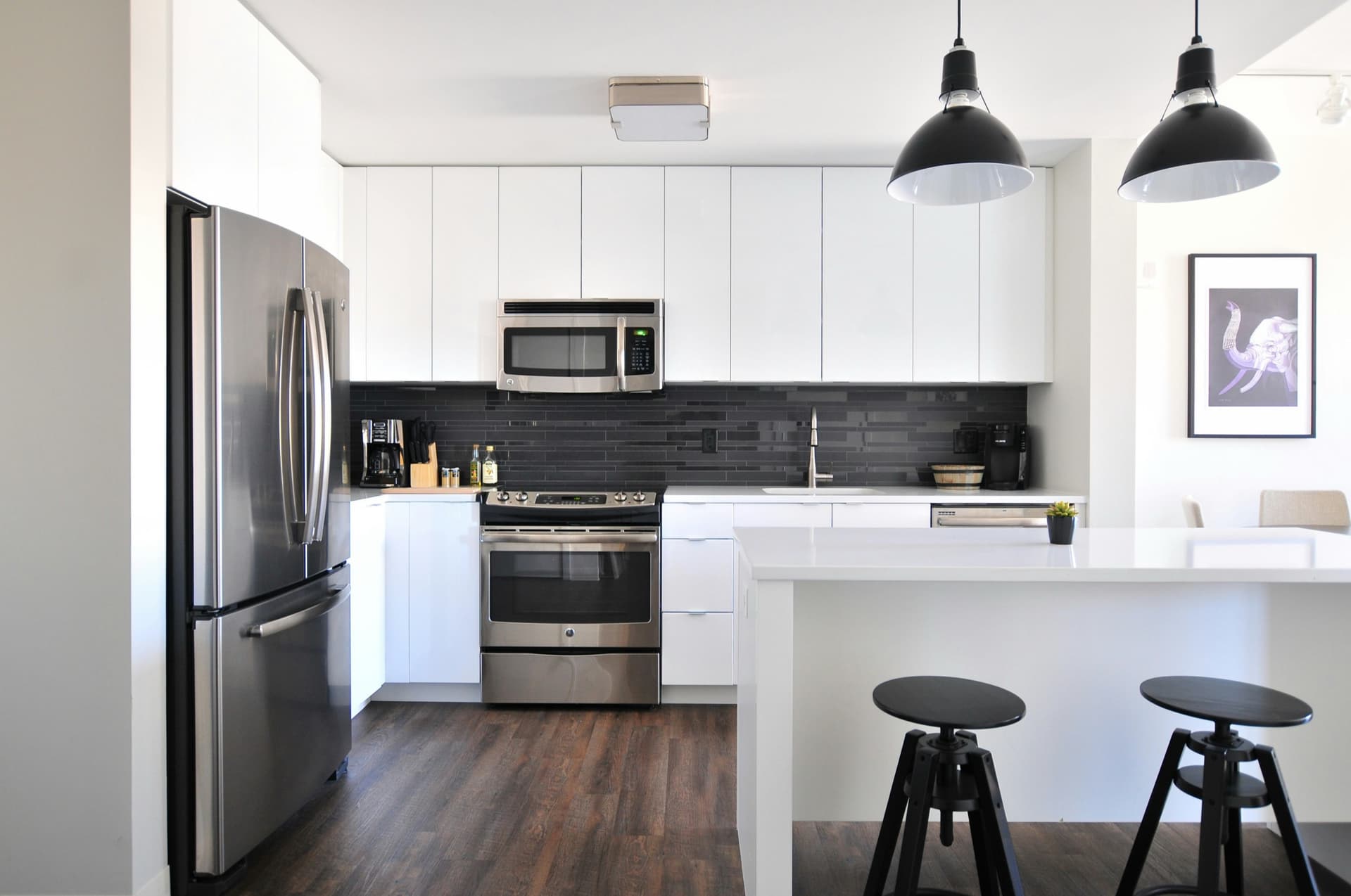
You walk into your brand-new home in a Clermont or Kissimmee subdivision and the first thing you notice is the smell. It is not unpleasant exactly, but it is distinctly chemical, and after an hour your eyes sting a little. That "new house smell" is largely formaldehyde and related compounds leaving cabinets, flooring, trim and furniture, and Florida's heat and humidity make the process faster and longer-lasting than in most of the country.
What formaldehyde is and why it is everywhere
Formaldehyde is one of the simplest organic molecules: a single carbon atom bonded to two hydrogens and one oxygen. At room temperature it is a colorless gas with a sharp odor. It is also one of the most widely produced industrial chemicals because it is the building block of several resin families used to glue wood fibers together.
Those resins are the issue for homeowners. Urea-formaldehyde and phenol-formaldehyde adhesives bind particleboard, medium-density fiberboard (MDF), hardwood plywood and many laminate flooring cores. Over time, the resin slowly breaks down and releases free formaldehyde into the surrounding air. The chemistry is reversible and moisture-sensitive, which is why humid conditions tend to increase emissions from urea-formaldehyde products in particular.
Formaldehyde is classified as a known human carcinogen by major health agencies based on long-term occupational exposure. At the lower concentrations typical of homes, the more immediate concerns are irritation of the eyes, nose and throat, coughing, and aggravation of asthma. Children, older adults and people with respiratory conditions tend to be more sensitive.
Where it hides in a new Florida home
The list is long because composite wood is cheap, stable and easy to machine. Walk through a typical new build and you will pass dozens of sources:
- Kitchen and bathroom cabinet boxes and shelves (often particleboard with a thin veneer or laminate)
- MDF baseboards, door casings, crown molding and interior doors
- Laminate and some engineered hardwood flooring cores
- Subfloor sheathing and underlayment
- Closet shelving systems
- Built-in bookcases and entertainment centers
- Pressed-wood furniture, bed frames and headboards
- New mattresses and upholstered pieces, which can carry formaldehyde-based finishes and foam additives
- Permanent-press curtains and some wrinkle-resistant fabrics
- Wallpaper adhesives and certain paints
Federal emission standards for composite wood products have reduced the amount of formaldehyde new materials release compared to older generations of product. Compliant materials still off-gas; they simply do so at lower rates. A home full of compliant cabinetry, flooring and furniture installed in the same month can still produce a noticeable indoor concentration.
Why Florida makes it worse
Heat drives emission
Off-gassing is a physical process governed by temperature. Warmer air gives molecules more energy to escape from the resin matrix, so emission rates rise as the thermostat climbs. A new home sitting through a Central Florida summer during construction, or a vacation property left at 82 degrees between guests to save on electricity, releases more formaldehyde per day than the same home kept at 72 degrees.
Humidity keeps the chemistry moving
Water vapor participates in the breakdown of urea-formaldehyde resin. High indoor humidity, which is a constant battle in Florida, keeps that reaction supplied. This is one more reason to keep indoor relative humidity below about 60 percent and ideally in the 30 to 50 percent range, a target we cover in ideal indoor humidity for Florida homes.
Sealed houses do not dilute
Modern Florida construction is tight by design, and that is good for energy bills and for keeping humid air out. The tradeoff is that indoor pollutants have very little fresh-air dilution unless the HVAC system includes a dedicated outdoor air intake or an energy recovery ventilator. Formaldehyde released from the cabinets at 2 PM is still in the air at 2 AM when you are asleep.
How formaldehyde testing works
Formaldehyde requires its own sampling approach. It is a small, reactive molecule that is not captured well by the general-purpose sorbent tubes used for many other VOCs, so laboratories use dedicated media designed to react with and hold formaldehyde specifically.
| Method | How it works | Best for |
|---|---|---|
| Active sampling | A calibrated pump draws air through a treated cartridge for a set period | Precise short-term concentration at a point in time |
| Passive badge | A treated badge absorbs formaldehyde over hours or days with no pump | Average exposure over a longer period, including nighttime |
| Direct-reading meter | Electrochemical sensor gives an on-site reading | Screening and locating hot spots, not final results |
At UES, samples are sealed and shipped under chain of custody to an independent accredited laboratory, and results are posted to the UES Client Portal alongside the rest of your indoor air quality findings. Because we do not sell air purifiers, replacement cabinets or any remediation service, our interpretation is driven by the lab data alone.
What the results tell you
A laboratory report gives a concentration, typically in parts per billion. We compare that against published guideline values from public health agencies, note the conditions during sampling (temperature, humidity, how long the house was closed), and identify the likely dominant sources based on what we observed during the walkthrough. If the concern is a specific piece of furniture, we may recommend sampling a closed room containing it and comparing to a room without it.
Reducing formaldehyde in your home
You cannot test your way to clean air; testing tells you what to fix. The following steps are the ones that actually lower concentrations.
- Ventilate aggressively during the first months. On the cooler, drier days Florida does get in late fall and winter, open windows and run ceiling fans. The first weeks after move-in are when emission is highest.
- Lower indoor temperature and humidity. A cooler, drier house emits less. This is also your best mold prevention strategy.
- Let new furniture off-gas elsewhere first. A garage or screened lanai works if you can tolerate the delay, although in summer a hot garage will not help much unless it is ventilated.
- Seal exposed composite wood. Unfinished particleboard edges inside cabinets and under countertops are major emitters. Sealing with a low-VOC coating can reduce release.
- Choose low-emitting products. Look for products labeled as meeting formaldehyde emission standards, or specify solid wood, metal or no-added-formaldehyde (NAF) composite options when renovating.
- Replace rather than mask. Air fresheners add VOCs of their own. Activated carbon filtration can help with gases where particulate filters do not, but it is a supplement to source control, not a replacement.
- Retest after changes. A follow-up sample tells you whether the numbers moved.
The role of an independent assessor
Builders, cabinet suppliers and furniture retailers each have an incentive to describe their products as safe, and most are compliant with the rules that apply to them. The problem is cumulative: the sum of many compliant products in one tight, warm, humid house. An independent assessment measures the actual air you breathe without any stake in which product is blamed. For new construction concerns that go beyond chemistry, our post on new construction mold in Florida covers the moisture side of the equation.
When to call UES
Formaldehyde testing makes sense when you have moved into or are about to close on a new home, when a renovation has added a kitchen's worth of cabinets and flooring, when a recently furnished room causes eye or throat irritation, or when a vacation rental guest complains of a chemical smell. It is also useful for anyone with asthma or chemical sensitivity who wants a baseline before a move.
Book an assessment online or call (407) 438-4684 during business hours. Our team serves Orlando, Clermont, Kissimmee and the rest of Central Florida from our Leesburg office.
Related reading
Frequently asked questions
How long does formaldehyde off-gas from new furniture?
The release rate is highest in the first weeks and then declines, but composite wood products can continue to emit at low levels for months or years. Heat and humidity increase the rate, so a Florida home often sees a longer tail than a dry, cool climate would. Testing is the only way to know where your home stands.
Does formaldehyde have a smell?
Formaldehyde has a sharp, pungent odor, but many people cannot detect it at the concentrations commonly found indoors. Eye and throat irritation sometimes shows up before the smell does. A faint 'new house' or 'new furniture' smell is often a mix of formaldehyde and other VOCs.
Should I see a doctor about formaldehyde exposure?
If you or a family member has persistent eye, nose or throat irritation, headaches, or worsened asthma that seems tied to being at home, talk with a physician. An assessor can measure the concentration in your air, but only a doctor can evaluate your health. Bring your lab results to the appointment.
Worried about what you just read?
An independent UES assessment tells you exactly what is going on, what caused it and what to do next. Book online or call.