Hidden mold behind drywall is common in Florida homes with slab leaks and storm damage. Learn the warning signs and the tools licensed assessors use to find it.
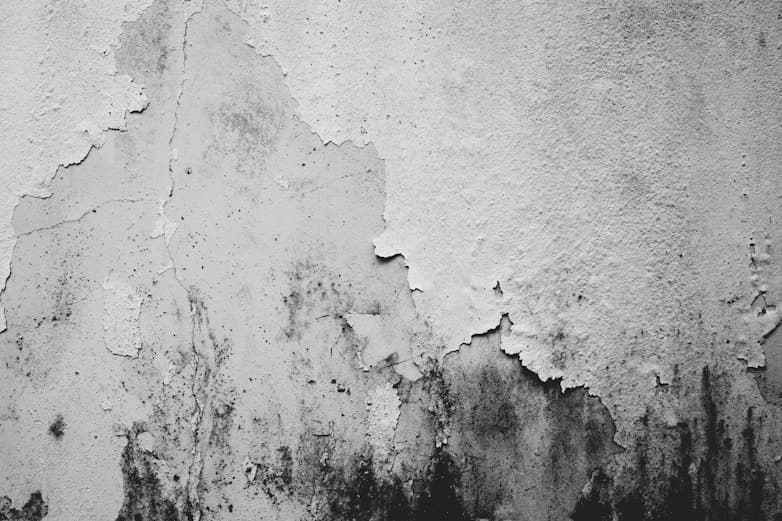
A faint musty odor in one room, a baseboard that has started to separate from the wall, or a patch of paint that bubbles slightly when you press it are easy to dismiss. In Florida homes, those small signals often mean mold is growing on the back of the drywall where you cannot see it. Finding it before it spreads is a job for specific tools and a methodical process, not a flashlight and a hunch.
Why drywall hides mold so well
Drywall is gypsum sandwiched between two layers of paper. That paper is cellulose, which is an excellent mold food. When water enters a wall cavity from a slab leak, a window flashing failure, a roof leak that runs down the framing, or a pipe sweating in the humidity, the first thing it wets is the back paper. Mold colonizes it within 24 to 48 hours.
The painted front face resists showing the damage. Latex paint, and especially the semi-gloss and satin finishes common in Florida homes, slows vapor movement. Insulation in exterior walls holds water against the drywall and out of sight. By the time a stain or bubble appears on the room side, the cavity may have been wet for weeks.
Warning signs you can check yourself
Hidden mold leaves clues. Walk the home and look for these, paying extra attention to exterior walls, walls shared with bathrooms and the kitchen, and walls below any ceiling that has ever had a stain.
- Odor concentrated in one area. A musty, earthy smell strongest near the floor or inside a closet is the most reliable sign. Mold releases microbial volatile organic compounds that pass through paint even when spores do not.
- Baseboard changes. Swelling, a gap opening between the baseboard and the wall, or caulk that has pulled away suggests the bottom of the wall has been wet.
- Paint and texture changes. Bubbling, peeling, a chalky feel, or a subtle color shift in a horizontal band near the floor.
- Soft or spongy drywall. Press gently along the lowest foot of the wall. Wet gypsum loses its rigidity.
- Nail pops and tape seams showing where they did not before, which can indicate framing movement from moisture.
- Rust on outlet or switch screws and discoloration inside the electrical box when the cover is removed.
- Discoloration on the room side of the drywall near windows, especially at the lower corners where flashing failures concentrate.
- Allergy symptoms that improve when you leave the house or that are worse in one room.
Any two of these together in the same area are worth an assessment.
The tools assessors use to see through walls
An assessor cannot see through drywall any better than you can. What the assessor can do is measure what is happening behind it.
Thermal imaging
An infrared camera reads surface temperature. Wet drywall is cooler than dry drywall because evaporation pulls heat from the surface, and it also changes temperature more slowly. On a thermal image, a wet area appears as a distinct cooler zone with a shape that follows the water: a wedge spreading from a window corner, a band along the bottom plate, a plume below a plumbing penetration. Thermal imaging does not detect mold directly, and it has limits, including interference from air leaks and surface materials, but it is the fastest way to find where to measure next.
Moisture meters
Two kinds confirm what the camera suggests. A pinless meter uses electromagnetic signals to read moisture in the top three quarters of an inch or so of the wall without leaving marks. A pin meter pushes two small probes into the drywall and measures electrical resistance, which gives a more precise reading at a point. Comparing readings on a suspect wall with readings on a known-dry wall in the same house tells the assessor whether the material is wet, how wet, and how far the wet area extends.
Borescope inspection
Where an existing opening is available, such as a removed outlet cover, a plumbing access panel or a gap behind a baseboard, a small camera on a flexible cable can be inserted to view the back of the drywall, the framing and the insulation directly.
Wall-cavity air sampling
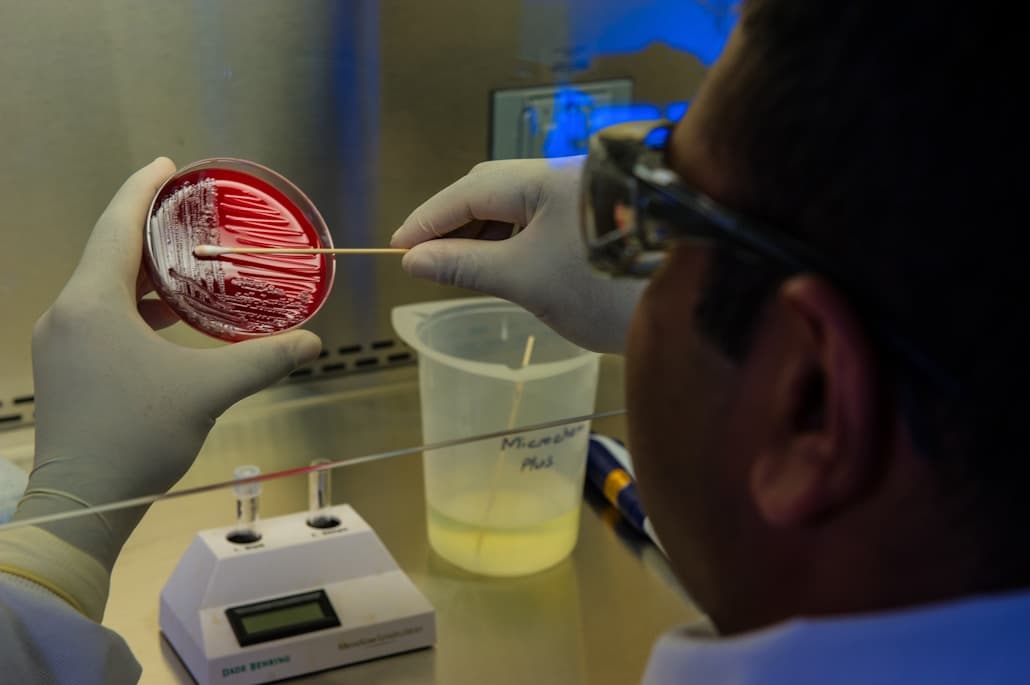
A small tube inserted through a tiny hole draws air from inside the wall onto a spore trap cassette. If the cavity sample shows high concentrations of mold genera that are not elevated in the room or outdoors, growth is present inside the wall even when nothing is visible. Samples go to an independent accredited lab under chain of custody.
Room air sampling
Comparing indoor air to outdoor air in several rooms indicates whether a hidden source is affecting the living space and helps locate which room is closest to the source.
| Tool | What it tells you | What it cannot do |
|---|---|---|
| Thermal camera | Where temperature patterns suggest moisture | Confirm mold or measure moisture directly |
| Pinless moisture meter | Relative moisture across a wall area | Read deep into the cavity |
| Pin moisture meter | Precise moisture at a point | Cover large areas quickly |
| Borescope | Direct view of the cavity | Reach every area |
| Cavity air sample | Whether spores are concentrated inside the wall | Show the exact size of the colony |
How the findings become a plan
Once the wet area and contamination are mapped, the assessor writes a protocol that defines how far drywall should be removed, how the area should be contained, what should happen to insulation and framing, and how the moisture source must be corrected. In a Florida slab home, that source is often a supply line in the slab, a shower pan, a window or door without proper flashing, or stucco cracks on the exterior block.
A comprehensive mold assessment combines the inspection, sampling and protocol into one report delivered through the UES Client Portal. When the water path is unclear, a water intrusion and damage assessment focuses on tracing it. For odor-led investigations with no obvious location, building forensics and specialized diagnostics applies the same tools more intensively.
Because UES only assesses and never remediates, the removal area in the protocol is based on the measurements, not on what a larger job would pay.
What not to do
Do not open the wall yourself to take a look. Cutting into contaminated drywall without containment releases spores into the room and the HVAC return. Do not run fans at the wall to dry it, which does the same thing. And do not paint over a stain. Mold-resistant paint on top of a wet, contaminated wall buys a few weeks of appearance and nothing else.
When to call UES
If you smell mold but cannot find it, if a baseboard or wall feels soft, if a stain has appeared below a window or near a plumbing wall, or if you have had any leak in the past year that was not professionally dried, an assessment can find what is behind the drywall before it spreads. Book online or call (407) 438-4684, Monday through Friday, 9:00 AM to 5:30 PM. UES serves Orlando, Clermont, Sanford and all of Florida.
Related reading:
Frequently asked questions
Can mold grow behind drywall without any visible signs?
Yes. Drywall paper on the back side of a wall can support heavy growth while the painted face looks normal, especially with semi-gloss or vinyl-coated paint that slows moisture from showing through. Odor, elevated airborne spore counts and moisture readings often reveal the problem long before a stain appears.
Do assessors have to cut holes in my wall?
Usually not at the assessment stage. Thermal imaging, pin and pinless moisture meters, borescope inspection through small existing openings, and wall-cavity air sampling let an assessor evaluate the cavity with minimal damage. If an opening is needed, it is typically small and placed where the data points, not at random.
How much of the wall is usually affected?
More than what shows. Water inside a wall spreads along the bottom plate and wicks up the drywall paper, so a stain the size of a hand can correspond to several feet of contaminated cavity. The written protocol defines the removal area based on moisture readings and sampling rather than the visible stain alone.
Worried about what you just read?
An independent UES assessment tells you exactly what is going on, what caused it and what to do next. Book online or call.