
The outdoor sample is the key to reading a mold lab report. Learn how Florida assessors compare indoor and outdoor spore types and counts to find an indoor source.
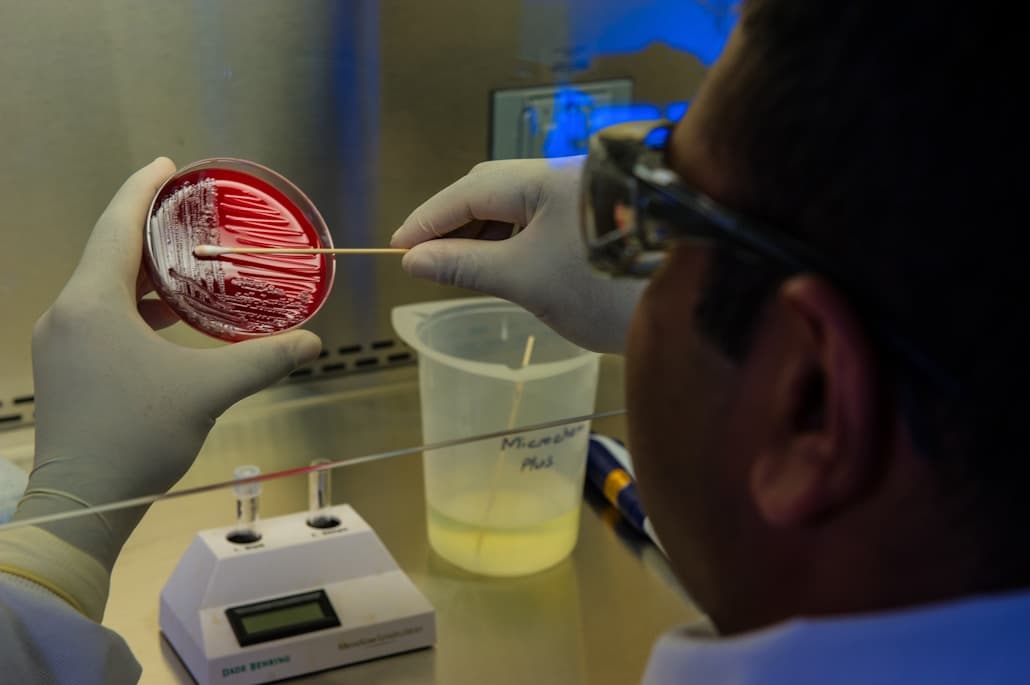
The lab report arrives with a grid of Latin names and numbers running into the thousands, and the first instinct is to find the biggest number and panic. Then you notice the biggest number is in the outdoor column. That column is not an afterthought. It is the key that makes every other number on the page readable, and understanding how assessors use it will turn the report from intimidating to informative.
The principle in one paragraph
Indoor air gets its mold spores from outdoor air. In a building with no indoor mold source, the indoor sample will contain the same spore types as the outdoor sample, usually at lower concentrations because the building envelope and HVAC filtration remove some of them. When an indoor sample shows spore types that are absent outdoors, or shows a type at a much higher concentration than outdoors, that difference cannot be explained by outdoor air and points to a source inside the building. The outdoor sample is the baseline that makes the comparison possible.
What the report shows
A typical spore trap report lists each sample as a column and each spore type as a row. For every cell you will see a raw count (spores seen on the slide) and a calculated concentration (spores per cubic meter of air, based on the volume the pump pulled). Common rows in Florida reports include:
- Cladosporium, the most abundant outdoor genus in most Florida samples
- Basidiospores and ascospores, released by mushrooms, plant fungi and decaying vegetation
- Aspergillus/Penicillium, grouped because their spores look alike under a microscope
- Curvularia, Bipolaris, Alternaria and other common outdoor types
- Water-indicator genera such as Stachybotrys and Chaetomium
- Hyphal fragments and a debris or background rating
The report may also list pollen, skin cells and fibers, which help the analyst judge sample quality.
Three patterns assessors look for
Pattern one: indoor mirrors outdoor at lower levels
| Spore type | Outdoor | Living room |
|---|---|---|
| Cladosporium | High | Moderate |
| Basidiospores | High | Low |
| Aspergillus/Penicillium | Low | Low |
| Stachybotrys | None | None |
This is what a healthy indoor environment typically looks like. The same types appear in roughly the same proportions, just fewer of them. Nothing here suggests an indoor source.
Pattern two: one type is proportionally elevated indoors
| Spore type | Outdoor | Master bedroom |
|---|---|---|
| Cladosporium | High | Low |
| Basidiospores | High | Low |
| Aspergillus/Penicillium | Low | Markedly elevated |
| Stachybotrys | None | None |
The outdoor-dominant types are low indoors, as expected, but Aspergillus/Penicillium is far higher indoors than outdoors. The outdoor air did not deliver that. Something in or near the bedroom is producing it. This pattern often appears with humidity-driven growth in closets, on contents or in the HVAC system.
Pattern three: water-indicator types indoors only
| Spore type | Outdoor | Laundry room |
|---|---|---|
| Cladosporium | High | Low |
| Aspergillus/Penicillium | Low | Elevated |
| Chaetomium | None | Present |
| Stachybotrys | None | Present |
Chaetomium and Stachybotrys need very wet material to grow and release spores poorly into air, so even modest counts indoors with none outdoors are significant. This pattern typically accompanies a leak that has soaked drywall or wood for an extended period, and it strongly supports opening the wall.
Why proportions matter more than totals
Adding up all the spores in a column and comparing totals is the most common mistake homeowners make. On a windy day after a storm, outdoor totals can be enormous, and an indoor total that is a fraction of that can still hide a significant indoor source. Conversely, a dry, still morning can produce a low outdoor total that makes a mild indoor count look dramatic.
Assessors therefore look type by type. The question for each row is: can the outdoor air explain this indoor number? If yes, move on. If no, something indoors is responsible.
Why Florida makes the outdoor control non-negotiable
Central Florida's outdoor spore load is high and changeable. Humidity, afternoon storms, lawn maintenance and the time of day all shift the outdoor profile. A sample from a laboratory's reference database or from a different day cannot stand in for a control collected at your home within the same hour as the indoor samples. UES collects the outdoor sample on site every time, documents the weather and location, and treats it as the reference for every indoor sample in the set.
What the numbers cannot tell you alone
The lab report is one piece of evidence. On its own it cannot tell you:
- Where the source is located
- How large the affected area is
- Whether the growth is active or dormant
- Whether the moisture problem has been fixed
- Whether any particular number is safe for a particular person
Those answers come from pairing the report with the moisture map, thermal imaging and visual findings from the comprehensive mold assessment. An elevated Aspergillus/Penicillium count in a bedroom plus a wet reading at the base of the exterior wall plus a thermal anomaly at the same spot is a diagnosis. The count alone is a clue.
Reading the control room
Most full assessments include a sample in a room with no known problem. That room serves as an indoor baseline. If the complaint room matches the control room and both match the outdoors, the complaint may not be mold-related. If the complaint room differs from both, the source is localized. If the control room is also elevated, the problem may be systemic, often involving the HVAC system.
Surface samples in the same report
Tape lifts and swabs appear differently on the report: a description of fungal structures present, the genera identified and often a density note, without a concentration. They confirm that a visible stain is fungal and identify what it is. Seeing Stachybotrys on a tape lift from a wall and Stachybotrys in the air sample of the same room ties the airborne finding to a location.
Questions to ask about your report
- Which indoor spore types are not explained by the outdoor sample?
- Do any water-indicator organisms appear indoors?
- How do the complaint rooms compare to the control room?
- Where were the samples placed, and were any wall cavities sampled?
- How do these results line up with the moisture map?
- If remediation is needed, which of these results define the clearance criteria?
UES answers these in the interpretation posted alongside the raw lab data in the UES Client Portal, so you see both the laboratory's numbers and what they mean for your building. Because UES does not perform remediation, the interpretation has no reason to lean toward or away from a finding of growth.
When to call UES
If you have a report you cannot interpret, or you want sampling designed and read by an independent licensed assessor, UES serves Orlando, Lake County, The Villages, Jacksonville and all of Florida. Book an assessment online or call (407) 438-4684, Monday through Friday, 9:00 AM to 5:30 PM. Allergen and particulate concerns beyond mold are covered under indoor air quality and allergen testing.
Related reading
Frequently asked questions
Why is the outdoor spore count on my mold report so high?
Florida outdoor air carries large numbers of spores most of the year because of warmth, humidity and abundant vegetation. A high outdoor count is normal and is exactly why the outdoor sample is collected. It establishes what your indoor air would look like if the only source were the outside, so that anything beyond that can be attributed to an indoor source.
What does it mean when an indoor spore type is not found outdoors?
It usually points to an indoor source. Spores indoors normally come from outdoors, so a type that appears inside at meaningful levels but is absent or barely present outside the same day is being produced somewhere in the building. Water-indicator organisms such as Stachybotrys or Chaetomium appearing indoors but not outdoors are especially significant.
Is there a safe spore count for indoor air?
No universally accepted numerical threshold exists, because sensitivity varies between people and spore types differ in significance. Assessors interpret indoor results relative to the same-day outdoor sample, the control rooms and the moisture findings rather than against a single number. For questions about health effects, speak with your physician.
Worried about what you just read?
An independent UES assessment tells you exactly what is going on, what caused it and what to do next. Book online or call.