Meet the molds found most in Florida lab reports. Learn where Stachybotrys, Aspergillus, Penicillium, Cladosporium and Chaetomium grow and what each means.
Every mold lab report that comes back from a Florida home lists the same handful of names. Homeowners read Stachybotrys and panic, see Cladosporium and shrug, and are not sure what to make of the rest. Each genus has a personality: it prefers certain materials, certain moisture levels and certain locations in the house. Knowing those preferences tells an assessor where to look and tells you what the result means.
The quick reference
| Genus | Appearance | Prefers | Where it shows up in Florida homes | Significance |
|---|---|---|---|---|
| Stachybotrys | Black, slimy or sooty | Saturated cellulose, long-term wetting | Wet drywall, ceiling tile, paper-faced insulation | Strong indicator of chronic water intrusion |
| Chaetomium | Gray to brown, cottony, darkens with age | Chronically wet paper and wood | Leak-damaged drywall, baseboards, subfloor | Strong indicator of water intrusion |
| Aspergillus | Green, yellow, white, gray or black, powdery | Damp surfaces, dust, high humidity | Closets, AC systems, stored goods, bathrooms | Humidity or hidden growth indicator |
| Penicillium | Blue-green, white edged, powdery | Damp surfaces, food, fabric, dust | Closets, carpet, leather, air handlers | Humidity or hidden growth indicator |
| Cladosporium | Black, olive, dark green specks | Condensation, painted surfaces, fabric | Windows, AC registers, bathroom ceilings, outdoor air | Common outdoors; indoors points to condensation |
| Alternaria | Dark brown to black, velvety | Damp surfaces, soil, plants | Window sills, showers, tracked in from outdoors | Common allergen, usually outdoor origin |
| Fusarium | Pink, salmon, white or purple | Wet materials after leaks | Flooded carpet, wet drywall, humidifier reservoirs | Indicator of wet materials |
Stachybotrys chartarum
This is the mold people mean when they say toxic black mold. It is a slow-growing species that needs a very specific environment: cellulose material that has been soaked and stays wet for days or weeks. Drywall paper, ceiling tile, cardboard and paper-faced insulation behind a chronic leak are its preferred habitat. It does not compete well on surfaces that are merely humid, which is why it is not usually found on bathroom ceilings or window sills.
Its spores are heavy and sticky and released in slimy clusters, so they do not become airborne easily unless the colony dries out or is disturbed. Finding Stachybotrys spores in an air sample, even at a modest count, is meaningful because it means a colony exists and is shedding. Some strains produce mycotoxins under certain conditions, which is the source of the health concern. For an assessor, Stachybotrys in a sample means one thing: somewhere, cellulose has been saturated for a long time. Find the water.
Chaetomium
Less famous than Stachybotrys but a frequent companion. Chaetomium grows on chronically wet paper and wood and produces distinctive lemon-shaped fruiting bodies that look cottony and gray before turning dark. It is often found on the back of drywall behind a long-standing leak, on wet baseboards and on subfloors under failed shower pans. Like Stachybotrys, it is not an outdoor air mold in any quantity, so finding it indoors points directly to a water intrusion problem.
Aspergillus
A very large genus with many species, some harmless and some medically important. Aspergillus is everywhere: in soil, on decaying plants, in dust and in every Florida home at some level. What makes it an indoor problem is humidity. It grows readily on surfaces that are damp but not wet, which describes closets on exterior walls, the inside of an air handler, dusty supply registers, stored leather and fabric, and drywall in rooms held above 60 percent relative humidity.
Certain Aspergillus species are a particular concern for people with weakened immune systems, chronic lung disease or asthma. For an assessor, elevated Aspergillus/Penicillium in an air sample means either the home has a humidity problem or there is hidden growth on damp material somewhere, such as inside a wall cavity or the HVAC system.
Penicillium
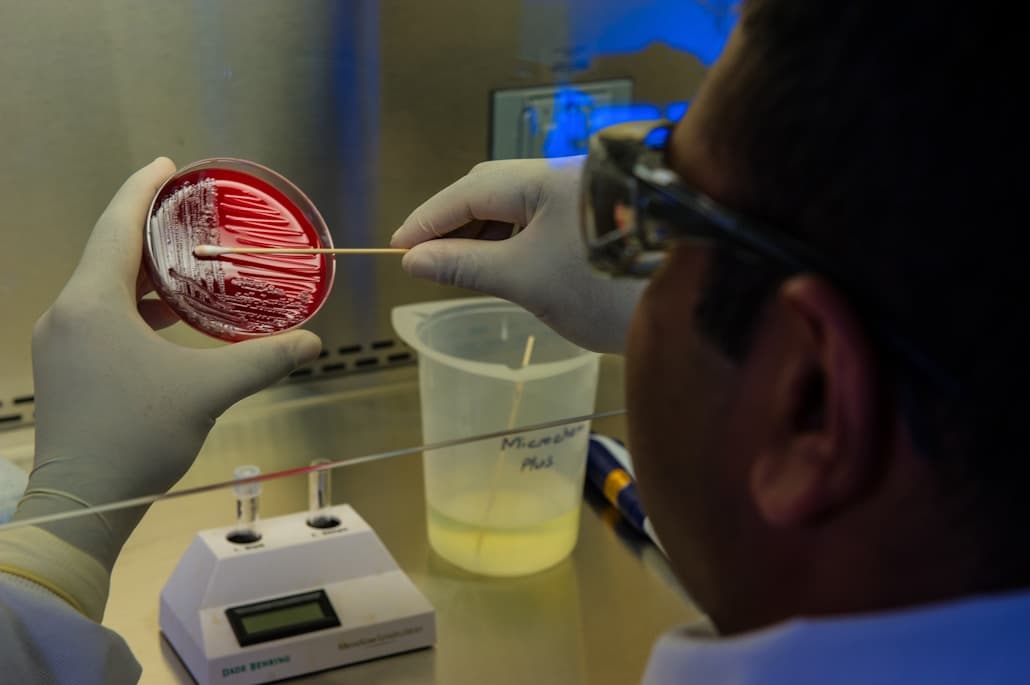
Reported together with Aspergillus on spore trap samples because the spores are indistinguishable by microscopy. In culture or on surfaces it is recognizable by its blue-green color and white margin, the same mold familiar from spoiled bread and oranges. It shares Aspergillus's preference for damp rather than wet conditions and is often the dominant mold on water-damaged carpet, in closets, on leather goods and in air handlers. Many species produce strong musty odors, and Penicillium is a frequent cause of the smell in a home where nothing is visibly growing.
Cladosporium
The most common mold in Florida outdoor air and the most common one found growing on indoor surfaces. It is dark and appears as black or olive specks. It colonizes anything that stays damp from condensation: window gaskets and frames, the face of a cold AC register and the ceiling around it, bathroom ceilings, refrigerator door seals and fabric in humid rooms. It tolerates cooler temperatures than most molds.
Because it is so common outdoors, Cladosporium in an indoor air sample is interpreted by comparison. Indoor counts below outdoor counts are normal. Indoor counts above outdoor counts, or heavy surface growth, indicate a condensation or humidity problem. It is a significant allergen and a frequent asthma trigger.
Alternaria and Fusarium
Alternaria is a dark outdoor mold that comes indoors on shoes, pets and air currents and colonizes damp window sills, shower surrounds and houseplant soil. It is a well-known allergen. Fusarium is a soil and plant mold that appears pink, salmon or purplish and is found on wet materials after leaks and floods, particularly carpet and drywall. Its presence indicates materials that have been wet, not just humid.
Why the genus guides the inspection
An assessor uses these preferences in reverse. A sample dominated by Stachybotrys and Chaetomium sends the inspection toward wet drywall, long-term leaks and plumbing walls. Elevated Aspergillus/Penicillium with no visible growth points to humidity, closets, the HVAC system or a hidden cavity. Cladosporium on surfaces says condensation.
A comprehensive mold assessment pairs this lab identification with moisture readings and thermal imaging so the written protocol targets the actual source. When the genera suggest a chronic leak, a water intrusion and damage assessment traces it. When occupants have allergy or asthma symptoms, indoor air quality and allergen testing documents the exposure. All samples are analyzed by an independent accredited laboratory under chain of custody, and the results are explained in the UES Client Portal.
UES assesses and never remediates, so the explanation of what a given genus means for your home is not shaped by what a cleanup would cost. If anyone in the home has symptoms, bring the report to a physician; the assessor identifies the environment, and the doctor addresses the health.
When to call UES
Call when a lab result from any source lists Stachybotrys, Chaetomium or elevated Aspergillus/Penicillium indoors, when you see growth and want to know what it is before anyone disturbs it, or when someone in the home has respiratory symptoms and you want to understand the environment they are living in. Book online or call (407) 438-4684, Monday through Friday, 9:00 AM to 5:30 PM. UES serves Orlando, The Villages, Daytona Beach and all of Florida.
Related reading:
Frequently asked questions
Which mold is the most dangerous?
There is no single answer. Stachybotrys gets the most attention because some strains can produce mycotoxins on saturated cellulose. Aspergillus includes species that can cause infections in people with weakened immune systems and is far more common. Any mold growing indoors signals a moisture problem and can affect sensitive people, so the species matters less than the fact that it is growing and the moisture that allows it.
Why does my lab report list Aspergillus and Penicillium together?
Spore trap air samples are identified by spore shape and size under a microscope, and the spores of these two genera look nearly identical. Labs report them as a combined category. Culturing or surface sampling with visible structures can separate them, but for most assessment purposes the combined result is interpreted the same way: an indicator of indoor humidity or hidden growth.
Is Cladosporium in my house a problem?
Cladosporium is the most common outdoor mold in Florida and some will be in every home. It becomes a concern when indoor counts exceed outdoor counts or when it is growing on surfaces such as window frames, AC registers and bathroom ceilings. It is a frequent allergen and its presence on surfaces indicates condensation or high humidity that should be corrected.
Worried about what you just read?
An independent UES assessment tells you exactly what is going on, what caused it and what to do next. Book online or call.