Black mold in Florida homes is not always Stachybotrys. Learn what dark growth means, where it hides in humid Central Florida houses, and when to test it.
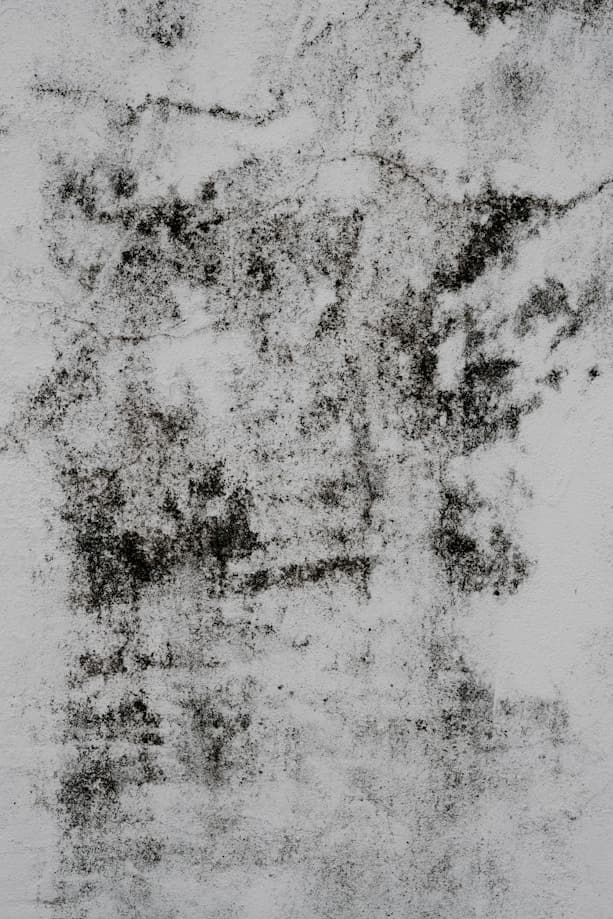
You found a dark, blotchy patch behind the dresser, along the bottom of a bathroom wall, or ringing a supply vent, and the first words that came to mind were black mold. In Florida, that discovery is common enough that most homeowners will face it at some point. The good news is that the color tells you far less than the internet suggests, and the right next steps are straightforward.
What black mold actually is
"Black mold" is a description, not a species. Dozens of molds that grow indoors appear black, charcoal, dark green or brown to the naked eye. The one most people worry about is Stachybotrys chartarum, a slow-growing, slimy mold that prefers soaking-wet cellulose material such as drywall paper, ceiling tile and wood that has stayed saturated for days or weeks.
In Central Florida homes, the dark growth you see is just as likely to be one of these:
- Cladosporium, one of the most common molds in Florida air, which grows readily on painted surfaces, window frames, fabric and HVAC components.
- Aspergillus and Penicillium, which range from green to gray to nearly black and thrive on humid surfaces, dust and stored goods.
- Alternaria, a dark outdoor mold that moves indoors on shoes, pets and air currents and colonizes damp window sills and shower surrounds.
- Chaetomium, a cottony mold that darkens with age and shows up on chronically wet drywall and baseboards.
Under a microscope these look nothing alike. On your wall they can be nearly identical. That is why an assessor samples instead of guessing, and why "it is black so it must be Stachybotrys" is not a conclusion anyone should act on.
Why Florida homes grow dark mold so often
Mold needs three things: a food source, a moderate temperature and moisture. Florida supplies the first two year-round. Drywall, wood framing, dust and paper are everywhere, and indoor temperatures hover in the range mold prefers. Moisture is the variable, and Florida provides it in several ways at once.
| Moisture source | Where dark mold tends to appear |
|---|---|
| Outdoor humidity above 60% most of the year | Closets, behind furniture on exterior walls, garages |
| Condensation at cold AC supply registers | Ceiling around vents, grille faces, nearby drywall |
| Roof leaks after afternoon storms and hurricanes | Ceiling corners, attic sheathing, top of wall cavities |
| Plumbing and slab leaks | Base of walls, under cabinets, behind baseboards |
| Shower and tub moisture without exhaust | Grout lines, caulk, ceiling above the shower |
Block construction with a slab foundation, which describes a large share of Orlando, Leesburg and The Villages housing, adds another path. Moisture can wick through the slab and block, so the lowest foot of an exterior wall is often damper than the rest of the room even with no leak at all.
What black mold means for your health
Mold is an allergen and an irritant for many people. Dark molds release spores and fragments that can trigger sneezing, congestion, itchy eyes, coughing and asthma flare-ups in sensitive individuals. Some species, including Stachybotrys, can produce mycotoxins under the right conditions, which is the source of most of the fear around the term.
What matters for you is exposure: how much is growing, how much is reaching the air you breathe, and how sensitive the people in the home are. Infants, older adults and anyone with asthma, allergies or a weakened immune system may react more strongly. If anyone in your home has symptoms they cannot explain, talk to a physician, and bring the assessment results with you. UES does not diagnose health conditions, but a lab report that identifies what is growing and how much is airborne gives your doctor something concrete to work with.
What to do when you find it
Resist the urge to spray it and scrub. Dry, disturbed mold releases a burst of spores, and bleach on drywall or wood does little more than lighten the surface while the moisture problem continues underneath.
- Photograph it before anything changes. Include a wider shot that shows where it is in the room.
- Look for the water. Check above for ceiling stains, beside for plumbing walls, and below for wet baseboards or swollen trim. Run your hand along the lowest part of the wall and feel for cool, damp drywall.
- Keep the area undisturbed. Do not remove drywall or pull up flooring yet. The extent of growth inside a wall cavity is usually several times what is visible.
- Lower the humidity. Keep the air conditioning running and set to cool rather than fan-only. Aim for indoor relative humidity below 60%.
- Get an independent assessment. A licensed mold assessor will inspect, sample and trace the moisture source without any incentive to sell you a cleanup.
How a professional assessment handles black mold
A comprehensive mold assessment starts with a forensic visual inspection of the whole home, not just the spot you found. Assessors use moisture meters and thermal imaging to find wet building materials that look dry on the surface, then collect air and surface samples. Those samples go under chain of custody to an independent accredited laboratory, which identifies the genus present and, for air samples, reports spore concentrations compared with an outdoor control.
Where the water came from matters as much as the species. A water intrusion and damage assessment traces the path of moisture so the written protocol addresses the cause, not just the stain. The results, the digital protocol and a vetted remediator list are delivered through the UES Client Portal, where you can also follow progress with the Remediation Tracker.
Because UES assesses and tests only and never performs remediation, the findings are not shaped by what a cleanup would be worth. You get an honest answer about what is there, how far it extends and what needs to happen, and you choose who does the work.
Preventing it from coming back
Black mold on a wall is a symptom. Once remediation is complete, the long-term fix is controlling moisture:
- Keep the thermostat set so the system runs long enough to dehumidify, and avoid leaving the fan in the "on" position, which can re-evaporate water off the coil.
- Run bathroom exhaust fans during and for twenty minutes after showers, and make sure they vent outdoors rather than into the attic.
- Pull furniture a few inches off exterior walls and keep closet doors cracked so conditioned air can circulate.
- Address roof, window and plumbing leaks the week they happen. Wet materials can support growth within 24 to 48 hours.
- Consider post-remediation verification so you have independent confirmation that the work succeeded before walls are closed up.
When to call UES
If you have found dark mold on drywall, wood or ceiling material, if the patch is larger than a few square feet, if it keeps returning after cleaning, or if anyone in the home has unexplained respiratory symptoms, an independent assessment is the right first move. Book a mold assessment online or call (407) 438-4684, Monday through Friday, 9:00 AM to 5:30 PM. We serve Orlando, Leesburg, The Villages and all of Florida.
Related reading:
Frequently asked questions
Is all black mold toxic?
No. Many common molds look black or dark green on a wall, including species of Cladosporium, Aspergillus and Alternaria. Stachybotrys chartarum, the species most people mean by toxic black mold, is only one of them, and color alone cannot identify it. Any mold growing indoors points to a moisture problem that needs to be corrected, regardless of species.
Can I clean black mold myself?
Small patches on hard, non-porous surfaces like tile or glass can often be cleaned by a homeowner with detergent and water. Growth on drywall, wood, insulation or carpet, growth larger than a few square feet, or growth that keeps returning should be assessed first so the moisture source and full extent are understood before anyone disturbs it.
How do I know if black mold is making my family sick?
Mold exposure can aggravate allergies, asthma and sinus irritation in some people, but symptoms overlap with many other conditions. Speak with a physician about any health concerns. An independent assessment can tell you what is growing in the home and how much is in the air, which gives your doctor useful context.
Worried about what you just read?
An independent UES assessment tells you exactly what is going on, what caused it and what to do next. Book online or call.