
Learn how to read a mold inspection report, from moisture readings and thermal images to lab spore counts and the remediation protocol, with a Florida focus.
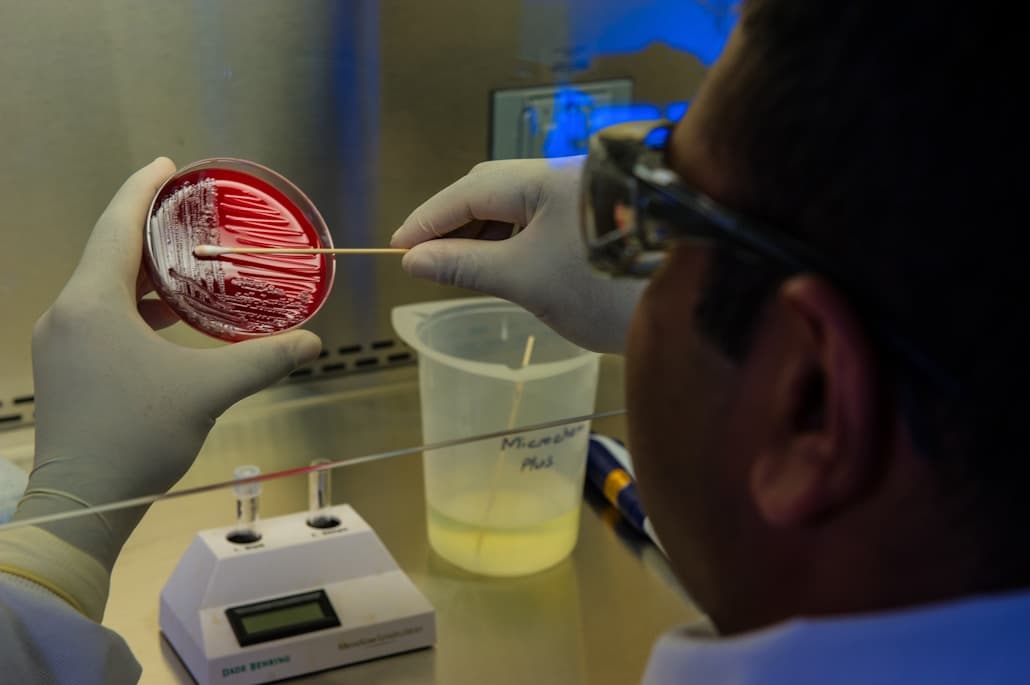
The report arrives in your inbox, you open it and find twenty pages of photos, meter readings, lab tables and species names you cannot pronounce. You wanted a yes or no. Instead you have a document that looks like it was written for an engineer. Most Florida homeowners feel the same way the first time they read a mold inspection report, and the good news is that every section has a purpose you can learn in a few minutes.
This guide walks through a typical report in order, explains what each piece of data means and shows how the parts fit together into a decision.
The short version
A mold inspection report should answer four questions: Is there mold growth beyond normal background? Where is it? What moisture source is feeding it? What should be done about it? Everything else in the document is evidence supporting those answers. If you can find the answers to those four questions clearly stated, the report has done its job. If you cannot, ask the assessor to point to them.
Start with the summary and conclusions
Most reports open with an executive summary or close with a conclusions section. Read that first, then work backward through the evidence. It should state plainly whether growth was found, which rooms or assemblies are affected and what the recommended action is. Phrases like "elevated levels may be present" without saying what and where are signs the assessor did not finish the diagnostic work.
The visual inspection section
This is the assessor's narrative of what they saw, room by room: staining, visible growth, water damage, odors, condensation and the condition of the building envelope. Good reports pair each observation with a photo and a location. In Florida homes, pay attention to notes about supply registers, window frames, the air handler closet and closets on exterior walls, where humidity and condensation show up first.
Moisture and humidity readings
Here is where the instruments come in. The report should list readings from three types of equipment:
- Moisture meters. Pin meters give a percentage moisture content in wood and drywall; pinless meters give a relative scale across a wider area. Elevated readings tell you a material is wet now or has been recently, which is more useful than a spore count for finding the source.
- Thermal imaging. Infrared photos show temperature differences on surfaces. Cool, irregular patterns on drywall often indicate evaporating moisture behind the surface. Thermal images do not detect mold directly, and the report should say which anomalies were confirmed with a meter.
- Hygrometers. Relative humidity and temperature in each room, sometimes with dew point. Indoor humidity above about 60 percent for extended periods supports growth on surfaces that are never actually wet.
Look for a readings table and for the assessor's interpretation. A list of numbers with no comment is incomplete; a reading in a bathroom wall means little until the report compares it to known dry drywall in the same house.
Sampling strategy
The report should explain what was sampled and why:
| Sample type | What it measures | What it is good for |
|---|---|---|
| Air (spore trap) | Spores per cubic meter of air, by genus | Comparing indoor rooms to outdoor air |
| Surface (tape or swab) | Whether a visible stain is mold and what kind | Confirming growth on a specific spot |
| Bulk | A piece of material analyzed directly | Carpet, insulation, drywall fragments |
| Dust (ERMI or HERTSMI style) | DNA of settled dust over time | Longer-term picture of what has been in the home |
Each sample should have a location, a sample number and a reason. A report that took one air sample in the hallway and called the house clear has not sampled the house.
Reading the laboratory results
The sheet from the independent accredited laboratory lists each sample, the mold types identified and a count.
Air samples
Air results are reported as spores per cubic meter. For each indoor sample you will see a list of genera such as Cladosporium, Penicillium/Aspergillus, Ascospores, Basidiospores and sometimes Stachybotrys or Chaetomium. The key column is the comparison with the outdoor control sample taken the same day.
Three patterns matter:
- Indoor totals well above outdoor suggest an indoor source amplifying spores.
- Indoor types that are rare or absent outdoors, especially water-indicator genera like Stachybotrys and Chaetomium, point to a wet material inside even when totals are modest.
- Indoor and outdoor profiles that look alike usually indicate normal background from open doors and windows.
Florida outdoor counts are often high, so a raw indoor number that would alarm someone in a dry climate may be unremarkable here. The comparison, not the absolute figure, carries the meaning.
Surface and bulk samples
These tell you whether a stain is mold, and which kind, often with a density note. The presence of hyphae and spore-producing structures distinguishes active growth from settled spores that landed on a surface.
Dust-based tests
ERMI and HERTSMI style results produce an index score built from the relative abundance of specific species, useful for exposure history and for medically sensitive occupants. Our ERMI and HERTSMI dust testing page explains how the index is built and where it fits alongside air sampling.
Connecting the data to a source
The best reports include a diagnostic section that ties everything together: this wall reads wet, the thermal image shows a cool plume below the window, the surface sample confirmed growth, and the bedroom air sample was elevated for a genus absent outdoors. Conclusion: wind-driven rain is entering at the window flashing.
That chain of reasoning is what you are paying for. If your report jumps from numbers to "remediation recommended" without naming the moisture source, the remediation may remove the growth without fixing why it grew.
The remediation protocol
If growth was found, the report should include a written remediation protocol. This is a scope of work, not a price quote. It typically specifies:
- Which materials in which areas are to be removed and which can be cleaned
- Containment and negative air requirements
- Protection for the HVAC system
- The moisture repair that must happen alongside remediation
- The clearance criteria for post-remediation verification
A protocol lets you collect comparable bids from licensed remediators and gives everyone a fixed target. More detail is on our mold remediation protocol page. Because UES assesses and never remediates, the protocol is written with no stake in how much work it calls for; the scope is sized to the problem, not to a contractor's calendar.
Limitations and health language
Every honest report has a limitations section noting that the inspection was non-destructive and that areas not accessed, such as a sealed attic hatch, were not evaluated. Read it so you know what a follow-up visit might need to cover.
A report may also note that certain genera are associated with allergic or respiratory responses, but it should not diagnose anyone. If you or a family member have symptoms, bring the report to your physician. An assessor can tell you what is in the building; only a medical professional can tell you what it means for a specific person.
A quick checklist for your report
Use this to judge any mold inspection report you receive:
- Clear statement of whether growth was found and where
- Photos tied to specific locations
- Moisture meter, thermal and humidity readings with interpretation
- Sampling plan explained, with an outdoor control for air samples
- Lab results from an independent accredited laboratory
- A diagnosis that names the moisture source
- A written protocol with clearance criteria, if growth was found
- A limitations section
If several are missing, consider a second opinion mold inspection before approving any work.
When to call UES
If you have a report you cannot make sense of, or want an inspection that produces a readable, defensible document, UES has been assessing Florida homes and buildings since 2000. Results are delivered through the UES Client Portal. Book an assessment online or call (407) 438-4684, Monday through Friday, 9:00 AM to 5:30 PM.
Related reading
Frequently asked questions
What is the most important part of a mold inspection report?
The conclusions and the remediation protocol, because they tell you whether a problem exists, where it is and what should be done about it. Lab numbers matter, but only in the context the assessor gives them. A report that lists spore counts without connecting them to a moisture source and a scope of work has left the hard part undone.
Does a high spore count mean my home is dangerous?
Not by itself. Spore counts are compared against an outdoor control sample taken the same day, and the types of mold present matter as much as the totals. A reading that is elevated indoors relative to outdoors, especially for water-indicator species, points to an indoor source worth investigating. Health effects vary by person, so talk with a physician about symptoms.
Can I give my mold report to a remediation contractor?
Yes, and you should. A good report includes a written protocol that any licensed remediator can bid on, so you receive comparable quotes for the same scope. Keep the original report and lab data, because the post-remediation verification will be judged against the clearance criteria it sets.
Worried about what you just read?
An independent UES assessment tells you exactly what is going on, what caused it and what to do next. Book online or call.

