Mold inspection in Mount Dora, FL for historic homes: crawl spaces, old plaster, oak shade and lake humidity, and what a licensed assessor checks.
A bungalow a few blocks from Donnelly Street, a two-story frame house with a deep porch overlooking Lake Dora, a cottage under an oak canopy that has not seen direct sun in decades. Mount Dora's historic homes are the reason many people move here, and they are also the homes that generate the most involved mold inspections in Lake County. The construction methods that make these houses charming also give moisture more places to collect and more ways to stay hidden.
The short answer
A mold inspection in a historic Mount Dora home should include the crawl space, the original plaster and lath walls, every roofline where additions meet the original structure, and the shaded exterior envelope. The inspection relies on thermal imaging and moisture meters rather than opening walls, and it compares indoor air samples to outdoor air so lake humidity and oak pollen are not mistaken for an indoor problem. If growth is found, the written protocol should be specific about which original materials can be cleaned and preserved and which cannot.
What makes Mount Dora's older homes different
Mount Dora sits on a chain of hills above Lake Dora in central Lake County, and its downtown and surrounding neighborhoods hold one of the larger collections of pre-1950 housing in Central Florida. Compared with the slab-on-grade block homes that dominate the rest of the region, these houses share several traits that matter for moisture.
- Pier-and-beam construction. Many older homes sit on piers with a ventilated crawl space beneath the floor. In a dry climate that works well. In Florida, humid air moves under the house, meets a floor that is being cooled from above by the air conditioner, and condenses on the subfloor and joists.
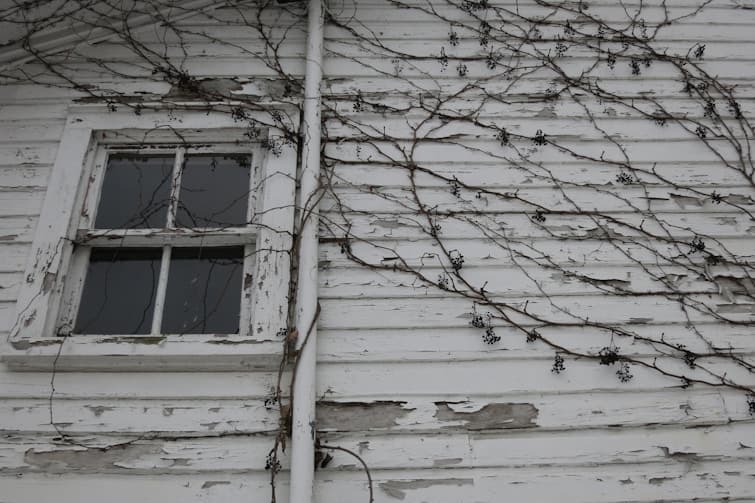
- Wood framing and siding. Wood holds water longer than block, and wood siding has many more joints and nail penetrations than stucco. Wind-driven rain from afternoon storms finds those joints.
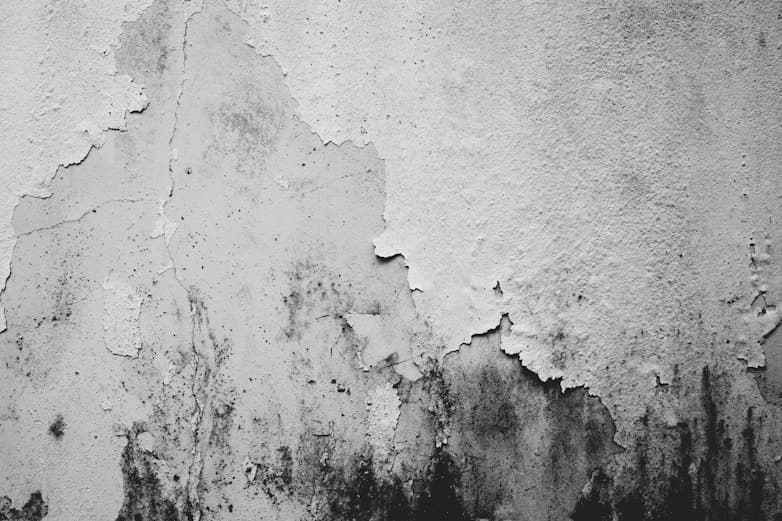
- Original plaster over lath. Plaster is dense and does not feed mold as readily as drywall paper, but the wood lath behind it does, and the wall cavity has no vapor barrier. Water that gets in stays in.
- Layers of additions. A kitchen bumped out in the 1960s, a bathroom added in the 1980s, a porch enclosed last decade. Each addition creates a roof valley or wall seam where the two structures meet, and those seams are where leaks start.
- Oak canopy and shade. Mount Dora's mature live oaks keep roofs and north-facing walls in shade much of the day. Shaded surfaces dry slowly after rain and hold dew longer in the morning.
- Retrofitted air conditioning. Central air was added long after these houses were built, often with ductwork routed through the crawl space or an unconditioned attic. Cold ducts in humid spaces sweat.
None of these traits means a historic home will have mold. They mean that when moisture enters, it behaves differently than in a modern block house, and the inspection has to follow it.
Where assessors find moisture in Mount Dora homes
In older houses around the downtown district, the Lake Dora shoreline and the neighborhoods east toward Eustis, a few locations come up repeatedly.
| Location | Typical cause | How it is found |
|---|---|---|
| Subfloor and joists in the crawl space | Humid air condensing on cooled wood; poor drainage under the house | Moisture meter readings on joists, visual inspection, crawl space humidity |
| Base of exterior walls behind plaster | Wind-driven rain through siding joints; wicking from damp piers | Thermal imaging shows cool bands; pinless meter confirms |
| Ceilings below addition rooflines | Valley flashing failures where new roof meets old | Thermal scan after rain; staining on plaster |
| Around original windows | Failed glazing and sills; condensation on single-pane glass | Visual, meter readings on sill and apron |
| Bathroom walls with later tile | Grout and caulk failures over wood framing with no backer board | Elevated readings on the adjacent wall and floor |
| Closets on north walls under oak shade | Slow drying and still air | Surface sampling, humidity logging |
Because these conditions sit behind finished surfaces, a visual inspection alone misses most of them. A thermal camera shows where surfaces are cooler because they are damp, and a moisture meter confirms it, which lets an assessor map the problem without tearing into original plaster.
How the inspection is adapted for historic materials
Owners of older homes are rightly protective of their finishes. A good inspection respects that.
- Non-destructive first. Thermal imaging, pinless moisture meters, air sampling and tape-lift surface samples leave no marks and cover most of what needs to be learned.
- Crawl space entry. The assessor enters the crawl space with a light and meter rather than guessing from the vents. The underside of the floor tells more about the house's moisture history than any interior wall.
- Attic inspection. Older attics often have no soffit ventilation and ducts added later. The assessor checks sheathing, rafters and duct insulation for condensation staining.
- Discreet cavity sampling only when needed. If a wall cavity must be sampled directly, a small access point in an inconspicuous spot is agreed on beforehand and photographed.
- Outdoor comparison samples. Lake humidity and heavy oak pollen can elevate outdoor spore counts. Comparing indoor samples to outdoor samples taken the same day keeps the lab results in context.
- Material-specific protocol. If remediation is needed, the protocol distinguishes original materials that can be cleaned in place from those that must be removed, so the remediator does not strip plaster that could have been saved.
Samples go under chain of custody to an independent accredited laboratory. Because UES assesses and tests only, and never performs the remediation, there is no incentive to recommend removing more of a historic home than the evidence supports. For many owners of older houses that independence is the main reason they call an assessor rather than a contractor.
Buying or selling a historic Mount Dora home
Older homes change hands often in Mount Dora, and mold questions come up in nearly every transaction. A standard home inspection will note visible staining, but it does not include sampling, moisture mapping or a protocol. A pre-purchase mold inspection does, and it gives a buyer a document to negotiate with and a seller a way to address concerns before listing. If a seller already has a report in hand, a second opinion from an assessor with no stake in the repair cost is a reasonable step before accepting or rejecting a credit.
Living with an older home in Lake County
Once you know the condition of the house, a few habits reduce the risk going forward.
- Keep indoor relative humidity below 60 percent, ideally between 30 and 50, and check it in closets and bathrooms, not just at the thermostat.
- Have the crawl space inspected after major storms and at least once a year. Grading that sends water under the house is the most common fixable cause of subfloor moisture.
- Trim oak limbs back from the roof and walls so surfaces can dry.
- Re-caulk and re-glaze original windows rather than ignoring them until the sill is soft.
- When adding air conditioning or replacing ductwork, insist on sealed, insulated ducts and avoid routing them through the crawl space where possible.
- Treat any musty odor as information. In a historic home, a smell with no visible source usually means the crawl space or a wall cavity.
UES serves Mount Dora, neighboring Eustis and the rest of Lake County from our office in Leesburg.
When to call UES
If you own, are buying or are selling a historic home in Mount Dora and want to know what is actually behind the plaster and under the floor, UES has provided independent, Florida-licensed mold assessment in Lake County since 2000. We assess, test and diagnose. We do not remediate. Book an assessment online or call (407) 438-4684, Monday through Friday, 9:00 AM to 5:30 PM. Findings, photos and the written protocol are delivered through the UES Client Portal.
Related reading
Frequently asked questions
Do older Mount Dora homes have more mold than new ones?
Not necessarily more, but different. Historic homes in Mount Dora often have crawl spaces, original plaster, wood framing and decades of additions, so moisture has more paths and more places to hide. New homes have their own problems, usually tied to tight envelopes and construction moisture. An inspection of an older home spends more time under the floor and inside wall cavities than a new-home inspection would.
Can an assessor test for mold without damaging historic plaster or woodwork?
Yes. Most of the inspection is non-destructive: thermal imaging, pinless moisture meters, air sampling and surface tape lifts leave no mark. If a wall cavity needs to be sampled directly, the assessor will discuss a small, discreet access point with you first and document it. Protecting original finishes is a normal part of inspecting historic houses.
Should I get a mold inspection before buying a historic home in Mount Dora?
A general home inspection notes visible staining and obvious moisture, but it is not a mold assessment. For an older house with a crawl space, original plaster or signs of past roof or plumbing repairs, a dedicated pre-purchase mold inspection by a licensed assessor tells you what you are taking on before you close. It is also the only way to get a written protocol you can use to negotiate or plan repairs.
Worried about what you just read?
An independent UES assessment tells you exactly what is going on, what caused it and what to do next. Book online or call.