Mold inspection for lakefront homes in Tavares and Eustis, FL on the Harris Chain of Lakes: high water tables, seawalls, boathouses and storm moisture.
A home on Lake Dora, Lake Eustis or Lake Harris comes with a view most Floridians would trade for, and with a moisture load most inland homes never face. Lakefront owners in Tavares and Eustis deal with a high water table beneath the slab, humid air moving off the water, seawalls that direct drainage, and afternoon storms that arrive from across open water with nothing to slow them down. This guide covers what a mold inspection on the Harris Chain of Lakes actually looks for and why the usual checklist is not enough here.
The direct answer
A mold inspection for a lakefront home in Tavares or Eustis should cover three things an inland inspection might not: moisture rising from below through the slab and lower walls, condensation driven by the lake's humidity against air-conditioned surfaces, and water intrusion from storms and high lake levels. The assessor uses thermal imaging and moisture meters on the lower three feet of every exterior wall, samples indoor and outdoor air for comparison, and checks the enclosed spaces closest to the water. If growth is found, the protocol identifies the moisture source so the problem does not return with the next wet season.
Why the Harris Chain changes the moisture picture
Tavares, the Lake County seat, sits between Lake Dora and Lake Eustis with Lake Harris to the south. Eustis wraps the north shore of its namesake lake. The lakes are shallow, broad and connected by canals, and that geography affects homes in several ways.
- High water table. On many lakefront lots the groundwater sits only a short distance below the slab. Concrete is porous. Moisture moves up through it by capillary action and evaporates into the house, especially under flooring that does not breathe, such as vinyl plank and tile with a tight underlayment.
- Lake humidity. Open water adds moisture to the air around it. Homes within a few hundred feet of the shore see higher outdoor humidity than homes a mile inland, and that humid air enters every time a door opens or a lanai slider is left ajar.
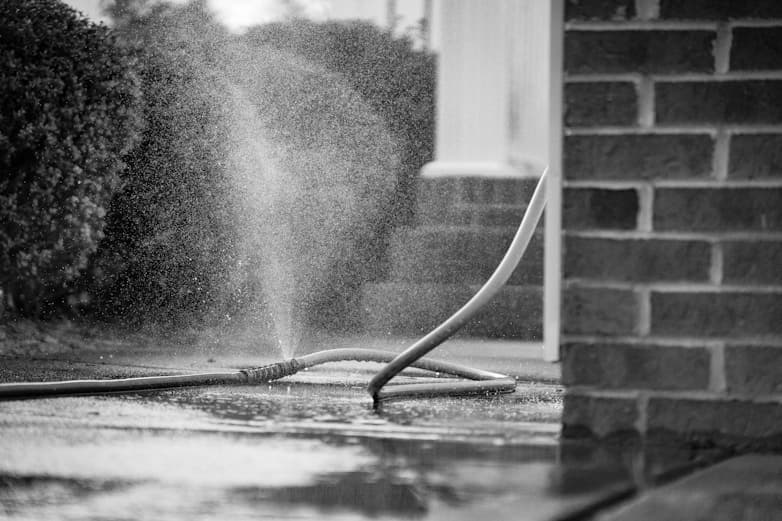
- Seawalls and drainage. A seawall holds the lot in place but also changes how rainwater leaves the property. Lots that slope toward the house, or where the seawall cap directs runoff back toward the slab, keep the soil at the foundation saturated.
- Afternoon storms across open water. Summer thunderstorms build to the west and move across the lakes. Wind-driven rain hits lakeside walls, windows and sliding doors at full force, and the lake side of a house is usually the side with the most glass.
- Boathouses, docks and lake-side storage. Enclosed structures over the water stay damp year-round and are usually filled with porous contents.
- Lanais facing the lake. Nearly every lakefront home has a screened or enclosed lanai on the water side. Enclosed lanais with acrylic windows become humidity buffers that sweat against the house wall.
Where moisture shows up in lakefront homes
| Area | What happens | What the assessor does |
|---|---|---|
| Bottom of exterior walls, lake side | Wicking from saturated soil and the slab edge | Meter readings every few feet along the base; thermal scan for a cool band |
| Under flooring on slab | Vapor from the slab trapped beneath non-breathing floors | Moisture readings at floor edges and transitions; check for cupping or lifting |
| Sliding door tracks and lake-facing windows | Wind-driven rain overwhelming the track drainage | Visual, meter readings on the wall below the track and on the adjacent floor |
| Lanai shared wall | Condensation on the cooled house wall from humid lanai air | Thermal scan from inside, surface sampling if staining is present |
| Boathouse and dock storage | Still, humid air over water; damp contents | Visual, humidity readings, surface sampling of stored items if requested |
| Garage and utility rooms on the lake side | Slab vapor plus water heater and washer leaks | Meter readings at the slab edge and around appliances |
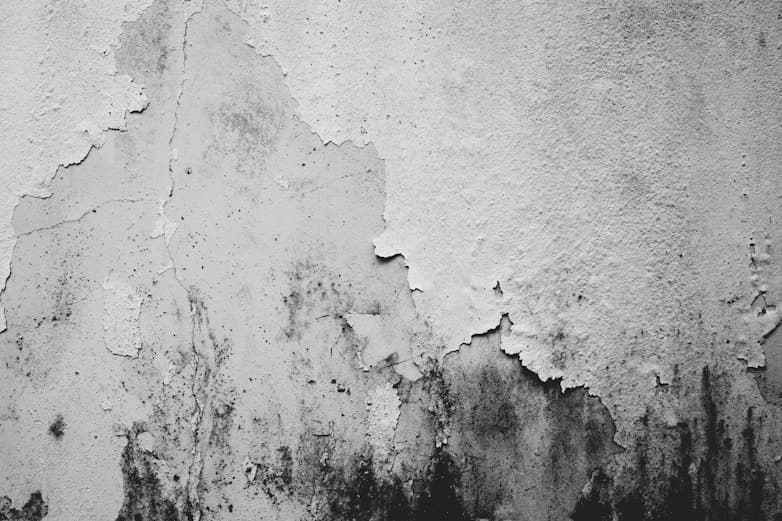
The lower wall band is the most important area. In block homes the cells of the block carry moisture upward, and the drywall or furring strips on the inside face are the first materials to feed growth, behind baseboards and at the back of lower cabinets where no one looks.
What a lakefront inspection should include
- Exterior walk with the lot in mind. The assessor looks at grading, the seawall cap, downspout discharge and where water would pool after a heavy rain.
- Lower-wall moisture mapping. Every exterior wall is scanned with a thermal camera and spot-checked with a moisture meter from the floor up, with particular attention to the lake side.
- Floor assessment. Readings are taken at floor edges, under area rugs and at transitions between flooring types to detect slab vapor.
- Window and door review. Each lake-facing opening is inspected inside and out, with meter readings on the wall and floor below.
- Lanai and enclosed spaces. Temperature and humidity are recorded in the lanai, boathouse and garage and compared to the living space.
- Air sampling with outdoor comparison. Indoor samples are compared to an outdoor sample taken the same day so lake-side pollen and spore counts do not skew the interpretation.
- Surface sampling. Suspect staining is sampled to confirm whether it is mold, efflorescence from the block or simply dirt.
- Written findings and protocol. Results are delivered through the UES Client Portal with the moisture source identified, so remediation, if needed, addresses the cause and not just the growth.
Samples go under chain of custody to an independent accredited laboratory. UES assesses, tests and diagnoses only and never performs remediation, so a finding is never larger or smaller than what the readings show. On lakefront properties, where a drainage change may matter more than any cleanup, that independence keeps the recommendation focused on the building.
When the inspection points to water entering from outside, a water intrusion and damage assessment goes further into the path the water is taking and what it has reached.
After a storm or a high-water season
Hurricane season and the summer rainy season overlap, and the lakes respond. Even when water does not reach the house, saturated soil at the foundation can push moisture into block and slab for weeks afterward. A few practical steps:
- Photograph the lot and the base of the walls after any storm that raised the lake.
- Check sliding door tracks and the floor inside them the morning after a wind-driven storm.
- Run the air conditioner normally after a storm rather than opening the house to air it out. Outdoor air after a storm is near saturation.
- If you smell mustiness that was not there before, do not wait for it to fade. Growth from a storm event becomes established within days.
- For a home that took in water, schedule an assessment before drying contractors remove materials, so the extent is documented for insurance.
Day-to-day moisture control on the lake
- Keep indoor relative humidity below 60 percent, measured near the lake-side wall, not only at the thermostat.
- Keep lanai sliders closed when the lanai is hotter and more humid than the house.
- Make sure the seawall cap and any landscaping direct water away from the slab.
- Extend downspouts so roof water does not discharge at the foundation.
- Store boathouse contents in sealed containers and allow airflow through the structure.
- Lift area rugs on slab floors periodically and check underneath.
UES serves Tavares, Eustis and the rest of the Harris Chain of Lakes from our Leesburg office.
When to call UES
If your lakefront home in Tavares or Eustis has a musty odor, staining along the lower walls, lifting floors or any sign of water after a storm, an independent assessment tells you where the moisture is coming from and what it has reached. UES has provided Florida-licensed mold assessment in Lake County since 2000. We assess, test and diagnose. We do not remediate. Book an assessment online or call (407) 438-4684, Monday through Friday, 9:00 AM to 5:30 PM.
Related reading
Frequently asked questions
Does living on a lake in Tavares or Eustis make mold more likely?
It raises the moisture load on the house. Lakefront lots often have a high water table, so slabs and lower walls stay damp from below, and the open water adds humidity to the air that reaches the home. Neither guarantees mold. What matters is whether the house is draining, drying and dehumidifying well enough to handle that load, and an inspection measures exactly that.
Should my boathouse or dock storage be included in a mold inspection?
If it is enclosed and you store anything in it, yes. Boathouses and dock lockers sit directly over water with little air movement, and the contents tend to be fabrics, cushions and life jackets that hold moisture. More importantly, if the boathouse connects to the house by a covered walkway or shares a power or water line, moisture can follow that path. We treat it as part of the property.
How soon after a storm should a lakefront home be inspected?
If water entered the house, as soon as it is safe, because wet materials can support mold growth within 24 to 48 hours. If the lake rose but did not reach the house, a thermal scan of the lower walls and slab within the following week is a sensible check, since groundwater can wick into block and slab without any visible flooding.
Worried about what you just read?
An independent UES assessment tells you exactly what is going on, what caused it and what to do next. Book online or call.