How vacation rental owners in Clermont, FL and South Lake County use independent mold inspection to protect guests, reviews and the home between bookings.
Owning a vacation rental in Clermont means managing a home you may rarely see, in a climate that punishes any lapse in humidity control, for guests who notice everything and write reviews. From the US 27 corridor south to Four Corners, thousands of pool homes sit empty for stretches between bookings while South Lake County's humidity does its quiet work. A musty review, a guest refund or a manager's text about a stain on the ceiling is often the first sign.
This guide explains how mold develops in Clermont-area rental homes, what an independent mold inspection delivers for owners and managers, and how to build inspection into your operating routine.
The direct answer
Vacation rental owners in Clermont should treat mold inspection as risk management rather than an emergency response. An independent, Florida-licensed mold assessor documents humidity conditions, finds moisture sources, tests air and surfaces through an accredited lab and provides a written protocol you can hand to a remediator and share with your insurer or management company. Scheduling an inspection when a credible complaint arises, after any water event and periodically as a baseline protects guests, the property and your rating.
Why Clermont rentals are vulnerable
Clermont and the Four Corners area, where Lake, Orange, Osceola and Polk counties meet, hold one of the densest concentrations of short-term rental homes in the state because of their proximity to the theme parks. These properties share traits that increase mold risk:
- Inconsistent occupancy. A home may be full for a week, empty for ten days, then full again. Every vacancy is a period when the thermostat is set high and humidity climbs.
- Guest thermostat habits. Guests from cooler climates often set the AC very low, chilling the drywall and ductwork so that condensation forms when the system cycles. Others leave sliding doors open to the pool deck for hours, loading the house with humid air.
- Pool enclosures and lanais. Nearly every rental has a screened pool cage or covered lanai. The shared wall and the sliders are cool surfaces facing warm, wet air.
- Heavy water use. Multiple bathrooms running back to back, laundry between every stay and pool-wet towels on carpeted floors add moisture that an empty household never would.
- Game room garages. Converted garages used as game rooms are often poorly insulated and conditioned by a mini-split or a single supply run. They sweat.
- Deferred maintenance. Owners who live out of state or abroad rely on managers, and small leaks under sinks or at the water heater can go unnoticed for weeks.
- Storm exposure. Clermont's hills and open developments in Minneola, Groveland and Davenport take the full force of summer storms and tropical systems, and roof or window intrusion during a vacancy may not be seen until the next guest.
What the inspection delivers for an owner
Documentation you can act on
A comprehensive mold assessment produces a report with photographs, humidity and moisture readings, thermal images and lab results from an independent accredited laboratory, all delivered through the UES Client Portal. If growth is confirmed, the report includes a remediation protocol stating which materials to remove, how far and under what containment, plus a vetted remediator list and a Remediation Tracker that both the owner and manager can follow.
Objective findings
UES does not perform remediation and does not accept referral fees from contractors. Florida licenses mold assessors and mold remediators separately through the DBPR for exactly this reason: the person diagnosing the problem should not profit from its scope. For rental owners weighing a manager's recommendation against a remediator's quote, an independent assessment settles the question with data.
Clearance for reopening
After remediation, post-remediation verification confirms the work is complete and airborne levels are back to normal before the next guest checks in. That clearance documentation also protects you if a later guest raises a complaint.
Where we find growth in Clermont and Four Corners rentals
| Location | What we find | Why |
|---|---|---|
| Interior face of lanai wall | Staining, soft drywall near sliders | Humid pool-deck air meets cooled wall |
| Master closets | Growth on drywall and stored linens | Doors closed during vacancies |
| Around ceiling registers | Dark halos | Guests set AC very low; ducts sweat |
| Game room garage | Growth on walls, ceiling, stored items | Under-conditioned converted space |
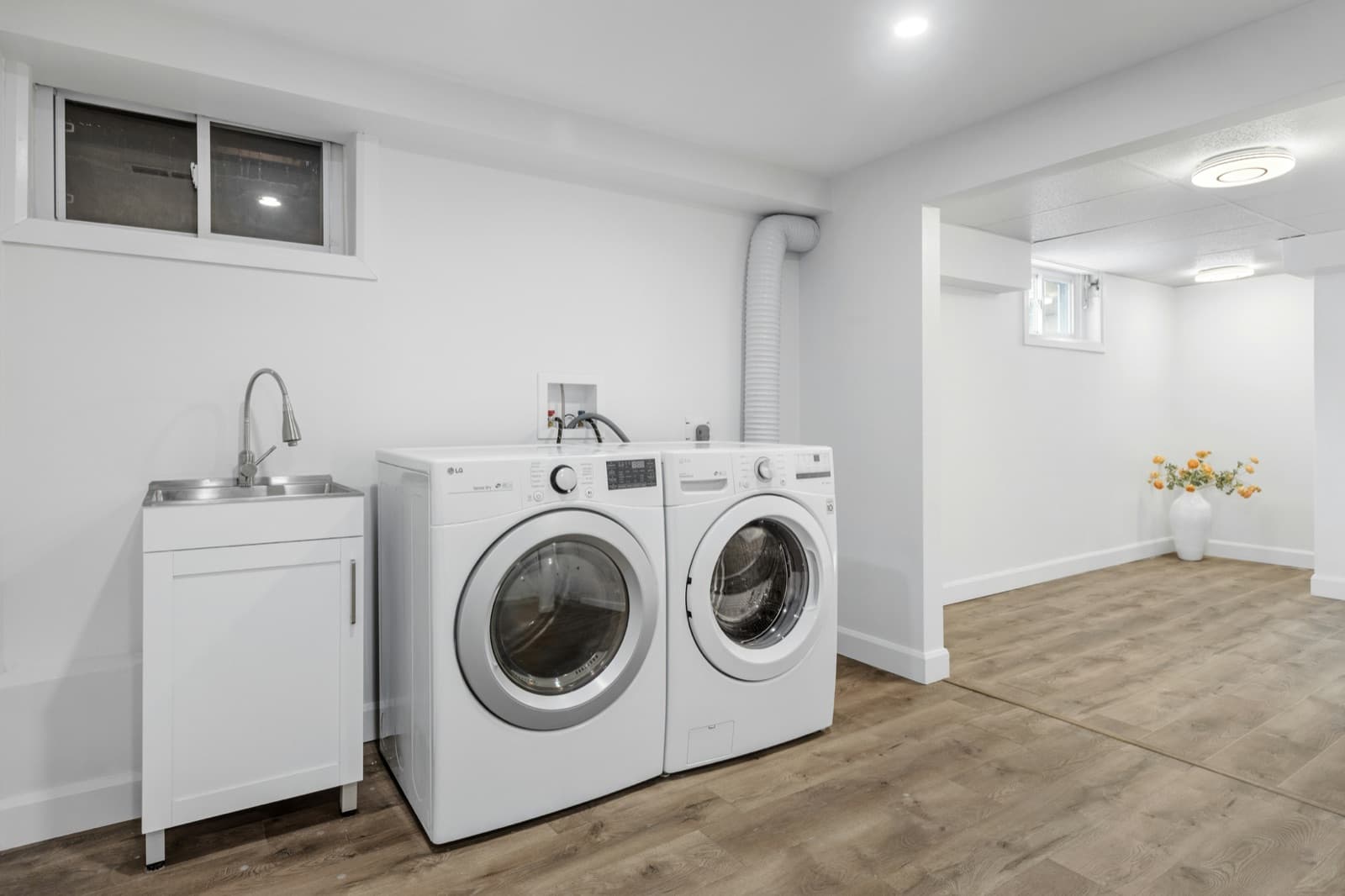
| Laundry room | Growth behind washer, swollen trim | Constant turnover laundry, poor venting |
| Air handler closet | Growth on plenum and drywall | Long run times with high humidity |
Building inspection into your operating plan
- Set a vacancy humidity protocol. Thermostat no higher than the mid-70s when empty, or a humidity-controlled mode that runs the AC when humidity exceeds a set point. Consider a dehumidifier for homes with long low-season gaps.
- Train cleaners to look. A quick check of closet walls, register halos, under-sink cabinets and the lanai wall at every turnover catches problems early. Give them a simple photo checklist.
- Respond to odor complaints with inspection, not fragrance. Plug-in scents and ozone generators mask symptoms, and the latter can damage materials and pose health risks. Guests will notice the next stay anyway.
- Inspect after every water event. A toilet overflow, a water heater failure or a storm leak justifies a water intrusion and damage assessment even if everything appears dry. Materials can support growth within 24 to 48 hours.
- Take a baseline. An initial assessment, or indoor air quality and allergen testing when there is no visible problem, gives you documented conditions to compare against later complaints.
- Keep records in one place. The Client Portal keeps reports, protocols and clearance documents together so a manager, insurer or future buyer can see the property's history.
A note on guests with symptoms
Occasionally a guest reports headaches, congestion or irritated eyes during a stay and attributes it to the home. Do not diagnose or dismiss. Suggest they speak with a physician, document the complaint and have the property evaluated. Air testing either confirms a problem to address or gives you data showing the home was within normal ranges.
When to call UES
UES serves Clermont, Minneola, Groveland, Montverde and the Four Corners area from our Lake County headquarters in Leesburg, and we regularly coordinate with out-of-state owners and local property managers. If a guest has complained about odor, a cleaner has reported staining, or a storm or leak has affected the home, book an assessment online or call (407) 438-4684. Our Clermont service area page has more on how we work with rental properties in South Lake County.
Related reading
Frequently asked questions
A guest complained about a musty smell in my Clermont rental. What should I do first?
Take the complaint seriously and document it. Have your property manager or cleaner check humidity, look for visible growth in closets, bathrooms and around registers, and photograph anything they find. If the odor is reported by more than one guest or is accompanied by staining or condensation, schedule an independent inspection before the next booking rather than masking it with fragrance.
Can an inspection be scheduled between guest turnovers?
Yes. Most single-family rental inspections take two to three hours on site, and we work with property managers to fit between checkout and check-in. Lab results follow within a few business days and are posted to the UES Client Portal, which the owner and manager can both access.
Does the pool enclosure affect mold risk inside the rental?
It can. Screened pool cages and covered lanais hold humid air against the rear sliding doors and the shared wall of the home. When the AC is running inside, that wall and the glass are cool surfaces and condensation forms. We routinely find growth on the interior side of lanai walls and on drywall near the sliders in Four Corners and Clermont rentals.
Worried about what you just read?
An independent UES assessment tells you exactly what is going on, what caused it and what to do next. Book online or call.