How plumbing and slab leaks cause hidden mold in Florida slab-on-grade homes, the warning signs, where growth hides and how assessors confirm the extent.
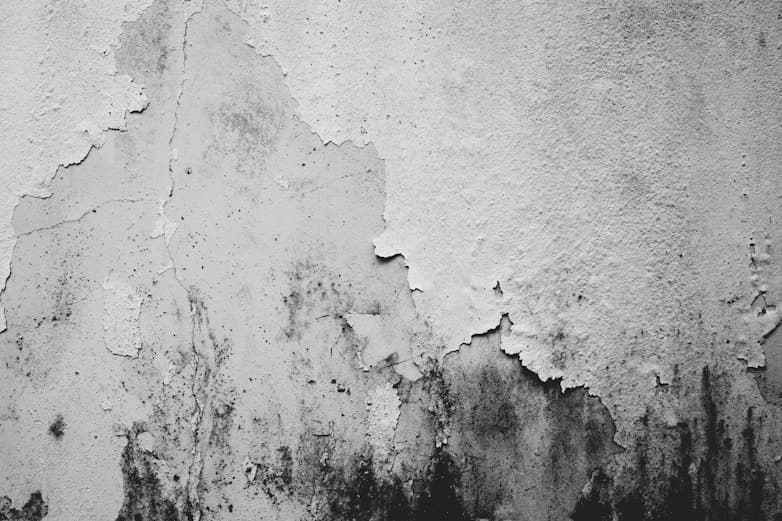
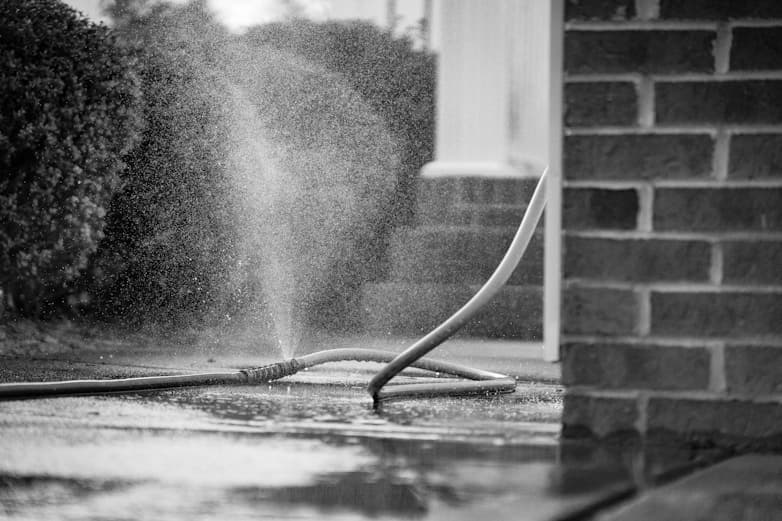
A slow plumbing leak is the opposite of a hurricane. Nothing dramatic happens. There is no water on the floor, no event to point to. The bill creeps up, a spot on the tile feels warm, a closet smells a little off, and by the time anyone connects the dots, the wall has been wet for a month.
Florida's slab-on-grade construction makes these leaks especially good at hiding. This post covers how plumbing and slab leaks lead to mold, where that mold tends to be and how an independent assessment separates the plumbing problem from the mold problem.
The short answer
Plumbing and slab leaks cause mold because they keep materials wet continuously, usually for far longer than the 24 to 48 hours it takes for growth to begin. Fixing the pipe stops the water but does not dry the wall. Any area that was wet for more than a couple of days before repair should be moisture-mapped and, if readings are elevated, assessed for mold before it is closed up or ignored.
Why slab homes are vulnerable
Most homes built in Central Florida since the 1960s sit on a poured concrete slab with water supply and drain lines running through or beneath it. When a copper supply line pinholes from corrosion, or a drain line cracks from settling, the water has nowhere to go but into the soil and up into the concrete.
Concrete is porous. It wicks water upward into whatever sits on it: the wood bottom plate of every wall, the paper on the back of the drywall, the underlayment beneath laminate and the particleboard base of kitchen cabinets. The surface tile may look perfect while the wall above it is saturated from the inside.
Older homes in Orlando, Sanford, Ocala and Leesburg with original copper plumbing are common slab leak candidates, but newer homes are not immune. Drain line failures from poor installation and settling occur in homes of every age.
Warning signs of a plumbing or slab leak
Most people discover slab leaks through the water bill, but there are earlier clues.
- A water meter that turns with every fixture shut off
- Warm or hot spots on tile, often from a hot water supply leak
- Laminate or vinyl plank flooring that cups, lifts or feels soft
- Baseboards that darken, swell or pull away from the wall
- A musty odor in one area with no visible mold
- Carpet that is damp near an interior wall with no adjacent bathroom
- Hairline cracks in tile grout that widen over weeks
- Lower water pressure at one or more fixtures
Interior leaks behind walls are different but related: a supply line to a toilet or refrigerator, a shower pan, a drain trap under a vanity. These show up as stains, soft drywall and growth inside cabinets and behind toilets.
Where the mold ends up
The leak location and the mold location are rarely the same spot. Water travels through concrete and wall cavities along the path of least resistance.
| Leak type | Typical mold locations |
|---|---|
| Hot water supply under slab | Bottom plates and lower drywall of walls within several feet, often multiple rooms |
| Cold water supply under slab | Same pattern, slower discovery because no warm spot |
| Drain line under slab | Localized near the fixture, frequently under kitchens and bathrooms |
| Refrigerator or dishwasher supply | Cabinet bases, toe kicks, drywall behind the appliance |
| Shower pan or tile failure | Wall shared with the shower, often visible in the adjacent closet |
| Toilet supply or flange | Behind the toilet, subfloor edge, baseboard on the shared wall |
Closets that share a wall with a bathroom or kitchen are the most common place we find growth from plumbing leaks, because they have no airflow and nobody looks at the back wall.
Fix the pipe, then deal with the water
A plumber solves half the problem. Repairing or rerouting the line stops the supply. The materials that were wet for weeks are still wet, and anything that began growing while the leak ran is still there.
A UES water intrusion and damage assessment picks up where the plumber leaves off. Using pinless moisture meters, pin meters and thermal imaging, we map the extent of the moisture through the slab and up the walls, compare readings against dry reference areas and document which materials have crossed into mold-supporting territory. This mapping is what tells you whether you are looking at a small drying job or a section of drywall and cabinets that needs to come out.
When a mold assessment is warranted
If the moisture mapping shows elevated readings in drywall, framing or cabinets, or if there is odor or visible staining, a comprehensive mold assessment determines what is growing and how far it extends. The process includes:
- Forensic visual inspection of the affected and adjacent rooms
- Moisture source confirmation (is the leak truly stopped, and is there a second one?)
- Air sampling in affected areas compared against outdoor and unaffected indoor samples
- Surface sampling of suspect growth
- Chain of custody delivery to an independent accredited lab
- A written remediation protocol delivered in the UES Client Portal
Because UES only assesses and never remediates, the protocol describes what the building needs. We do not accept referral fees from contractors, so the vetted remediator list in your portal is not a sales channel.
The insurance angle
Many homeowner policies treat sudden plumbing failures differently from long-term seepage, and mold coverage often has its own limits. The documentation that matters most is a dated record of when the leak was found, when it was repaired, moisture readings showing the extent and lab results showing whether growth is present. Keep plumber invoices, photos and the assessment report together. Consult your policy or your agent for how your specific coverage treats slab leaks and mold; the documentation is useful regardless of what the answer turns out to be.
Preventing the next one
- Know where your main shutoff is and test it once a year.
- If your home has original copper under the slab, ask a plumber about repiping through the attic, which many Florida homeowners choose after a second leak.
- Replace rubber appliance supply lines with braided stainless lines.
- Check under sinks, behind toilets and around the water heater monthly for dampness.
- Install leak sensors at the water heater, under the kitchen sink and behind the washing machine.
- Watch the water bill. A sustained increase without a change in habits deserves a meter test.
When to call UES
Call after a plumbing or slab leak when the leak ran for more than a day or two, when flooring or baseboards show damage, when you notice odor near the repair, or when a contractor wants to close walls that were never moisture-tested. We serve Orlando, Sanford, Ocala, The Villages and all of Florida.
Book an assessment online or call (407) 438-4684, Monday through Friday, 9:00 AM to 5:30 PM.
Related reading:
Frequently asked questions
How do I know if I have a slab leak?
Common signs include a water bill that climbs without a change in use, warm spots on tile floors, a water meter that keeps spinning with every fixture off, damp or lifting flooring, and musty odors with no visible source. A plumber can confirm the leak with pressure testing; an assessor maps where the moisture has traveled and whether mold has followed.
Can a slab leak cause mold inside walls?
Yes. Water escaping under the slab wicks upward through the concrete and into the bottom plates and drywall of nearby walls. Because the leak is below the floor, the drywall often stays wet for weeks before anyone notices, which is well beyond the 24 to 48 hour window where mold can begin.
Should I test for mold after a plumbing leak was repaired?
If the leak ran for more than a day or two before repair, or if any drywall, cabinets or flooring stayed wet, testing is worth doing. Repairing the pipe stops new water but does nothing about the moisture already in the materials or any growth that started while it ran.
Worried about what you just read?
An independent UES assessment tells you exactly what is going on, what caused it and what to do next. Book online or call.