Soot contamination after a fire spreads into ducts, insulation and porous materials that cleaning never reaches. How Florida homeowners confirm a home is clean.
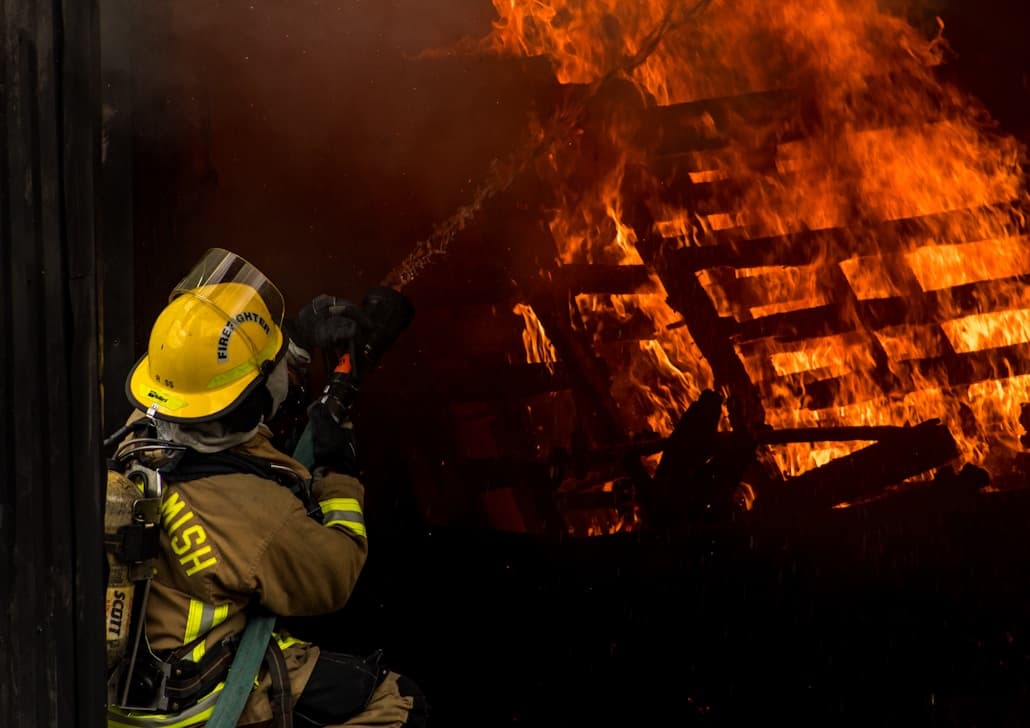
The walls have been washed, the carpets replaced and the painter has done two coats. The restoration contractor's invoice says the house is complete. And yet every time the air conditioning kicks on, there is a faint smell of smoke, and a week after move-in there is a gray film on the top of the refrigerator again.
Soot behaves differently from ordinary dirt, and a fire-damaged home can look spotless while remaining contaminated in the places cleaning never reached. This post explains where soot goes, why wiping and painting fall short and how independent post-fire testing confirms whether a home is actually clean.
The short answer
Cleaning removes soot from the surfaces a crew can see and reach. It does not remove soot that has migrated into ductwork, attic insulation, wall cavities, behind cabinets and inside porous materials, and it does not remove odor compounds that have absorbed into drywall and wood. A home is clean when testing shows residue levels in the cleaned areas, the HVAC system and the attic are comparable to unaffected reference areas, not when it looks and smells acceptable on a walkthrough.
What soot actually is
Soot is the solid residue of incomplete combustion: carbon particles coated with oils, tars, acids and partially burned compounds from whatever fueled the fire. Its character depends on the fuel.
| Fire type | Soot character | Cleaning behavior |
|---|---|---|
| Wood, paper, natural materials | Dry, powdery, gray to black | Dusts and vacuums reasonably well, travels far on air currents |
| Plastics, synthetics, electronics | Wet, sticky, smeary, acidic | Smears with wiping, etches metals, bonds to paint |
| Grease and cooking oil | Oily, thin film | Nearly invisible, resists dry cleaning, strong odor |
| Protein (burned food) | Almost no visible residue | Intense lingering odor that penetrates paint and wood |
Most residential fires involve a mix. A living room fire burns a sofa (synthetic foam and fabric), a side table (wood), a lamp (plastic and metal) and a stack of magazines (paper), producing all four soot types at once.
The particles are small. A large fraction falls into the fine particulate range, which means they stay suspended for hours, pass through gaps and standard filters and reach deep into the lungs when inhaled. Anyone with symptoms should see a physician; the building side is what testing addresses.
Where soot goes that cleaning does not
The HVAC system
If the air conditioning was running during the fire, and in Florida it almost always was, the return pulled smoke into the air handler. Soot coats the filter, the blower, the coil and the inside of every supply duct. Each time the system runs afterward, it releases particulate and odor into rooms that were just cleaned. This is the single most common reason a cleaned home still smells.
The attic
Hot smoke rises and finds every gap into the attic: recessed lights, the access hatch, bath fan housings, plumbing chases and the top plates of walls. Blown-in insulation is an enormous filter that captures soot and odor and never releases it. A cleaned house with contaminated attic insulation smells like smoke on every warm afternoon as the attic heats and air moves down through the same gaps.
Wall cavities and behind fixtures
Smoke enters wall cavities through outlets, switches and gaps at the baseboard. It settles on the back of the drywall and on the insulation inside exterior walls. Behind kitchen cabinets, bathroom vanities and built-ins, soot sits on surfaces a crew would have to remove the fixture to reach.
Porous materials
Drywall, wood framing, unfinished wood inside cabinets, carpet padding, mattresses, upholstered furniture and books absorb odor compounds. Painting over drywall seals some of it, but odor often works back through, especially in humid conditions. Florida's humidity accelerates the problem because moisture in the air helps release absorbed compounds.
Contents
Closets full of clothing, dressers, bedding, stuffed animals and paper records absorb smoke. Items that were cleaned and returned can re-contaminate a room if the cleaning was superficial.
Why the walkthrough is not a test
Restoration crews work hard, and most do good work within their scope. The problem is that the scope is often defined by what is visible, and the sign-off is a visual and odor walkthrough on a day when the house has been aired out and the air conditioning has not run for hours.
That is exactly the condition under which residual contamination is least detectable. Turn the system on, close the house up for a humid Florida afternoon and the odor returns, because the sources were never removed.
What post-fire testing looks for
UES post-fire contaminant testing is designed to answer one question: is residue still present in places that will affect indoor air. The process:
- Surface sampling in cleaned rooms, in rooms far from the fire origin and in reference areas believed unaffected, to detect soot and char that remain.
- HVAC sampling of the air handler interior, the filter area and accessible supply ducts.
- Attic inspection and sampling of insulation and the roof deck near the fire area and near the attic access.
- Air sampling for particulates with the system running normally, compared to outdoor air.
- Inspection behind accessible fixtures and inside wall cavities where openings exist.
- Moisture mapping of the fire area, since suppression water left behind can start mold within 24 to 48 hours and is routinely overlooked in fire restoration. If readings are elevated, a water intrusion and damage assessment defines the drying scope.
- Chain of custody delivery of all samples to an independent accredited laboratory.
- A written report in the UES Client Portal defining which areas pass, which still carry residue and what additional work is indicated.
Pre-restoration testing establishes the extent so the scope is based on evidence. Post-restoration testing confirms the work. Both are more useful than a walkthrough.
The independence question
Fire restoration is a business where the company scoping the work is usually the company performing it. UES does not perform restoration, cleaning, duct cleaning or remediation, and does not accept referral fees from anyone who does. Florida separates mold assessor and remediator licensing for the same reason this matters after a fire: the party defining "clean" should not be the party being paid to get there. An independent report gives you and your insurer a defined scope and a defined finish line.
What to ask before signing off on restoration
- Was the HVAC system opened, cleaned and tested, or just the filter changed?
- Was attic insulation evaluated, and if contaminated, removed?
- Were cabinets and fixtures pulled where smoke could reach behind them?
- Were moisture readings taken in the fire area after suppression?
- Is there independent post-restoration testing, or only a walkthrough?
- Does the final report include lab results, or only a description of work performed?
If the answers are no, the house may look finished while remaining contaminated.
When to call UES
Call before restoration to document the extent, after restoration to confirm the work, or any time a cleaned home still smells of smoke or shows recurring residue. We serve Orlando, Sanford, Jacksonville, Tampa and all of Florida.
Book an assessment online or call (407) 438-4684, Monday through Friday, 9:00 AM to 5:30 PM.
Related reading:
Frequently asked questions
The restoration company cleaned everything and it looks fine. Why does it still smell?
Odor compounds from combustion absorb into porous materials such as drywall, insulation, wood framing, carpet padding and the inside of ductwork. Surface cleaning removes visible soot but not what has soaked in. Lingering odor usually means contaminated materials remain somewhere, often in the attic, inside walls or in the HVAC system.
Is soot dangerous after it has settled?
Settled soot is fine particulate that re-suspends every time someone walks, vacuums or the air conditioning cycles on. It also carries combustion byproducts that can irritate the eyes, skin and respiratory system. The health picture depends on the individual and should be discussed with a physician; the building picture is answered by testing.
How do I know when a fire-damaged home is actually clean?
Post-restoration testing compares surface and air samples from the home against unaffected reference locations and outdoor air. If soot and char residue remain in rooms that were cleaned, in the ducts or in the attic, the results show it. A passing clearance test is the independent confirmation that the work is done.
Worried about what you just read?
An independent UES assessment tells you exactly what is going on, what caused it and what to do next. Book online or call.