Filing a mold insurance claim in Florida? What documentation adjusters look for, how an independent assessment supports your file and what weakens a claim.
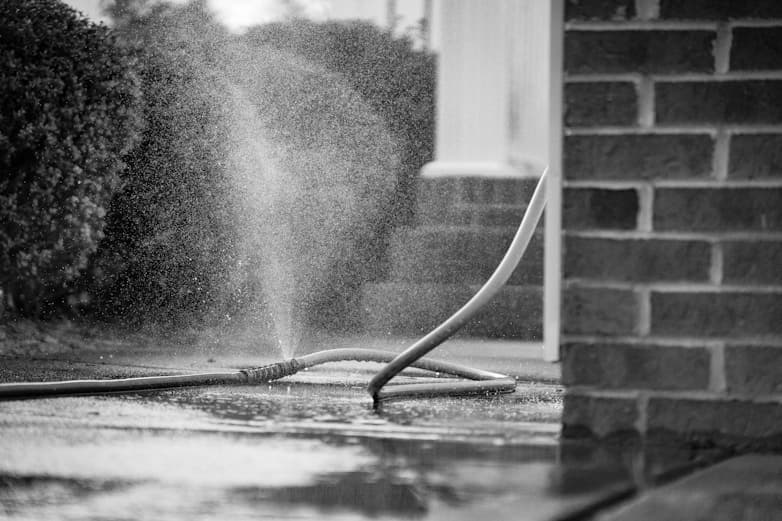
Water got into your Florida home, mold followed, and now you are trying to turn a stressful situation into a file that an insurance adjuster will accept. The outcome depends less on how bad the mold is and more on how well the story is documented: when the water arrived, where it came from, how fast you responded and what an independent professional found.
This post is a documentation guide. It is not legal advice, and it does not tell you what your policy covers. For coverage questions, read the policy, talk to your agent or consult an attorney. What follows is what a mold assessor sees helping and hurting homeowners' claims across Central Florida.
The short answer
A strong mold claim file contains four things: proof of the water event and its date, evidence that you acted quickly to limit damage, independent documentation of the moisture extent and lab-confirmed mold growth, and a written protocol that defines the scope of remediation. Gather these in that order, starting the day you find the problem.
Why the cause and timeline matter so much
Insurance generally treats sudden events differently from gradual ones. A burst supply line, a storm-driven roof leak or an appliance failure is a moment in time. Long-term seepage, chronic humidity or a leak that ran for months without anyone noticing is a different category, and many policies treat it differently.
Mold itself is almost always a consequence of one of those water events. That is why your documentation should focus first on the water: what happened, when and how you know. The mold is the downstream damage.
Dates are the backbone of the file. Materials can begin supporting mold growth within 24 to 48 hours of getting wet, so an adjuster will want to understand the gap between the water event and your response.
What to document, in order
1. The event
- Date and approximate time you discovered the water
- The source, if known (which pipe, which roof area, which appliance)
- Weather on that date if storm related
- Photographs of the source itself: the failed fitting, the roof opening, the overflowing pan
- Any plumber, roofer or restoration invoice that describes the failure
2. The damage as you found it
- Wide photographs of each affected room from the doorway
- Close photographs of water lines, stains, swollen baseboards, lifted flooring
- Photographs of contents that were damaged
- A short written list of what was wet, room by room
Date stamps matter. Most phones embed the date in photo metadata; keep the originals rather than screenshots.
3. Your mitigation steps
- Dates you shut off water, started fans or dehumidifiers, removed wet materials
- Receipts for equipment rentals, fans, dehumidifiers, tarps, plastic sheeting
- Photographs of removed materials before disposal, with a tape measure where useful
- Hotel or temporary housing receipts if you had to leave
4. Independent professional findings
This is where an assessment earns its place in the file. A UES water intrusion and damage assessment documents the moisture extent with thermal imaging and moisture meter readings, compared against dry reference areas in the same home. A comprehensive mold assessment adds air and surface sampling sent under chain of custody to an independent accredited lab, and a written remediation protocol.
The report describes the moisture source, the extent of affected materials, lab results and the scope of work needed. It is written by a Florida-licensed mold assessor who does not perform remediation and does not accept referral fees. That independence matters: a report from the same company quoting the removal work reads to an adjuster like an estimate, while an independent assessment reads like a finding.
What a well-organized claim file looks like
| Item | Format | Why the adjuster wants it |
|---|---|---|
| Timeline of events | One page, dated entries | Establishes sudden vs gradual |
| Source photographs | Originals with metadata | Confirms cause |
| Room-by-room damage photos | Originals, wide and close | Confirms extent |
| Mitigation receipts and dates | Scans or photos | Shows you limited damage |
| Moisture mapping report | Assessor report with readings | Independent extent of water |
| Lab results | Chain of custody and lab report | Confirms mold, identifies types |
| Remediation protocol | Written scope from assessor | Defines what the repair should include |
| Remediator estimate | From licensed remediator | Prices the protocol |
| Post-remediation verification | Assessor clearance report | Confirms work was completed |
Keep everything in one folder, digital and printed. The UES Client Portal holds the assessment findings, protocol and PRV in one place, which makes sharing with an adjuster straightforward.
Mistakes that weaken a mold claim
- Waiting to document until after cleanup. Once wet drywall is in a dumpster, it is hard to prove how much there was.
- Painting over stains before the adjuster visits. It looks like concealment even when it was just tidying.
- Relying on a free inspection from a remediation company. The adjuster may treat it as a bid, not a finding.
- No lab results. "It looks like mold" is an opinion. Lab-confirmed growth from an accredited lab is evidence.
- Vague dates. "Sometime last month" invites a gradual-damage interpretation.
- Letting a contractor start remediation with no protocol and no before photos. The scope becomes impossible to defend.
- Skipping the post-remediation verification. Without it, there is no independent record that the work was finished.
The role of the protocol in pricing the claim
A remediation protocol is a written scope: which materials come out, how far beyond visible growth, what containment and air filtration are required, how the area should be cleaned and what the finished condition must be. Remediators bid against the protocol, which gives you comparable estimates and gives the adjuster a defined scope to evaluate. Without a protocol, estimates vary widely because each contractor is defining the job for themselves.
After the claim: closing the loop
Once remediation is complete, a post-remediation verification visit confirms the area is dry, growth has been removed and air sampling in the work area compares acceptably to outdoor and unaffected indoor samples. Keep the PRV report with the rest of the file. It protects you if the same area is questioned later, and it becomes part of the home's history if you sell.
When to call UES
Call as soon as you discover water damage with staining, odor or visible growth, before materials are removed if possible, and before any contractor begins remediation. We serve Orlando, Tampa, Jacksonville, Daytona Beach and all of Florida.
Book an assessment online or call (407) 438-4684, Monday through Friday, 9:00 AM to 5:30 PM.
Related reading:
Frequently asked questions
Does homeowners insurance cover mold in Florida?
It depends on the policy and on what caused the mold. Many policies cover mold that results from a sudden, covered water event, often with a separate limit, and exclude mold from long-term seepage, humidity or neglect. Read your policy or ask your agent; the documentation you gather is useful either way.
Should I get a mold assessment before filing a claim?
Independent documentation of the moisture source, extent of damage and lab-confirmed growth strengthens any claim and gives you a clear record if the claim is disputed. The assessment should come from a licensed assessor who does not perform remediation, so the findings cannot be characterized as a sales estimate.
Can I start removing wet materials before the adjuster arrives?
Most policies expect you to take reasonable steps to prevent further damage, which includes removing standing water and wet materials. Photograph everything before you remove it, keep samples of removed materials where practical and keep receipts. Check your policy for its specific requirements.
Worried about what you just read?
An independent UES assessment tells you exactly what is going on, what caused it and what to do next. Book online or call.