Mold inspection in The Villages, FL for seasonal residents: why closed-up homes grow mold, what assessors check and how to coordinate from out of state.
Returning to The Villages after a summer away should feel like coming home, not like opening a storage unit. Yet every fall, residents across Sumter, Lake and Marion counties unlock their doors to a musty smell, a film on leather furniture or a dark shadow around a ceiling vent. The home was closed, the thermostat was set high to save money, and Central Florida humidity did the rest.
This guide is written for seasonal Villages residents who want to understand what a mold inspection involves here, why closed-up homes are so vulnerable and how to handle the process from a distance.
The direct answer
A mold inspection in The Villages should be done by a Florida-licensed mold assessor who does not sell remediation. It covers a full visual inspection, humidity and moisture readings, thermal imaging, air and surface samples analyzed by an independent accredited lab, and a written protocol if growth is found. For seasonal residents, the two most important additions are a review of how the home was conditioned while vacant and a reporting system that works when you are not in Florida.
Why closed-up Villages homes grow mold
The Villages spans three counties and several housing styles: patio villas, courtyard villas, designer homes and the manufactured homes in the historic section north of US 441. Despite the variety, the mold calls we receive follow a consistent pattern tied to seasonal occupancy.
- High thermostat settings. A thermostat set at 82 or 85 keeps the home from overheating but does little dehumidifying. Relative humidity drifts above 60 percent and stays there for weeks.
- No air movement. Closed closet doors, drawn blinds and still air mean every enclosed space becomes its own humid pocket. Master closets, pantries and under-sink cabinets are the first to show growth.
- Enclosed lanais and birdcages. Lanais converted to Florida rooms with acrylic or vinyl windows sit between the outdoors and the conditioned house. Without supply air, the shared wall sweats.
- Golf cart garages. These small garages share walls with living space and often house the water heater and sometimes the air handler. Humid garage air cools against the house wall.
- Unnoticed leaks. A slow drip under a sink, a failed water heater or a toilet supply line has months to do its work when no one is home. The 24-to-48-hour window for growth passes many times over.
- Storm season intrusion. Hurricane season overlaps almost exactly with the months most seasonal residents are away. Wind-driven rain enters around windows and roof penetrations and dries slowly inside closed walls.
What the inspection covers in a Villages home
Conditioning history
The assessor asks what the thermostat was set to, whether a dehumidifier ran, and how long the home was closed. Smart thermostats that log humidity are a valuable record. If the home has a humidistat, we check whether it was set correctly and whether it functioned.
Enclosed and semi-conditioned spaces
The lanai, golf cart garage, attic access and any enclosed porch are measured for temperature and humidity and inspected for condensation and visible growth. Shared walls get moisture meter readings on both faces.
Interior rooms and storage
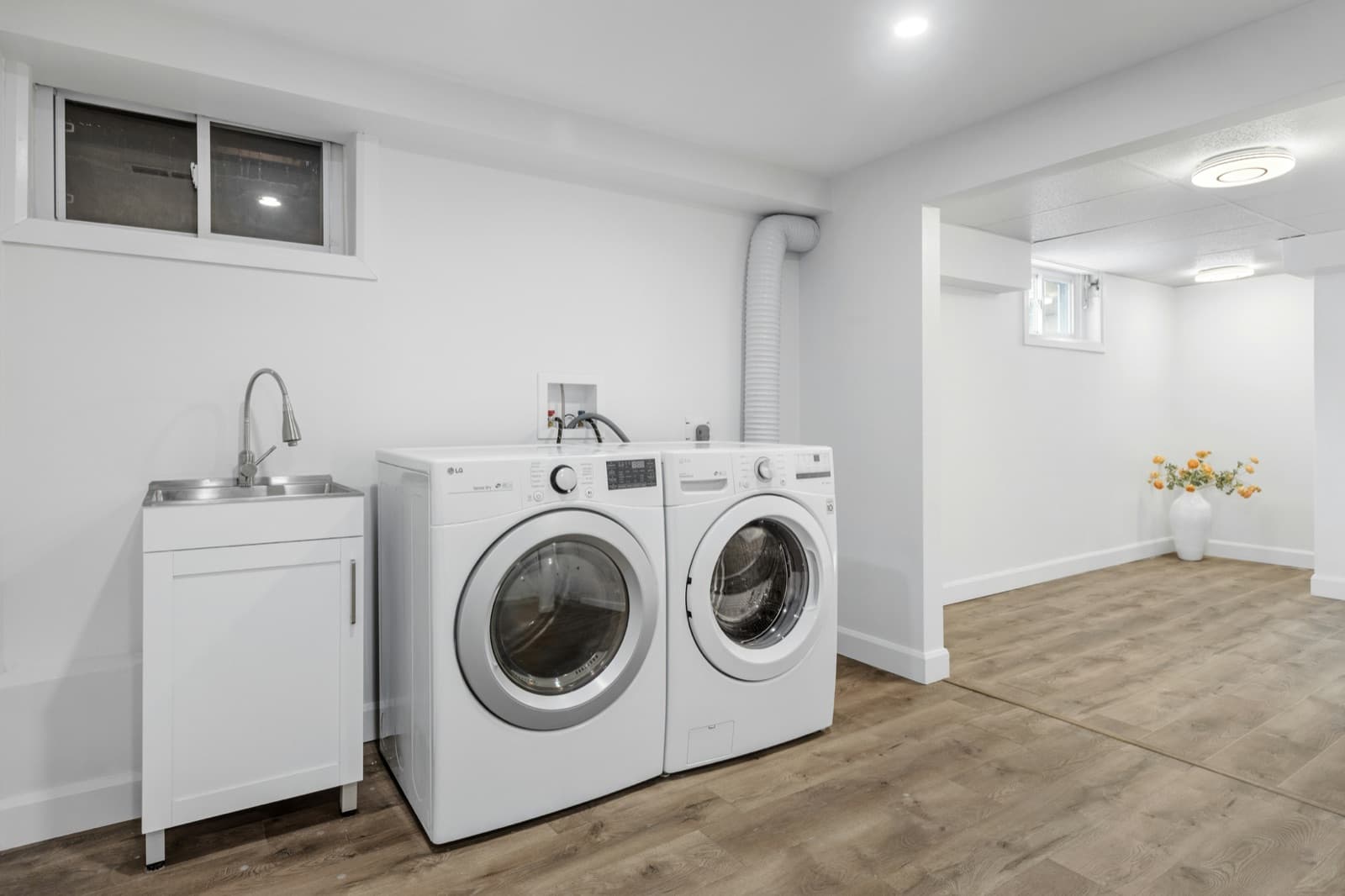
Closets, cabinets, the pantry and the laundry area are checked carefully, including behind stored items and on the underside of shelves. Furniture backs and the undersides of mattresses are common growth surfaces in closed-up homes.
HVAC system
The air handler closet, supply plenum, return and visible ductwork are inspected for sweating, insulation gaps and growth. The condensate drain line is checked for clogs, which are common after months of light use.
Sampling and lab analysis
Spore trap air samples from the main living area and any suspect rooms are compared with an outdoor control. Tape or swab samples confirm visible growth. Everything is analyzed by an independent accredited laboratory under chain of custody.
Coordinating from out of state
Many of our Villages clients are in Michigan, Ohio, New York or Ontario when they first notice a problem, usually because a neighbor or home watch service reports an odor. The process works like this:
- Book by phone or online and arrange access through a neighbor, family member, home watch provider or a lockbox.
- The assessor completes the inspection and samples are sent to the lab.
- Results post to the UES Client Portal, including photos, moisture maps, lab data and a digital remediation protocol if needed.
- A phone review walks you through the findings and your options.
- If remediation is needed, the portal provides a list of vetted remediators and the Remediation Tracker so you can follow progress without being on site.
- Post-remediation verification confirms the work is complete before you move furniture back and settle in.
UES is minutes from The Villages, with discreet scheduling for owners and their families. We assess, test and diagnose only. Because we never perform remediation or accept referral fees from contractors, the protocol you receive reflects what the home needs, which is especially important when you are approving work from a thousand miles away.
Common findings in Villages homes
| Location | Finding | Usual cause |
|---|---|---|
| Master closet | Fine growth on clothing, shoes, drywall | Sustained humidity above 60 percent |
| Lanai shared wall | Staining, soft drywall at base | Unconditioned enclosure, condensation |
| Air handler closet | Growth on plenum insulation and drywall | Supply plenum sweating |
| Golf cart garage | Growth on house-side wall or water heater base | Humid garage, leak, or both |
| Ceiling near vents | Dark halo | Duct boot condensation |
| Kitchen or bath cabinets | Swollen floor, dark staining | Slow supply line drip |
Preventing the problem next season
- Set the thermostat no higher than the mid-70s, or use a humidity-based setting that runs the AC when humidity exceeds a set point.
- Consider a whole-house or portable dehumidifier with a continuous drain for homes closed longer than a month.
- Leave closet and cabinet doors open and pull furniture a few inches from exterior walls.
- Shut off the water supply at the main valve and turn off the water heater, or at minimum close supply valves at toilets and the washing machine.
- Have someone walk the home every two weeks, open doors, check for odors and look at ceilings and around registers.
- Schedule a check of the roof, window seals and the AC condensate line before you leave each spring.
When to call UES
If your Villages home greeted you with a musty odor, if a neighbor reported a smell or leak while you were away, or if you want a baseline assessment before closing up for the summer, a comprehensive mold assessment gives you documented answers. When the issue is clearly a leak, a water intrusion and damage assessment focuses on the water path. If the air simply does not feel right and nothing is visible, indoor air quality and allergen testing measures what is actually there. Book an assessment online or call (407) 438-4684, and visit our Villages service area page for more on how we serve Lady Lake, Wildwood, Summerfield and the surrounding communities.
Related reading
Frequently asked questions
Can UES inspect my Villages home while I am still up north?
Yes. Many of our Villages clients coordinate the visit through a neighbor, a home watch service or a family member who provides access. Results, photos and the written protocol are posted to the UES Client Portal, and we review findings with you by phone so you can make decisions before you return.
What thermostat setting prevents mold in a closed-up Villages home?
Keeping the thermostat no higher than the mid-70s, or using a humidity-control setting if your thermostat has one, generally keeps indoor humidity in the safe range. Settings in the 80s let humidity climb above 60 percent for months, which is the most common cause of the musty odor residents find when they return.
Does a mold inspection include the golf cart garage and lanai?
It should. Golf cart garages and enclosed lanais are unconditioned or lightly conditioned spaces that share walls with living areas. We check them for humidity, condensation and growth and measure moisture in the shared walls, because problems there often migrate indoors.
Worried about what you just read?
An independent UES assessment tells you exactly what is going on, what caused it and what to do next. Book online or call.