Limited and full mold assessments answer different questions. Learn what each includes, when a Florida homeowner needs which and how the choice affects your results.
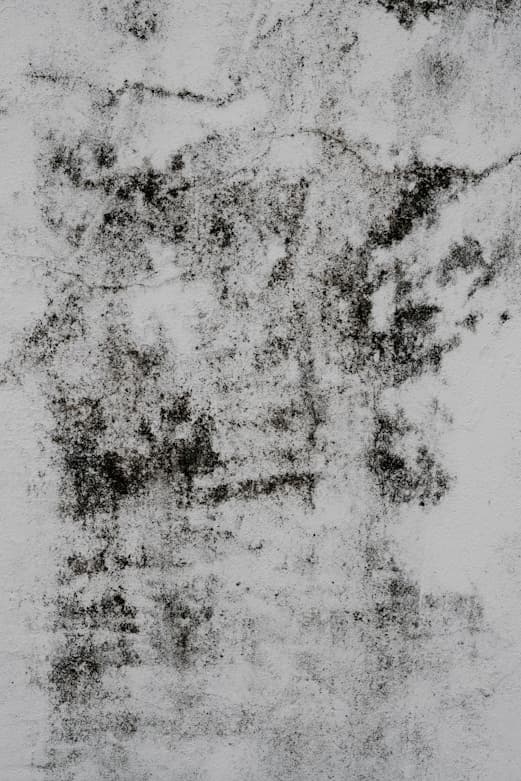
A homeowner in Ocala sees a small dark ring around a bathroom exhaust fan and wants to know if it is mold. A homeowner in Winter Park smells something musty every evening and cannot find it anywhere. Both call for an assessment, but not the same one. Choosing between a limited and a full assessment is about matching the scope of the investigation to the size of the question.
The short answer
A limited mold assessment targets a specific area or question and includes a focused visual inspection, moisture readings in that area and a small number of samples. A full (comprehensive) assessment evaluates the entire property, maps moisture throughout, inspects the HVAC system, samples based on the findings and delivers a complete report with a remediation protocol if growth is confirmed. Choose limited when you know exactly where the problem is and the rest of the home has no symptoms. Choose full when the source is unknown, water may have traveled, or the results will be used for a transaction, claim or health concern.
What a limited assessment includes
A limited assessment is a focused investigation. Typically it covers:
- Visual inspection of the specified area and immediately adjacent surfaces
- Moisture readings and thermal imaging of the target area
- A small sampling plan: usually a surface sample of visible growth, an air sample in the room and an outdoor control
- A results letter interpreting the findings for that area
It is appropriate for questions like:
- Is this stain mold or something else?
- Is the wall behind this stain wet?
- Did the small leak under this sink cause growth?
- Has this one area been adequately cleaned?
What it does not do is look for problems you have not already found. If the stain in the bathroom is a symptom of a shower pan leak that has also soaked the bedroom closet wall on the other side, a limited assessment of the bathroom may not catch it unless the assessor extends the moisture survey.
What a full assessment includes
A full assessment answers the question "what is the condition of this property?" The UES comprehensive mold assessment includes:
- Interview and history review covering leaks, storms, repairs, odors and symptoms
- Forensic visual inspection of the entire interior and exterior, including attic and mechanical spaces where accessible
- Moisture source detection throughout the home using thermal imaging and pin and pinless moisture meters, documented on a room-by-room moisture map
- HVAC inspection of the air handler, coil area, plenum and registers
- A sampling plan designed from the findings, including air samples in suspect and control rooms, an outdoor control, surface samples of any visible growth and wall cavity samples where moisture readings warrant
- Chain of custody to an independent accredited laboratory
- A complete report with photographs, thermal images, moisture data, lab results and interpretation
- A remediation protocol if growth is confirmed, with scope, containment level, cleaning methods and clearance criteria
- Delivery in the UES Client Portal with interactive findings, the digital protocol, a vetted remediator list and the Remediation Tracker
A full assessment is designed to find what you did not know about.
Side by side
| Element | Limited | Full |
|---|---|---|
| Area covered | One room or defined area | Entire property |
| Moisture mapping | Target area only | Whole home, referenced to dry baseline |
| HVAC inspection | Not usually | Yes |
| Sampling | Minimal, fixed | Designed from findings |
| Wall cavity sampling | Rarely | When moisture indicates |
| Report | Results letter | Full report with photos, maps and lab data |
| Remediation protocol | Usually not | Yes, when growth is confirmed |
| Suitable for real estate or insurance | Rarely | Yes |
| Finds unknown problems | No | Yes |
How to decide
Choose a limited assessment when
- You can see the issue and it is confined to one spot
- You know the cause (a recent overflow, a known small leak now repaired)
- The rest of the home has no odor, no staining and no symptoms
- You need a quick answer to a yes-or-no question
- You are checking one area after a small cleanup
Choose a full assessment when
- There is a musty odor and you cannot find a source
- A water event occurred: roof leak, plumbing or slab leak, flooding, storm intrusion
- Staining or growth appears in more than one location
- Anyone in the home has symptoms that improve away from the house (and talk with your physician about those)
- You are buying, selling or leasing the property
- An insurance claim is involved
- The home was vacant or closed up for a season, as many seasonal residences are
- A contractor has told you that you need remediation and you want an independent opinion
- A prior remediation was done without a protocol and you want to know where things stand
A middle path
Sometimes a limited assessment is the right first step with a clear agreement that it will expand if the evidence warrants. An assessor who finds moisture readings extending beyond the target area, or lab results pointing to an indoor source elsewhere, should say so and recommend widening the scope. If your assessor does not offer that path, ask for it.
Why the choice matters for results
The most common frustration homeowners describe is a limited result that did not resolve the question. A single air sample in a bedroom comes back slightly elevated, there is no moisture data from the rest of the house, and nobody knows what it means. A full assessment avoids this by giving every sample context: where the moisture is, what the control rooms look like and what the outdoor air contained that day.
The protocol is the other reason. If remediation is going to follow, a limited results letter does not give a contractor a scope to bid on or an assessor clearance criteria to verify against. A full assessment produces both.
Florida situations that tip toward full
Central Florida construction and climate create pathways that make a problem in one place a problem in several:
- Block walls with furring strips let moisture migrate laterally behind drywall.
- Slab foundations wick water across rooms before it shows anywhere.
- Year-round air conditioning moves spores from a source room throughout the home.
- Attic duct runs sweat and drip onto ceilings far from the air handler.
- Storm-driven rain enters at windows and stucco cracks and emerges elsewhere.
Each of these is a reason a stain in one room may not be a one-room problem. A water intrusion and damage assessment is often paired with the full assessment after a storm or leak for this reason.
Independence applies to both
Whichever scope you choose, the assessor should have no stake in the outcome. Florida licenses mold assessors and remediators separately through the DBPR and keeps the roles apart. UES performs assessment and testing only, never remediation, and does not accept referral fees. A limited assessment that concludes "this is a small cleaning issue, no remediation needed" is a result we are happy to deliver, because we gain nothing from the alternative.
When to call UES
Describe your situation and we will tell you honestly whether a limited or full assessment fits, and why. UES serves Orlando, Leesburg, The Villages, Ocala and all of Florida. Book an assessment online or call (407) 438-4684, Monday through Friday, 9:00 AM to 5:30 PM. More questions are answered on our FAQ page.
Related reading
Frequently asked questions
What is a limited mold assessment?
A limited assessment focuses on a defined area or a specific question, such as whether a stain in one bathroom is mold and whether the surrounding wall is wet. It includes a visual inspection of that area, targeted moisture readings and a small number of samples. It does not evaluate the rest of the home and is not designed to find problems you have not already noticed.
When is a full mold assessment necessary?
When the question is bigger than one spot: a musty odor with no visible source, a water event that may have traveled, symptoms in the household, a real estate transaction, an insurance claim, or a home that has been closed up for a season. A full assessment inspects the whole property, maps moisture throughout, samples according to the findings and produces a protocol if growth is confirmed.
Can a limited assessment be upgraded if it finds something?
Yes, and a good assessor will recommend it when the limited findings point to a larger issue. If moisture readings extend beyond the target area or the lab results suggest an indoor source elsewhere, expanding to a full assessment is the right move. Starting limited is reasonable for a narrow question as long as you are willing to widen the scope when the evidence calls for it.
Worried about what you just read?
An independent UES assessment tells you exactly what is going on, what caused it and what to do next. Book online or call.